All products are independently selected by our editors. If you buy something, we may earn an affiliate commission. Learn More >
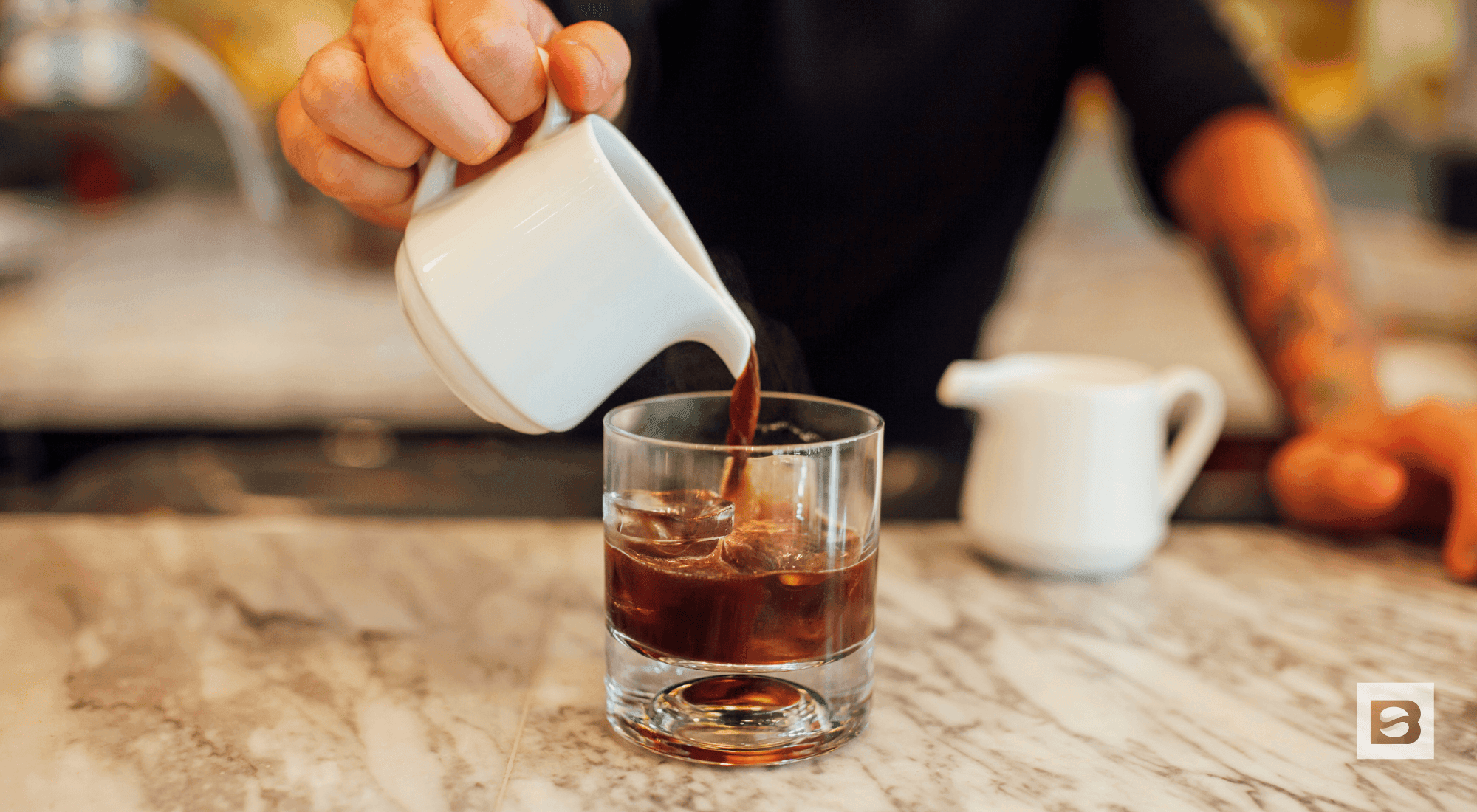
Cold brew has gone from a summer trend to a year-round staple. More people are making it at home because it’s smoother than hot coffee and far cheaper than buying it at a café.
To get the best results, you’ll need more than the right beans. The key is a burr coffee grinder made for cold brew, giving you coarse, consistent grounds that brew clean and taste rich.
In this guide, I’ll cover what makes a grinder good for cold brew, the features worth paying attention to, and my top picks for the best coffee grinders in 2026.
Why the Right Grinder Matters for Cold Brew
Cold brew is one of the simplest coffee drinks to make, but it can quickly go wrong if your grind isn’t right.
The grind size controls the flavor, smoothness, and clarity of your final brew.
Cold-steeped coffee relies on a coarse grind to keep the taste smooth and the filtering process clean. A grinder that produces uneven grounds with lots of fine particles will leave you with a cloudy, harsh drink.
This is why burr grinders are so important. Unlike blade grinders that chop beans into random sizes, burr grinders crush beans evenly, giving you consistent flavor and better results every time.
What to Look for in a Cold Brew Coffee Grinder
Not every grinder handles cold brewed coffee well. Here are the features that make the biggest difference:
- Coarse grind range: Look for plenty of coarse settings so you can fine-tune flavor and extraction.
- Hopper size: Bigger is better if you make large batches. Cold brew recipes use a lot of beans.
- Heat and static control: A good burr grinder runs cool and minimizes static, so you keep flavors intact and mess to a minimum.
- Manual vs electric: Manual grinders are affordable and portable, but take more effort. Electric grinders are faster and easier for frequent brewing. (I’ll compare these two options in more detail below.)
Best Coffee Grinder for Cold Brew in 2026
There are plenty of grinders out there, but not all can handle the coarse, consistent grind that cold-steeped coffee demands.
Here’s a quick side-by-side look at my top picks for 2026 before we dive into the details.
Cold Brew Coffee Grinder Comparison Table
| Grinder | Type | Grind Settings | Hopper Capacity | Best For | Price Range |
|---|---|---|---|---|---|
| Baratza Virtuoso+ | Electric Conical Burr | 40 | 8 oz | Reliable coarse grind, everyday cold brew | $$$ |
| MHW-3BOMBER R3 | Manual Conical Burr | Stepless | ~30–35 g | Specialty cold brew lovers, compact build | $$ |
| Fellow Opus Ode V2 | Electric Conical Burr | 41 | 10 oz | All-around brewing incl. cold brew, sleek design | $$$ |
| 1Zpresso J-Ultra | Manual Conical Burr | 40+ clicks | ~35–40 g | Precision manual grinding, versatile brewing | $$ |
| OXO Brew Conical Burr Grinder | Electric Conical Burr | 38 | 16 oz | Daily use, easy grind size dial | $$–$$$ |
| Cuisinart DBM-8 | Electric Burr | 18 | 8 oz | Budget buyers, simple brewing | $ |
| Hario Skerton Pro | Manual Ceramic Burr | Stepless | ~100 g | Travel, camping, budget-friendly option | $ |
Baratza Virtuoso+
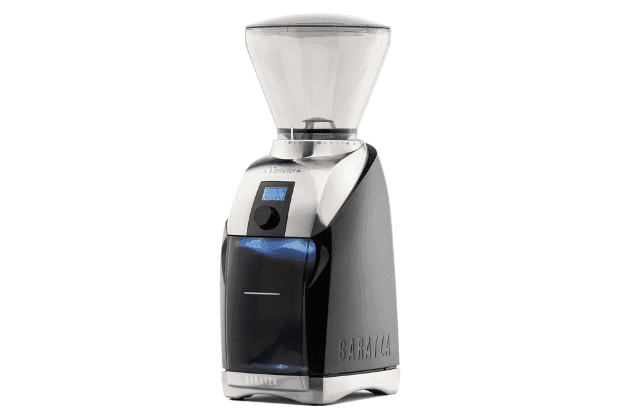
The Virtuoso+ has been a favorite among home brewers for years, and it’s still one of the best grinders for cold brew in 2026, often compared to the Baratza Encore.
With 40 grind settings, you’ll have no problem dialing in the perfect coarse grind for a smooth and balanced cold brew.
Its DC motor keeps the burrs spinning at a low RPM, which reduces heat and preserves flavor. The grind consistency is excellent, and cleanup is straightforward, making it a reliable choice if you brew specialty coffee often.
What I Love
- Consistent coarse grind, ideal for this stlye of coffee.
- Sturdy, commercial-grade components.
- Easy to clean and maintain.
Take Note
- Pricier than entry-level grinders.
- Bulkier than some newer designs.
MHW-3BOMBER R3
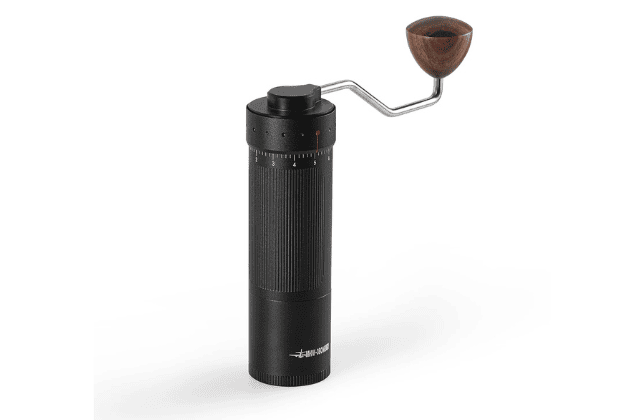
This compact manual grinder has quickly built a loyal following among cold brew fans. The stepless grind adjustment gives you plenty of control, and its conical burrs deliver a uniform coarse grind that’s perfect for long steep times.
It’s lightweight but sturdy, with a smooth grinding action that doesn’t feel like a workout. The R3 is ideal if you want specialty-level results without investing in a big electric grinder.
What I Love
- Stepless adjustment for precision.
- Compact and portable design.
- Smooth and efficient hand grinding.
Take Note
- Smaller capacity, best for single batches.
- Takes more effort than electric grinders.
Fellow Opus Ode V2
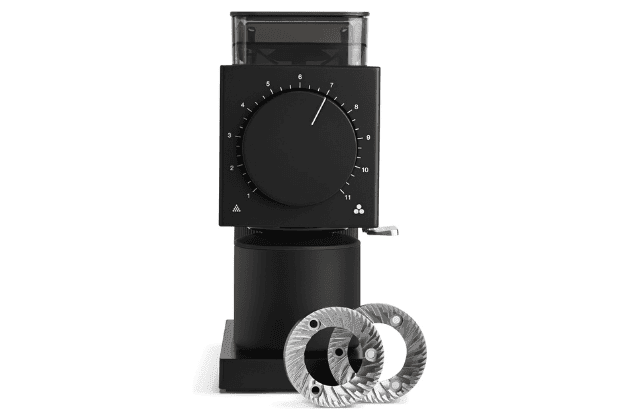
Fellow redesigned the Ode grinder with the V2, and the improvements are clear. With 41 grind settings and upgraded burrs, it now covers everything from espresso to cold brew.
Its sleek design looks at home on any countertop, and the magnetic catch bin keeps things neat.
For cold steep coffee lovers, the coarse grind is both consistent and easy to replicate. If you want a grinder that’s modern, versatile, and built to last, the Ode V2 is a strong contender.
What I Love
- Stylish design with a compact footprint.
- Consistent grind across settings.
- Upgraded burrs handle coarse grinds better than V1.
Take Note
- Higher price point.
- Limited capacity compared to larger grinders.
1Zpresso J-Ultra
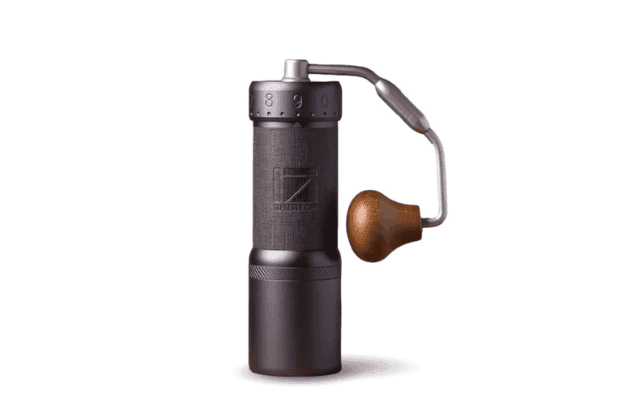
If you prefer a hand grinder but want precision and control, the 1Zpresso J-Ultra is tough to beat. With over 40 click settings, you can fine-tune your grind size for cold brew or switch to finer grinds when you feel like making espresso.
The build quality is excellent, and the grinding action feels smooth thanks to the sturdy handle and bearings. It’s a great option if you want a reliable manual grinder that can do it all.
What I Love
- Precise grind adjustments with over 40 clicks.
- Durable build quality.
- Versatile for multiple brew methods.
Take Note
- Heavier and bulkier than other hand grinders.
- Smaller capacity means frequent refills.
OXO Brew Conical Burr Grinder
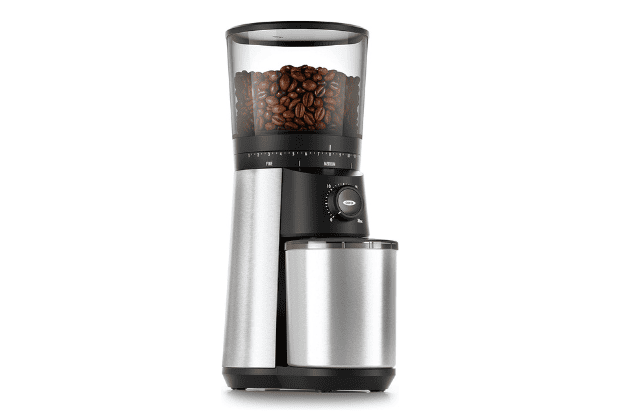
OXO’s grinder is popular with beginners because it’s easy to use and doesn’t overwhelm you with too many options. It offers 38 grind settings, more than enough for cold brew, and the large hopper holds up to 16 ounces of beans.
It’s not the most advanced grinder on this list, but for everyday use, it’s dependable and delivers a consistent coarse grind without fuss.
What I Love
- Simple to use, beginner-friendly design.
- Large hopper capacity.
- Affordable for an electric burr grinder.
Take Note
- Harder to deep clean.
- Grind consistency drops at very coarse settings.
Cuisinart DBM-8
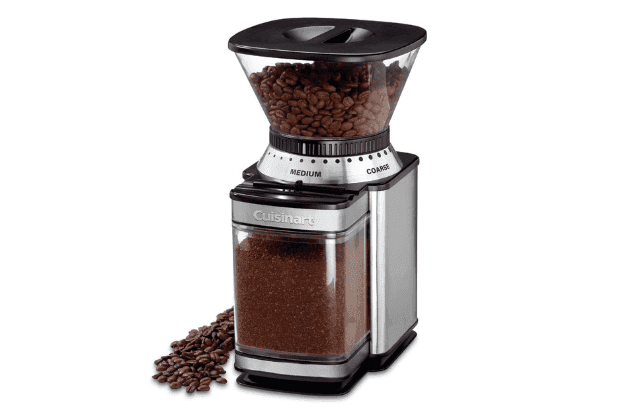
The DBM-8 has been a budget favorite for years, and it’s still one of the cheapest ways to get started with cold brew. It offers 18 grind settings, including coarse options suitable for immersion brewing.
It’s far from perfect – grind consistency isn’t as good as the more expensive models, and it produces more fines. But if you’re new to brewing this style of coffee and don’t want to spend much, this grinder gets the job done.
What I Love
- Extremely affordable.
- Easy to use, straightforward controls.
- Decent capacity for batch brewing.
Take Note
- Inconsistent grind, especially at coarse settings.
- Louder than most other grinders.
Hario Skerton Pro
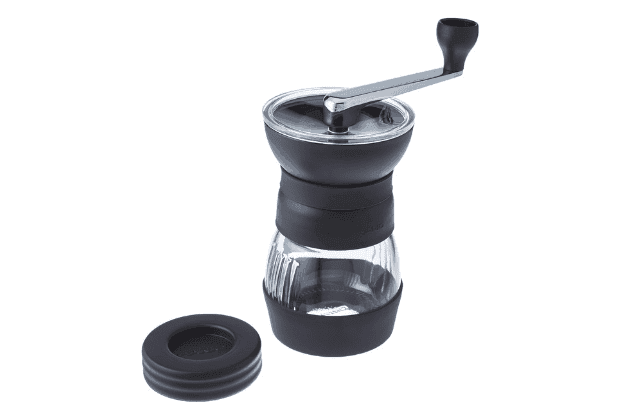
The Skerton Pro is a classic manual grinder that remains popular for its low price and portability. The ceramic burrs handle coarse grinds well enough, and the rubber base keeps it steady while you grind.
It’s not as consistent as higher-end hand grinders like the 1Zpresso JX-Pro, but it’s a great budget pick or travel companion. If you want a simple grinder that won’t break the bank, the Skerton Pro still deserves a spot on the list.
What I Love
- Affordable entry-level manual grinder.
- Portable and lightweight.
- Works with standard mason jars for storage.
Take Note
- Inconsistent at coarser grind settings.
- Requires more effort for large batches.
Do you want to know more about this particular manual coffee grinder? Check out my full Hario Skerton Pro Review.
Manual vs Electric: Which Works Better for Cold Brew?
Both manual and electric grinders can work well for cold brew – the right choice comes down to your brewing habits.
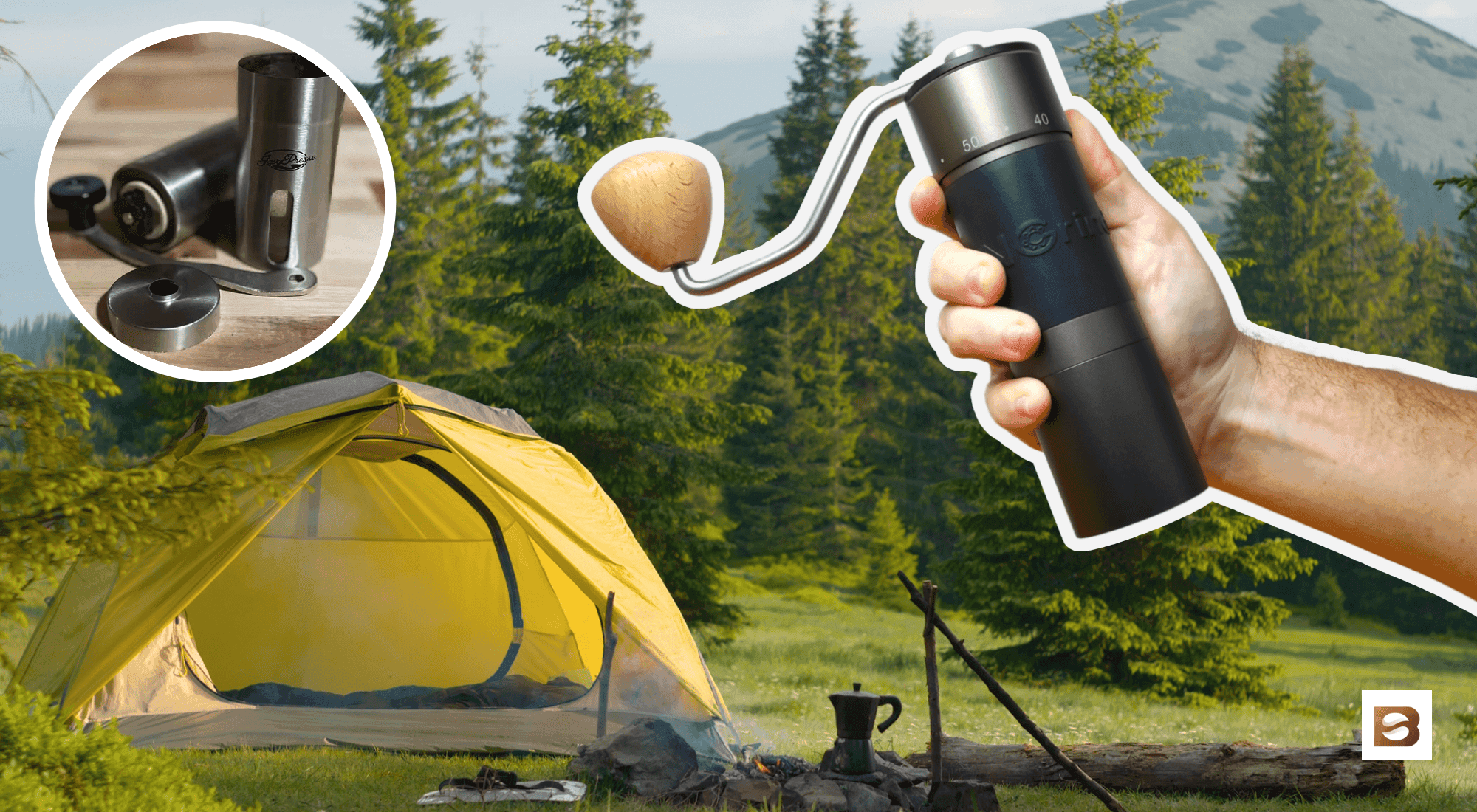
Manual grinders are quiet, portable, and cheaper. Since cold brewed coffee uses a coarse grind, you won’t wear yourself out turning the handle.
They’re perfect for small batches or travel, but the limited capacity makes them less practical if you brew big jugs of cold coffee.
Electric grinders are fast, consistent, and ideal for frequent brewing. They handle large amounts of beans without breaking a sweat, and most have hoppers big enough for cold brew recipes.
The trade-off is cost and counter space, but for regular iced coffee drinkers, the convenience is worth it.
The Best Grind Size for Cold Brew Coffee
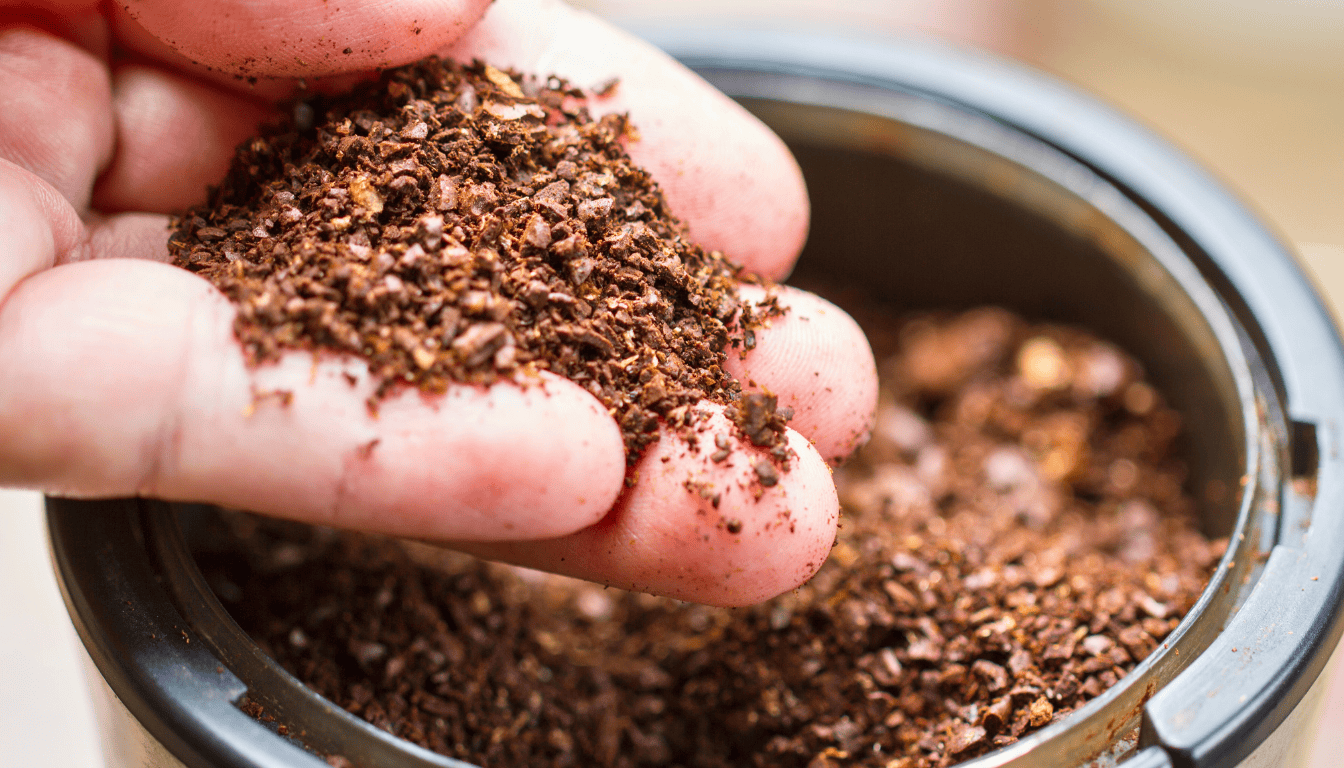
Getting the grind size right is the difference between a crisp, refreshing cold brew and a bitter, murky mess. This style of slow infused coffee works best with a coarse grind that looks a bit like raw sugar or sea salt.
A coarse grind slows extraction during the long steep, pulling out the smooth, chocolatey notes without overwhelming the cup with bitterness.
It also makes filtering easier, so you won’t end up with cloudy coffee or grit at the bottom of your glass.
Go too fine and you’ll get a harsh, over-extracted brew. Medium grinds fall somewhere in between – drinkable, but not as clean.
If you want to experiment, start with a coarse grind and adjust from there. Shorten the steep time if you like a lighter taste, or let it go the full 12–18 hours for a stronger, bolder batches of brewed iced coffee.


Final Thoughts
Cold brew doesn’t have to be complicated. With the right grinder, you’ll get a smoother, cleaner coffee that’s easy to filter and full of flavor.
Out of all the grinders on this list, two stand out as my personal favorites. The MHW-3BOMBER R3 is a compact manual grinder that delivers exceptional grind quality without taking up space or costing a fortune. It’s my go-to when I want precision and portability in one package.
For an everyday electric option, I lean toward the Baratza Virtuoso+. It’s consistent, reliable, and built to last, making it perfect for anyone who brews cold coffee regularly at home.
Whichever grinder you choose, the key is to go for coarse, even grounds.
Get that right, and your cold brew will taste better than anything you’ve picked up from a café.