All products are independently selected by our editors. If you buy something, we may earn an affiliate commission. Learn More >
Some people switch from coffee to matcha thinking they’re escaping caffeine.
Then the first cup kicks in and suddenly that calm green drink feels surprisingly energizing.
So what’s the truth here? Does matcha have caffeine, or is it just another tea myth floating around the internet?
Matcha may look like a good option compared to coffee, but that bright green powder has more going on under the surface than many people realize. The way matcha delivers energy is also very different from what you get from a typical cup of coffee.
Let’s take a closer look at how caffeine works in matcha, how much caffeine is actually in a cup, and why the experience often feels smoother than coffee.
So, Does Matcha Have Caffeine?
Yes, matcha has caffeine.
Matcha is a type of green tea made from finely ground green tea powder, and like all tea made from the Camellia sinensis tea plant, it naturally contains caffeine.
That means green tea, black tea, and matcha tea all contain caffeine in different amounts.
The big difference with matcha tea is how it’s prepared.
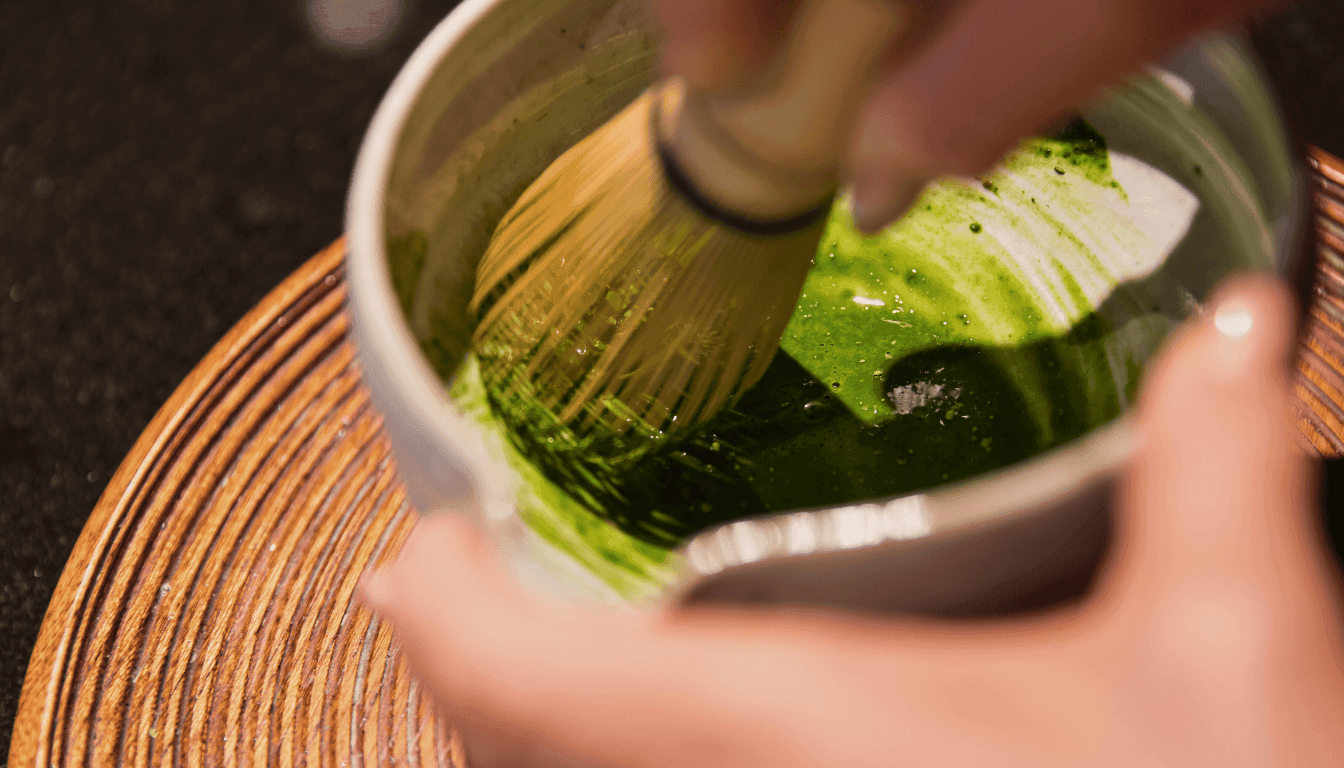
When you brew regular green tea, hot water extracts compounds from the tea leaf and the leaves are discarded. With matcha green tea powder, the entire tea leaf is ground into powder and whisked into water.
So when you drink matcha, you’re consuming the whole tea leaf.
Because of that, the amount of caffeine in matcha is usually higher than regular green tea. A typical cup of matcha tea contains around 40 to 70 milligrams of caffeine depending on the serving of matcha used.
That means matcha contains less caffeine than a cup of coffee, but still enough to provide a noticeable caffeine boost.
Why Matcha Has More Caffeine Than Regular Green Tea
Not all green tea is the same.
Matcha green tea is grown and processed differently from regular green tea, and those differences directly affect the caffeine levels found in matcha.
First, you consume the entire leaf.
With regular green tea, you steep the green tea leaf in water and discard it afterward. Only some of the compounds from the tea leaf end up in your cup.
Matcha green tea powder is whisked directly into water, so the entire leaf becomes part of the drink.
Second, matcha is grown under shade.
Matcha is a traditional Japanese green tea that is shaded for several weeks before harvest. Reducing sunlight forces the tea plant to produce more chlorophyll and amino acids in the leaves.
This process also leads to higher caffeine levels in the younger leaves used to make matcha powder.
Those leaves are then steamed, dried, and stone ground into a fine powdered green tea.
The result is a concentrated type of green tea that contains more flavor compounds, antioxidants, and caffeine than most regular green tea.
How Much Caffeine Is in Matcha?
The caffeine content in matcha depends mainly on how much matcha powder you use.
Most matcha powder contains roughly 19 to 44 mg of caffeine per gram. A typical serving of matcha uses about 2 grams of matcha powder, though some people use slightly more.
That means a cup of matcha tea usually contains somewhere between 40 and 70 milligrams of caffeine.
If you prepare a stronger cup using more powder, the caffeine levels can climb closer to 70 mg of caffeine or even higher.
Here’s a simple comparison of caffeine levels in common drinks.
| Tea vs Coffee Drinks | Typical Caffeine Per Cup |
|---|---|
| Matcha tea | 40 to 70 mg |
| Regular green tea | 25 to 40 mg |
| Black tea | 40 to 70 mg |
| Brewed coffee | 95 to 120 mg |
So matcha contains less caffeine than brewed coffee, but it usually contains more caffeine than regular green tea.
Matcha vs Coffee: Which Has More Caffeine?
Coffee usually contains more caffeine than matcha.
A standard cup of brewed coffee contains roughly 95 to 120 milligrams of caffeine, while a typical cup of matcha tea contains around 40 to 70 milligrams of caffeine.
But the interesting part of matcha vs coffee is not just the caffeine content.
It’s how the caffeine behaves in your body.
Matcha contains an amino acid called L-theanine, which naturally occurs in green tea leaves. L-theanine interacts with caffeine and slows its absorption into the bloodstream.
This combination of caffeine and L-theanine creates a steadier caffeine release.
Instead of the sharp spike and crash that some people associate with coffee, matcha often produces a smoother lift in energy levels that can last several hours.
That’s one reason matcha is known for delivering calm focus rather than jittery energy.
The Difference Between Matcha and Regular Green Tea Caffeine
Since matcha is technically a form of green tea, it’s worth comparing it directly with regular green tea.
A typical cup of regular green tea contains about 25 to 40 milligrams of caffeine.
A cup of matcha tea usually contains 40 to 70 milligrams of caffeine.
So matcha green tea often contains more caffeine than other types of green tea.
The main reason is that matcha is powdered green tea made from the whole tea leaf, while regular green tea only extracts some compounds during brewing.
You’re essentially drinking a more concentrated version of green tea.
That also means matcha contains higher levels of beneficial compounds such as antioxidants and amino acids found in the tea leaf.
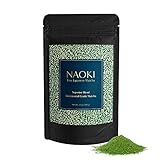

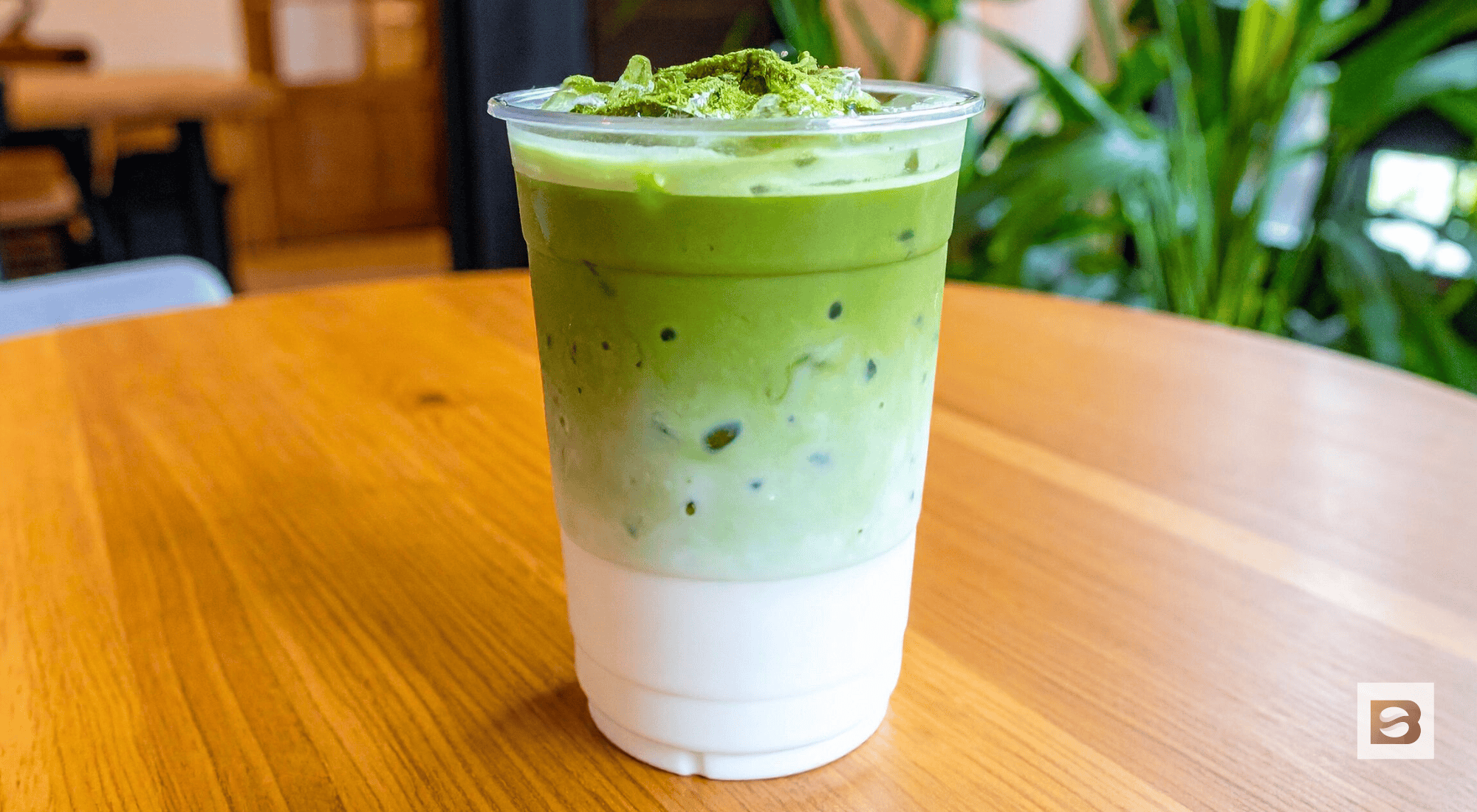
Does Matcha Latte Have Caffeine?
Yes, a matcha latte contains caffeine.
A matcha latte is made by mixing matcha green tea powder with milk instead of water. The caffeine in the drink comes from the matcha powder itself.
So if you’ve ever wondered, does the matcha latte have caffeine, the answer is definitely yes.
Most matcha lattes use around 2 to 3 grams of matcha powder. That means the caffeine content often falls somewhere between 50 and 100 milligrams of caffeine depending on the recipe.
The milk makes the drink creamy and smooth, but it does not remove the caffeine.
If you drink matcha lattes regularly, you’re still getting a noticeable caffeine boost.
Does Matcha From Starbucks Have Caffeine?
Yes, matcha from Starbucks does have caffeine.
However, Starbucks matcha drinks are slightly different from traditional matcha tea. The matcha used by Starbucks contains sugar blended into the matcha green tea powder.
The caffeine still comes from the green tea itself, but the powder is not pure matcha.
So if you’re asking does matcha from Starbucks have caffeine, the answer is yes. Even though the drink tastes sweeter, it still contains caffeine because the base ingredient is matcha green tea powder.
The caffeine levels may be slightly lower than a strong homemade cup of matcha, but the drink still contributes to your daily caffeine intake.
How Many Matcha Lattes Can I Have a Day?
Another question I hear quite often is how many matcha lattes can I have a day.
Most health guidelines suggest that healthy adults keep caffeine intake under about 400 milligrams of caffeine per day.
If a typical matcha latte contains around 60 to 80 milligrams of caffeine, many people could drink two or three matcha drinks during the day without exceeding that guideline.
Of course, caffeine tolerance varies.
Some people are sensitive to caffeine and feel the effects quickly, while others drink several cups of matcha tea without any problem.
If you’re also drinking coffee, black tea, or energy drinks during the day, it’s worth remembering that those drinks add to your total caffeine intake.
Moderation usually works best when it comes to enjoying and getting the most health benefits of matcha.
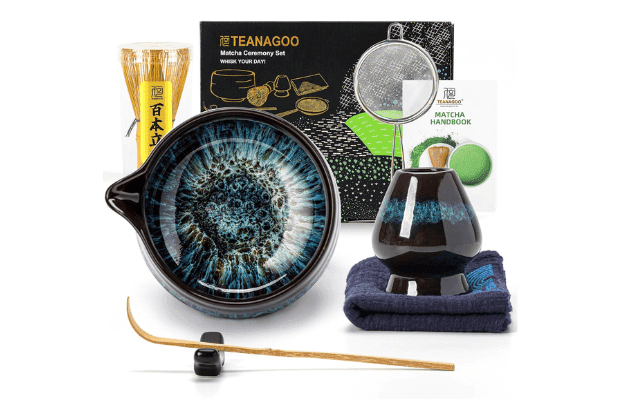
TEANAGOO 7 Pcs Matcha Whisk Set
Complete 7 piece matcha set with ceramic bowl, bamboo whisk, scoop, whisk holder, scoop stand, tea cloth, and powder sifter. Everything you need to make smooth, traditional matcha or matcha lattes at home.
Why Matcha Feels Different From Coffee
One reason matcha has become popular is the way it delivers energy.
Matcha contains both caffeine and L-theanine, a natural amino acid found in green tea. These two compounds work together in a unique way.
Caffeine stimulates alertness and improves focus. L-theanine promotes relaxation without making you sleepy.
Together they create a smoother caffeine experience.
Instead of the fast spike and caffeine crash sometimes associated with coffee, matcha often produces a gentler increase in alertness that lasts longer.
That balance is why many people enjoy drinking matcha during work or study sessions.
Final Thoughts
So, does matcha have caffeine?
Yes, matcha contains caffeine because it comes from the same tea plant used to make green tea and black tea. Since matcha is made from powdered green tea leaves, it often contains more caffeine than regular green tea.
A typical cup of matcha tea contains around 40 to 70 milligrams of caffeine, which places it somewhere between green tea and a cup of coffee in terms of strength.
But caffeine content is only part of the story.
Thanks to the natural combination of caffeine and L-theanine found in matcha green tea, the energy boost tends to feel smoother and more balanced than coffee.
For many people, matcha provides a comfortable middle ground between tea and coffee. It still contains caffeine, but the experience is often calmer and more steady throughout the day.