All products are independently selected by our editors. If you buy something, we may earn an affiliate commission. Learn More >
When you’re making espresso, a lot depends on how well you prep the coffee in your portafilter. Evenly distribute and compress the grounds, and you’ll set yourself up for a rich, balanced shot.
Get it wrong, and you’ll face channeling, sour flavors, and thin crema.
That’s why baristas and home coffee enthusiasts alike debate two key tools of espresso prep: the espresso leveler (or distribution tool) and the traditional tamper.
Both aim to improve extraction, but they do it in different ways. The question is, should you use one, the other, or both?
In this guide, I’ll explain what each tool does, when to use them, and how to get the best espresso extraction from your setup.
The Espresso Leveler (aka. Distribution Tool)
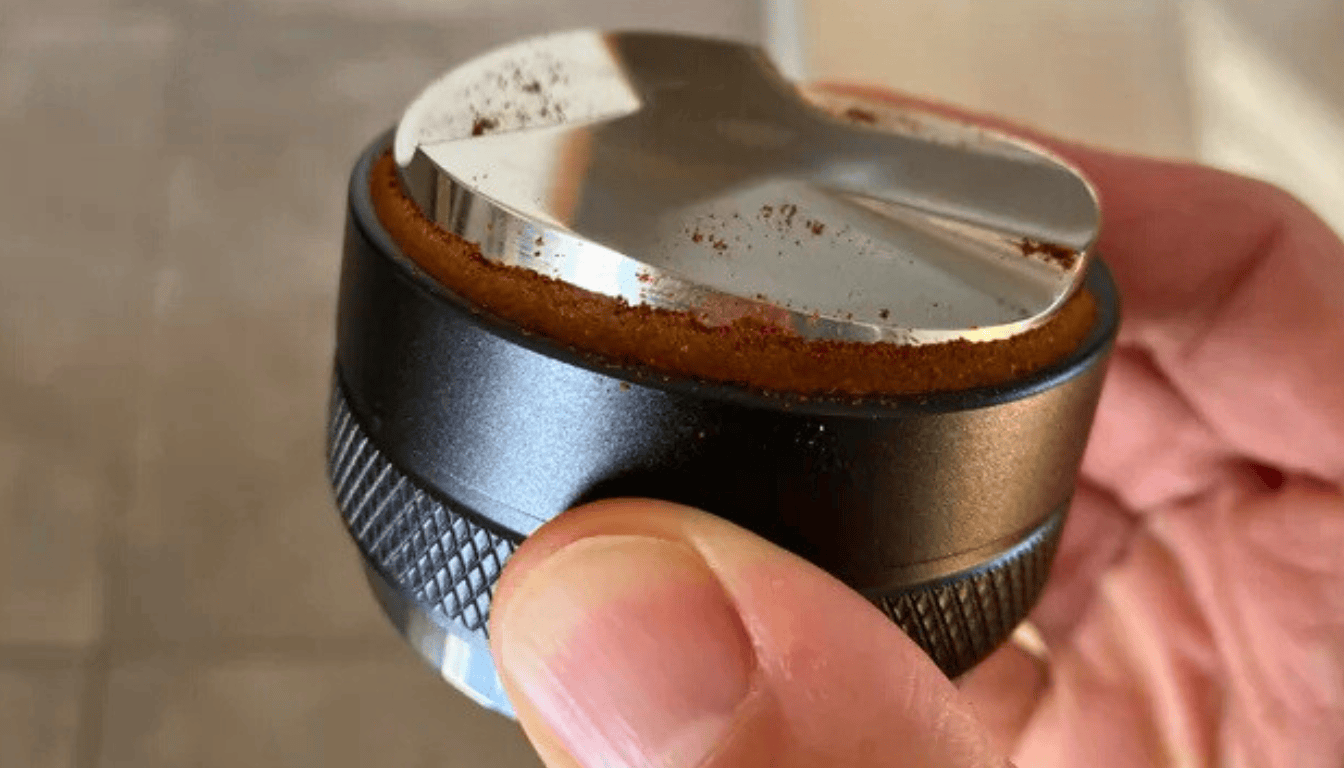
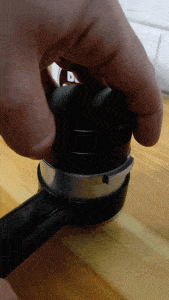
A coffee leveler, sometimes called a distribution tool, is designed to create an even bed of coffee before you tamp. By spinning it on top of your portafilter basket, the fins push the grounds into place and help remove clumps.
The result is a level surface with fewer pockets of high or low density.
If you’ve ever tapped the portafilter on the counter to settle the grounds, you’ve probably noticed it looks flat enough on top.
The problem is what’s happening underneath.
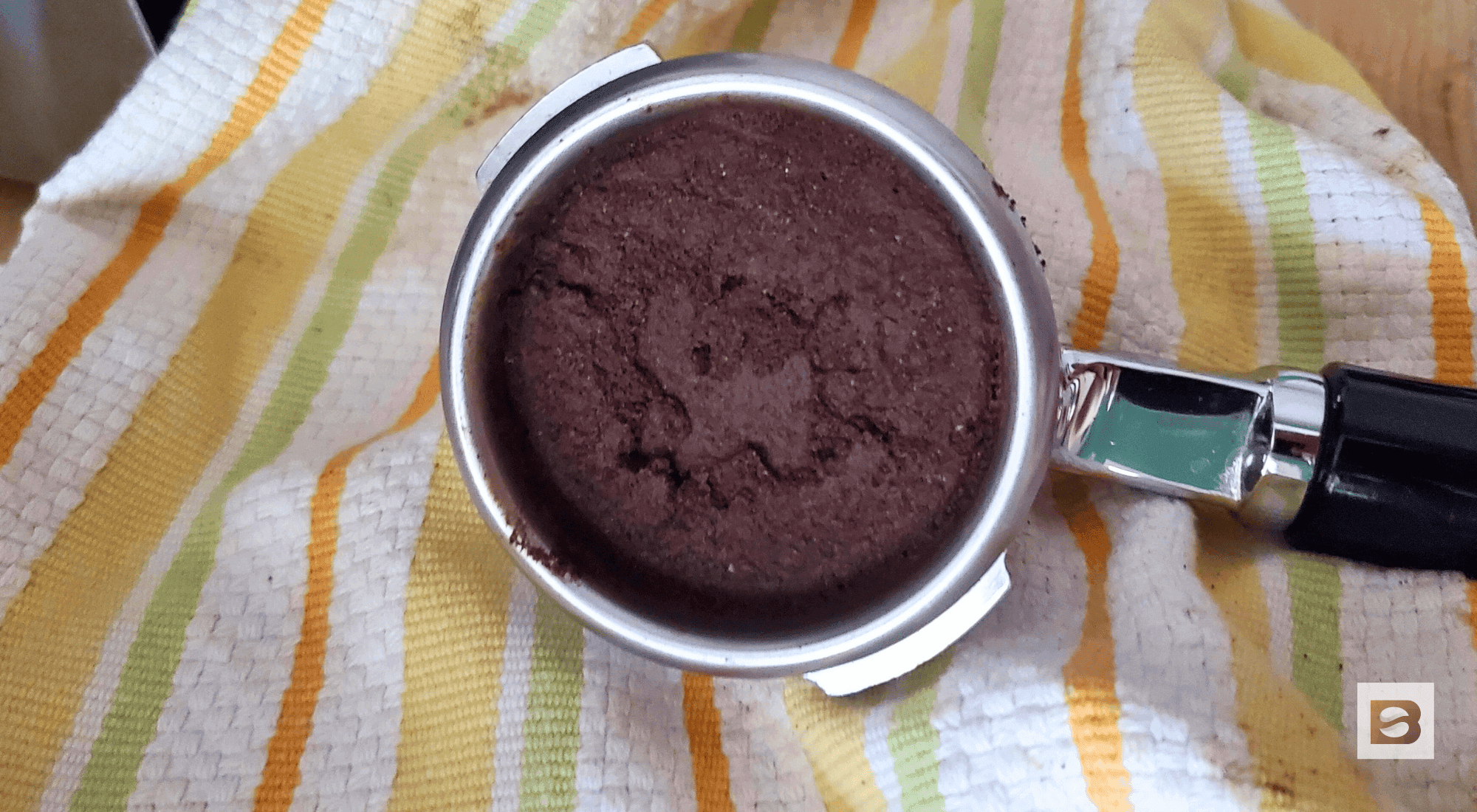
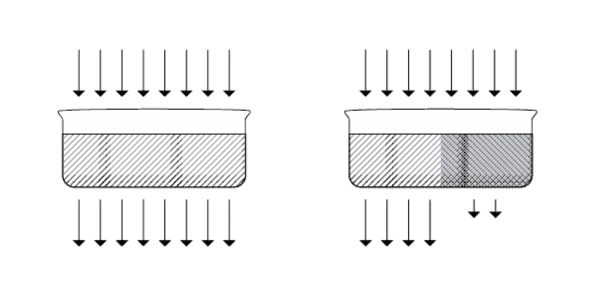
Without proper distribution, some areas of the puck end up more compressed than others. When you start brewing, water will always follow the path of least resistance, and that’s how channeling begins.
Even a small gap or uneven layer can throw off your espresso extraction.
Instead of a balanced, rich shot, you’ll get sections that are over-extracted and bitter, while others remain sour and under-extracted.
A leveler takes much of that human error out of the equation.
Modern espresso prep often pairs a leveler with a WDT tool (Weiss Distribution Technique).
The WDT breaks up clumps created by the grinder, and the leveler follows up to flatten the coffee bed.
Together, they give you a far more consistent puck than tamping alone.
The Traditional Tamper
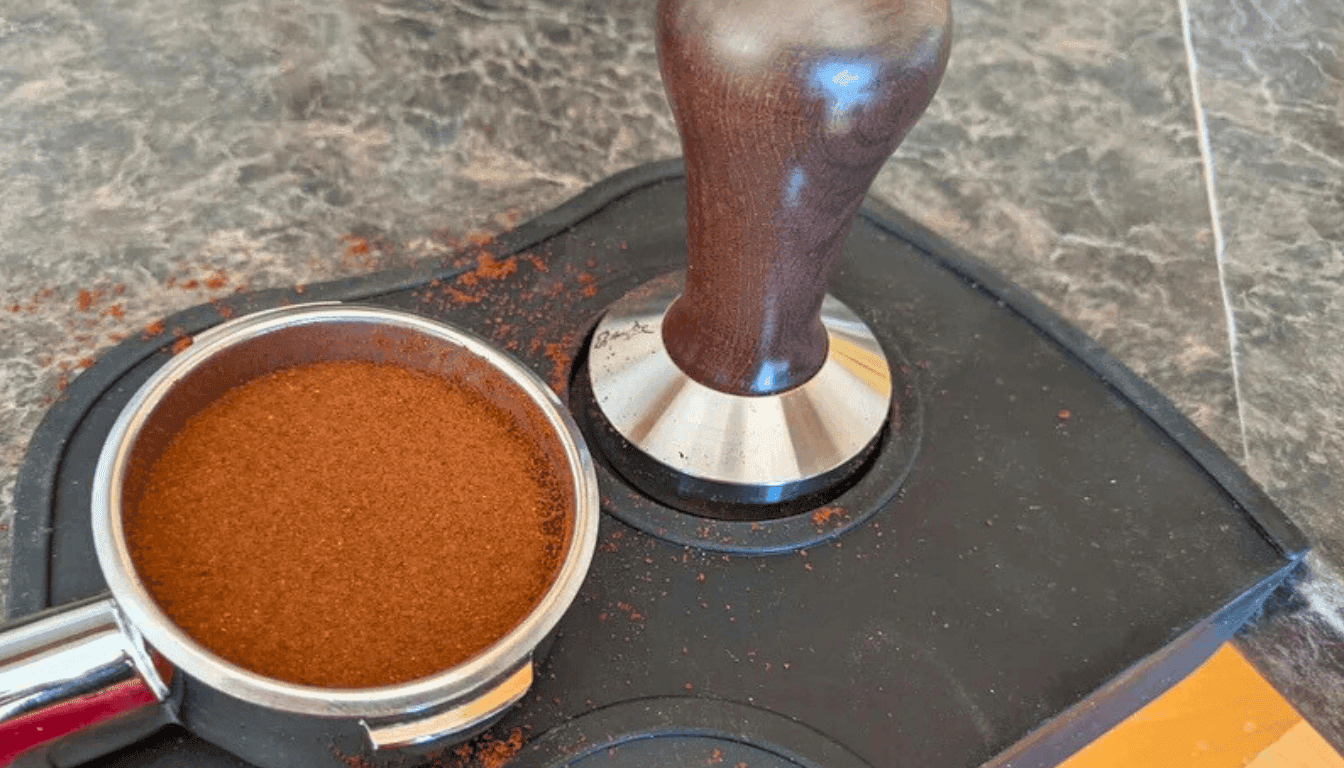
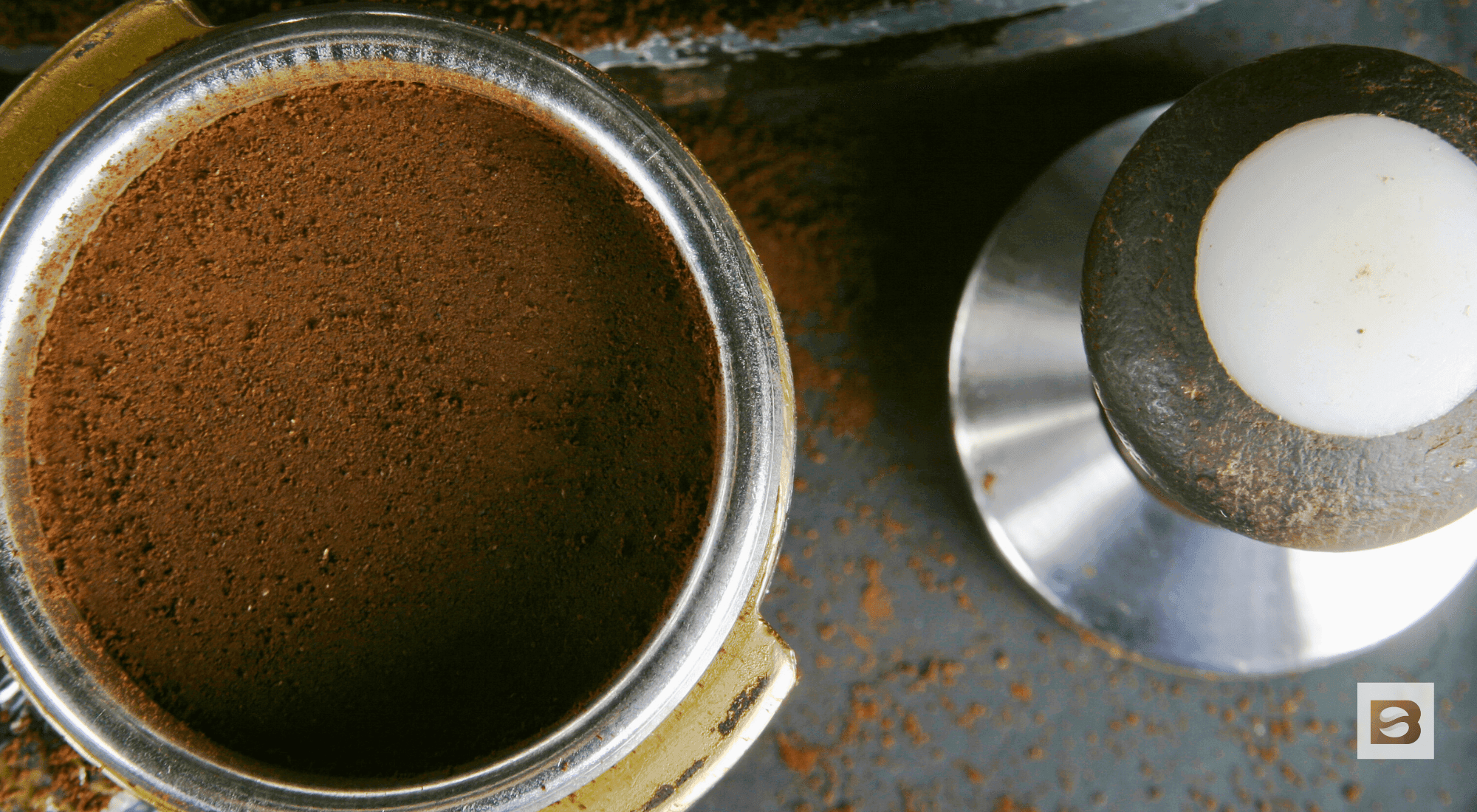
If the leveler distributes, the tamper compresses. A good espresso tamper takes that loose dose of ground coffee and turns it into a compact, even puck inside the portafilter basket.
When you tamp well, you create consistent resistance that forces the water to work harder, leading to a fuller extraction and that bold, syrupy espresso taste coffee lovers chase.
The challenge is consistency.
Even experienced baristas struggle to apply the same pressure and angle every time, especially during a busy rush. A slight tilt or uneven compression can undo your prep work and cause channeling.
That’s why tamping vs leveling has become such a hot debate in the world of coffee.
Tamping technique does matter, but maybe not as much as many think.
Studies and barista competitions have shown that perfectly level tamping is more important than hitting an exact 30 pounds of pressure.
As long as the coffee bed is even and compact, you’ll get a good espresso.

For home coffee enthusiasts, a palm tamper or an adjustable depth tamper can help remove the guesswork. Both are designed to sit flush with the top of the portafilter and ensure even pressure every shot.
Benefits of Coffee Leveling Tools
An espresso leveler isn’t meant to replace a tamper, it’s meant to make your espresso prep more consistent.
The biggest benefit is reducing human error, which means fewer wasted shots and more predictable results.
Here’s what a leveler brings to your espresso game:
- Even distribution – Flattens the coffee bed so every part of the puck has the same density.
- Reduced channeling – By evening out the grounds, water can’t just follow the path of least resistance.
- Clump-busting – When paired with a WDT tool, it breaks up grinder clumps and spreads grounds evenly.
- Consistency for everyone – Helpful in cafés where different baristas tamp with different techniques.
- Better flavor – Produces smoother crema and more balanced shots with fewer sour or bitter notes.
In practice, a leveler solves problems you can’t see on the surface. A tamper might smooth the top, but it won’t fix uneven density hiding underneath.
That hidden unevenness is what often leads to thin crema and poor extraction.
For busy cafés, a leveler ensures that every shot starts with an even bed, regardless of who’s behind the machine. At home, coffee enthusiasts notice the difference too.
A small tool like this can turn messy puck prep into a more reliable, great espresso experience.
Espresso Leveler or Tamper? Which Should You Use?
Now comes the big question: should you rely on a coffee leveler, stick with a traditional tamper, or use both?
Old-school baristas often prefer the classic tamper.
They value the skill of creating an even puck by hand, and for many, tamping is part of the craft of making coffee. On the other hand, newer baristas and home coffee enthusiasts lean toward the espresso leveler.
With a quick spin, it creates a uniform surface and takes the guesswork out of distribution.
The truth is, it’s not really a matter of leveler vs tamper. They do different jobs.
The leveler distributes and flattens the coffee bed, while the tamper compresses it to the right density. Together, they give you consistent pressure, better espresso extraction, and fewer wasted shots.
For cafés, this combination makes a lot of sense. Different baristas can produce consistent results without relying on identical tamping skills.
For home use, it comes down to how precise you want to be.
If you’re serious about improving your espresso game, using both a distribution tool and a tamper will help create a uniform surface and ensure even tamping every time.
Quick Comparison: Espresso Leveler vs Tamper
Sometimes it helps to see the differences laid out side by side. This table gives you a quick overview of what each tool does best, along with their pros and cons.
| Tool | Main Purpose | Pros | Cons | Best For |
|---|---|---|---|---|
| Espresso Leveler (Distribution Tool) | Evenly distribute grounds and create a level bed | Reduces human error, prevents channeling, consistent results, quick to use | Doesn’t compress coffee, usually best paired with a tamper | Busy cafés, beginners, home coffee enthusiasts who want consistency |
| Traditional Tamper | Compress and compact the coffee bed for proper resistance | Essential for espresso prep, creates even pressure, enhances extraction | Hard to stay consistent, angle and pressure vary between users | Skilled baristas, anyone dialing in precise espresso shots |
| Adjustable Leveler/Tamper Combo | Distributes and tamps in one step | Saves time, ensures consistent depth and level tamp | Less flexible if you want separate control over tamping | Home users and cafés that want repeatable results with less training |
The Best of Both Worlds
If you don’t want two separate tools in your coffee routine, there’s a simple solution: an adjustable leveler that doubles as a tamper – like this one.
These hybrid tools flatten the coffee bed, then tamp it down to a consistent depth in one motion.
By setting the depth of the leveler, you control how much the coffee is compressed once the tool reaches the top of the portafilter basket.
That means every shot is tamped perfectly level, with no guesswork. It’s especially handy if you’re dialing in new beans and want repeatable results.
I’ve been testing this style of leveler at home for months, and I was skeptical at first. I figured it was just a fancy way to make the puck look neat before tamping.
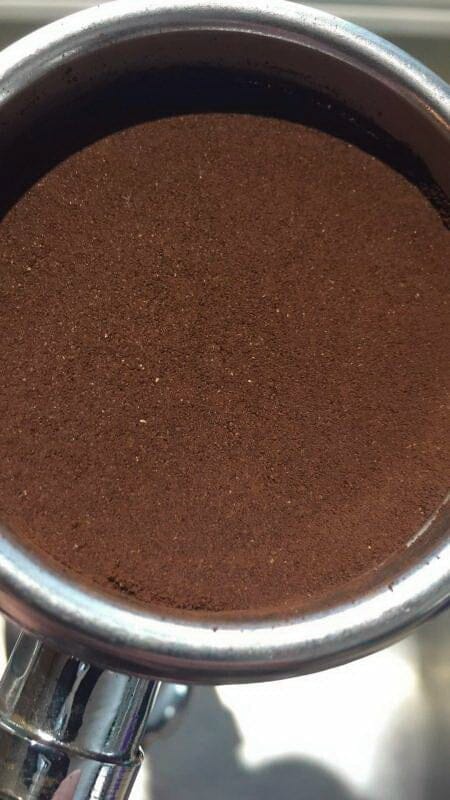
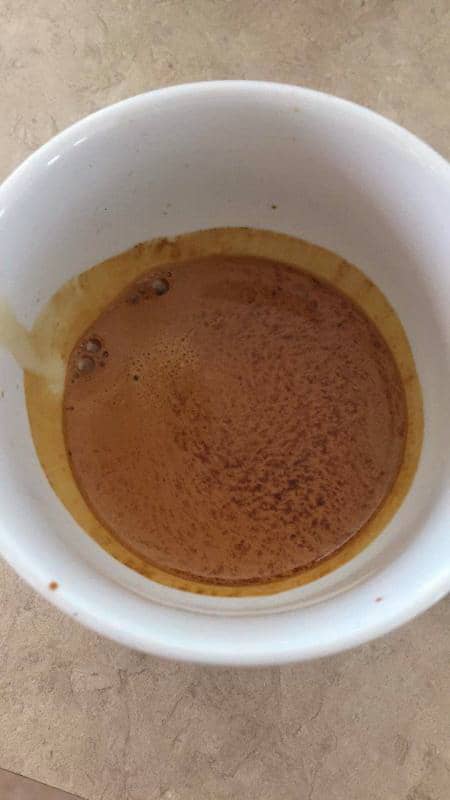
But after dozens of shots, I noticed clearer flavors, thicker crema, and fewer sour or bitter notes. In short, better espresso extraction without overthinking tamping pressure.
For home coffee enthusiasts, this kind of tool is a smart upgrade.
It saves time, removes human error, and keeps your espresso prep consistent every day. For cafés, it ensures that every barista – no matter their skill level – can deliver a uniform, reliable shot.

Final Thoughts
The espresso leveler and tamper aren’t rivals – they’re teammates. The leveler distributes the grounds evenly, and the tamper compresses them for consistent pressure.
Used together, they reduce channeling and make better espresso easier to achieve.
Whether you’re behind a busy bar or brewing at home, adding a leveler to your espresso prep can bring more consistency and flavor to every shot.