All products are independently selected by our editors. If you buy something, we may earn an affiliate commission. Learn More >
If you’ve ever wondered whether grinding your own beans is worth the effort, you’re not alone. I used to think pre-ground was the obvious choice – quick, easy, and good enough.
Then I tried freshly ground coffee, and the difference in taste and aroma was like night and day. Fresh ground unlocks flavors at their peak, while pre-ground often loses that spark before it reaches your cup.
That doesn’t mean pre-ground coffee is always bad.
The choice really comes down to freshness, convenience, and what you value most in your daily brew.
In this guide, we’ll look at what happens once coffee is ground, why fresh usually tastes better, and when pre-ground might still fit your routine.
The Freshness Countdown: What Happens After Coffee Is Ground
When coffee beans are whole, they’re like little capsules holding in flavor, aroma, and oils. The moment you grind them, that protective shell is gone, and the freshness clock starts ticking.

Three main things go to work against your coffee once it’s ground:
Oxidation
Air is the enemy of flavor. As soon as ground coffee meets oxygen, the delicate compounds inside start to break down. That’s why a bag of pre-ground coffee can taste flat or dull compared to beans you grind just before brewing.
Moisture
Coffee beans contain natural oils that carry much of the flavor you taste in the cup. Ground coffee has more surface area exposed, which means even the moisture in your kitchen air can start dissolving those oils. Over time, that leads to a brew that tastes weaker and less vibrant.
CO₂ Loss
Freshly roasted beans are full of carbon dioxide, which acts like a delivery system for aroma and flavor during brewing. The finer you grind coffee beans, the faster that CO₂ escapes.
If your coffee has been sitting around for days after grinding, you’ll miss out on much of the aroma that makes a fresh cup so good.
So, can you grind coffee the night before to save time in the morning?
You can, but you’ll sacrifice some of that freshness. If flavor is your priority, it’s always better to grind right before you brew.
Freshly Ground Coffee: Why It Stands Out
Grinding your coffee just before brewing does more than make your kitchen smell incredible, it sets you up for a better cup.
When you grind fresh, all those flavorful oils and aromatic compounds are still intact. You’ll notice a fuller aroma when the hot water hits the grounds, and the taste tends to be richer and more complex compared to pre-ground coffee.

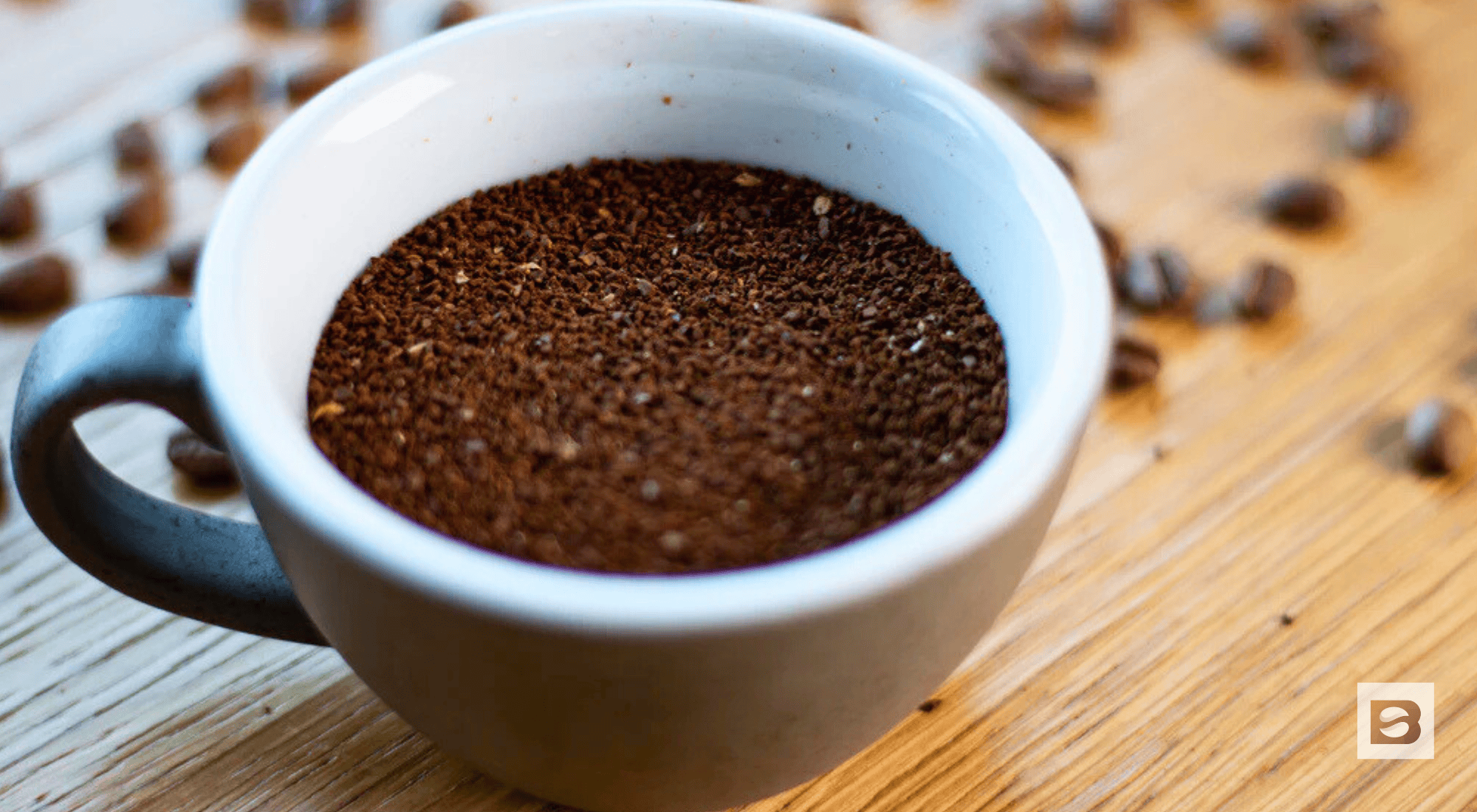
Another big advantage is control over grind size. Pre-ground coffee usually comes in a one-size-fits-all grind, which rarely suits every brewing method.
A coarse grind works better for French press, a medium grind for drip coffee, and a fine grind for espresso. With your own coffee grinder, you can match the grind to your brew method and get more consistent results.
There’s also the question of freshness.
Whole beans can hold onto their quality for weeks if stored properly, but once they’re ground, the decline in flavor starts almost immediately.
That’s why baristas and coffee enthusiasts say grinding fresh isn’t just a nice extra, it’s a must if you want the best coffee at home.
Of course, buying a grinder is an extra step and an extra expense, but even a simple burr grinder can transform the way your coffee tastes.
Think of it as investing in flavor, one that pays off every single morning.
Pre-Ground Coffee: The Upsides and Trade-Offs
Pre-ground coffee exists for one simple reason: convenience. It’s ready to scoop straight into your coffee maker, no grinder needed, and no extra cleanup.
If you’re short on time in the morning or just want something quick and easy, it does the job.
It’s also widely available.
Most supermarkets carry a range of pre-ground options, from budget blends to specialty roasts, and often at a lower price than whole beans plus a grinder. For someone just getting into coffee at home, that accessibility can be appealing.

But here’s the catch.
Pre-ground coffee is ground to a standard size, usually medium, which doesn’t fit every brewing method.
Try using it for espresso, and you’ll likely get a weak shot. Brew it in a French press, and you might end up with too much sludge at the bottom of your cup.
Then there’s freshness.
From the moment beans are ground, the flavors and aromas start fading fast.
A bag of pre-ground coffee may taste fine when you first open it, but after a week or two it will lose much of its punch.
Worse, ground coffee can easily absorb smells from your kitchen – so if you’re chopping onions nearby, don’t be surprised if your morning brew tastes a little off.
So while pre-ground coffee is handy and affordable, it comes with clear trade-offs: less control, less freshness, and often less flavor.
Fresh Ground vs. Pre-Ground Coffee at a Glance
If you’re still on the fence, here’s how the two compare side by side:
| Feature | Freshly Ground Coffee | Pre-Ground Coffee |
|---|---|---|
| Flavor & Aroma | Rich, complex, and vibrant when brewed fresh | Fades quickly, can taste flat or dull |
| Freshness | Lasts 3–4 weeks if beans are stored properly | Starts losing quality within days of opening |
| Control | Adjust grind size for espresso, drip, French press | Fixed grind, not ideal for all brew methods |
| Convenience | Takes extra time and requires a grinder | Scoop and brew - fast and easy |
| Cost | Requires buying a grinder (Burr Recommended) | No grinder needed, often cheaper upfront |
| Risk of Odors | Beans protected until grinding | Easily absorbs kitchen smells |
Even if you go with pre-ground coffee for the convenience, how you store it makes a huge difference in how long it tastes good.
And if you’re grinding fresh, smart storage will help you keep those beans at their best for longer.
Everyday Use and Storage Tips
One of the biggest questions people ask is, how long does ground coffee stay fresh? The short answer is, not very long if you want your coffee fresh.
Once coffee is ground, you’ll notice a drop in flavor within a few days. After a week or two, it can taste flat, even if you keep it sealed up.
Whole beans are much more forgiving. If stored properly, they can stay flavorful for three to four weeks after opening. That’s why grinding just before you brew makes such a difference – it lets you capture that flavor window at its peak.
If you do buy pre-ground coffee, storage becomes even more important. Keep it in an airtight, opaque container away from heat, light, and moisture.

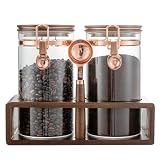

Don’t leave the bag open on the counter, and definitely don’t keep it in the fridge where it can absorb odors.
For whole beans, the same rules apply: an airtight container, a cool dark place, and buy in smaller amounts so you’re not stretching one bag out for months.
And if you’re wondering whether you can grind coffee the night before to save time, you can, but expect a noticeable drop in aroma by morning. It’s better to grind right before brewing whenever possible.
Even with all the right storage hacks, nothing quite beats the taste of beans ground fresh for each cup.
Choosing the Right Grinder for Fresh Coffee
If you’ve decided to start grinding your own beans, the next question is obvious: which grinder should you buy?
The cheapest option is a blade grinder, which works a bit like a blender with spinning blades. It’ll get the job done, but the grind is uneven – some particles end up powdery fine while others are chunky.
That inconsistency can lead to bitter or weak coffee, depending on your brew method.
A burr grinder is the better choice.
Burrs crush the beans between two surfaces, creating a more consistent grind size. That consistency means you can dial in the right grind for espresso, French press, pour-over, or drip coffee, and your brews will taste more balanced.


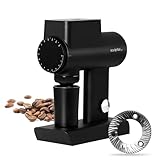
You don’t need to spend a fortune, either. Even an entry-level burr grinder will give you better results than a blade grinder.
If freshly ground coffee is your goal, this is one upgrade that pays off immediately in flavor.
Final Thoughts
When it comes to fresh ground coffee vs. pre-ground, the difference really does show up in the cup. Freshly ground coffee gives you more aroma, more flavor, and more control over how your brew turns out.
Pre-ground coffee saves time and effort, but it can’t compete on freshness.
If you care about getting the best flavor from your beans, investing in a grinder is one of the smartest moves you can make.
Even a simple burr grinder will take your coffee from “good enough” to something that tastes closer to what you’d expect from a specialty coffee shop.
That said, convenience has its place too. If your morning routine is hectic, pre-ground coffee can still deliver a decent cup. Just know that once you’ve experienced coffee made with freshly ground beans, it’s hard to go back.
In the end, the best choice is the one that fits your routine. But if flavor is what you’re after, nothing beats grinding your beans fresh right before you brew.