All products are independently selected by our editors. If you buy something, we may earn an affiliate commission. Learn More >
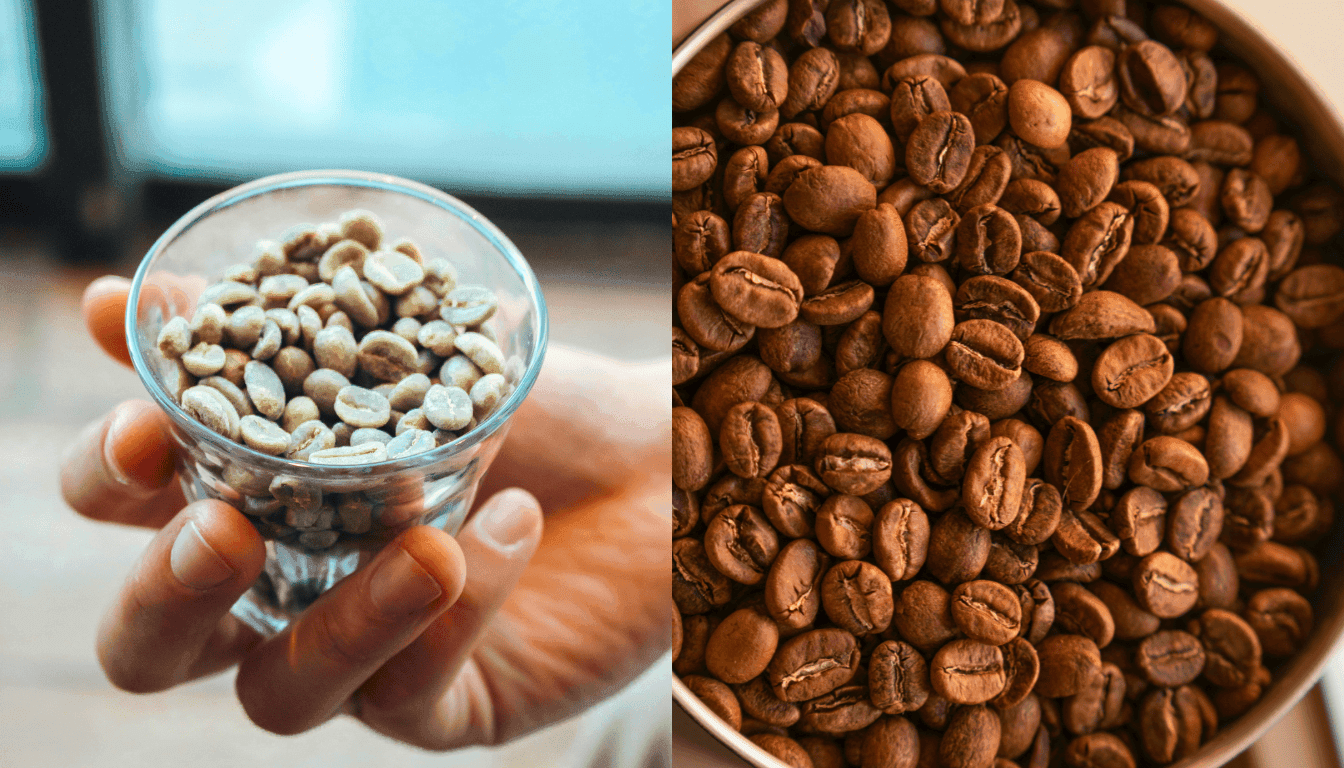
Green coffee beans look tough. Hard, pale seeds that feel almost indestructible.
If you roast coffee at home, you’ve probably had the same thought I did the first time I bought a bag of green coffee. These things must last forever, right?
Then a few months pass. The bag sits in the pantry. Maybe you roast a batch here and there. Eventually you start wondering if those beans are still in their prime, or if they’ve been sitting a little too long.
That question comes up all the time with home roasting.
Green coffee lasts much longer than roasted coffee, but it doesn’t stay perfect forever. Flavor slowly changes as the beans age, and storage plays a big role in how long they stay fresh.
Let’s take a closer look at how long green coffee beans last, what affects their shelf life, and how to store them so they keep their quality for roasting.
The Short Answer: How Long Do Green Coffee Beans Last?
If you’re looking for the simple answer, most green coffee beans stay at their best for roughly 6 to 12 months when stored properly.
That doesn’t mean they suddenly go bad after a year. In fact, green coffee beans can last longer than that. The real issue is flavor. Over time, the fresh coffee gradually loses freshness and aroma if not stored properly.
Here’s a quick look at how the shelf life of green coffee usually plays out.
| Age of Green Coffee Beans | What Happens to the Beans | Roast and Flavor Quality |
|---|---|---|
| 0 to 3 months | Beans stabilize after processing and drying | Excellent roasting performance with vibrant flavor and aroma |
| 3 to 9 months | Peak freshness window for most specialty coffee | Balanced roast development and clear origin flavors |
| 9 to 12 months | Subtle changes begin in the bean structure | Still very good coffee with slightly softer acidity |
| 12 to 18 months | Often called past crop coffee | Flavors become muted or slightly woody |
| 18+ months | Noticeable loss of freshness | Roasts flatter with reduced aroma |
So when people ask what the typical shelf life of green coffee beans is, the honest answer is that green coffee beans last quite a long time.
But their best quality window is usually within the first year.
Why Green Coffee Beans Last Much Longer Than Roasted Coffee
Green coffee beans last longer than roasted coffee for one simple reason.
They have not been roasted yet.
During coffee roasting, heat transforms the structure of the coffee bean. The roasting process releases oils and creates the volatile compounds responsible for coffee’s aroma and flavor.
Freshly roasted coffee smells incredible because those compounds are actively escaping.
But once roasting happens, oxygen begins breaking them down. Oxidation starts immediately, and coffee freshness begins to decline.
That’s why roasted coffee beans usually taste best within a few weeks, while unroasted coffee can last longer. Ground coffee goes stale even faster.
Green coffee, on the other hand, is much more stable. Before roasting, the bean structure protects many of those flavor compounds.
That’s why green coffee beans last so much longer than roasted coffee beans or ground beans.


The Real Shelf Life of Green Coffee Beans
Green coffee doesn’t really expire. Instead, the quality of green coffee slowly declines over time.
Understanding that timeline helps explain how long green coffee beans last and why older beans behave differently during roasting.
0 to 6 Months After Harvest
This is usually the sweet spot for coffee freshness.
During this window the coffee bean still holds most of its original flavor potential. Moisture content remains stable, and roast development behaves predictably.
For most specialty coffee, this period produces the best balance of aroma, acidity, and sweetness.
6 to 12 Months
The coffee is still good and very usable.
Many roasters happily roast beans in this window. The biggest difference is subtle. Some bright flavor notes may soften slightly, and the overall cup can feel a little less vibrant.
Still, this is well within the typical green coffee bean shelf life.
12 Months and Beyond (Past Crop Coffee)
After about a year, the coffee is often referred to as past crop.
This doesn’t mean the beans are bad. It simply means the coffee comes from the previous harvest year.
Past crop coffee often roasts a little differently and may taste flatter. Some roasters notice papery or woody notes developing in the cup.
This is the stage when many people start asking when do green coffee beans expire.
Technically, they haven’t expired. But the loss of freshness becomes noticeable.
When Do Green Coffee Beans Expire or Go Bad?
Green coffee beans rarely go bad the way food does.
Most of the time they simply lose flavor and aroma rather than becoming unsafe.
Still, poor storage can cause real problems.
High humidity can lead to mold. Green coffee absorbs moisture easily, which raises water activity inside the bean and creates conditions for spoilage.
Beans can also absorb odors from the surrounding environment.
If green coffee storage conditions are poor, the coffee may develop off smells or unpleasant flavors long before the beans would normally age out.
That’s why proper storage matters more than the exact age of the beans.

What Causes Green Coffee Beans to Lose Quality
Several factors affect the quality of green coffee during transit and storage.
Humidity and moisture content play the biggest role: Green coffee typically contains about 10 to 12 percent moisture. If humidity rises too high, the beans absorb water and coffee quality declines. If conditions are too dry, beans lose moisture and roast unevenly.
Temperature swings also matter: Coffee does best when stored at stable room temperature. If beans sit somewhere hot or too cold, the structure of the bean slowly changes and flavor compounds degrade faster, affecting the brew.
Oxygen also contributes to aging: Even raw coffee slowly reacts with oxygen. This oxidation dulls delicate flavors over time and contributes to the gradual loss of freshness.
Another issue is odor absorption: Coffee beans act like little sponges. If stored near strong smells, they can absorb those odors. That’s one reason traditional green coffee shipping uses burlap sacks with inner liners to protect the beans during transit and storage.
How to Store Green Coffee Beans Properly
If you want green coffee beans to last as long as possible, good storage conditions make all the difference.
Professional coffee roasters store green coffee on pallets inside climate controlled warehouses. At home you can keep things simple and still get great results.
The goal is stable conditions and protection from moisture and odors for effective long term storage.
Best Containers for Green Coffee Storage
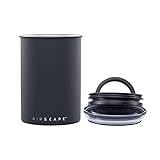
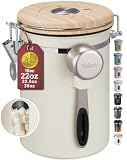
Most green coffee arrives in coffee bags with protective liners. These bags are designed for green coffee storage and often work well for months.
At home you can also store coffee beans in:
• food grade buckets
• sealed containers
• thick zip bags placed inside a dark cupboard
The main goal is to keep humidity out while allowing the beans to stay dry.
Ideal Temperature and Storage Conditions
Green coffee beans stay fresh longest in cool, dry environments.
A pantry or cupboard usually works well. Avoid areas that become hot during the day or damp at night.
Garages and sheds often create poor storage conditions because temperatures fluctuate too much.
Common Storage Mistakes
A few simple mistakes can shorten the shelf life of coffee.
Leaving bags open in humid rooms. Storing beans near spices or chemicals. Keeping coffee where it receives direct sunlight.
Good storage protects green coffee and helps extend the shelf life of coffee significantly.
How Older Green Coffee Beans Affect Roasting and Flavor
Older beans often behave differently during coffee roasting.
One common change is that first crack may happen earlier than expected. Roast development can also move slightly faster.
This happens because the internal structure of the coffee bean slowly changes as moisture and volatile compounds fade.
In the cup, the difference becomes clearer.
Freshly roasted coffee from newer green beans usually has brighter acidity and stronger aroma. Older beans can taste flatter or slightly dull.
That doesn’t mean older beans can’t produce enjoyable coffee. Many roasters still use year old beans successfully.
But fresher green coffee tends to produce fresher coffee after roasting.
How to Tell If Your Green Coffee Beans Are Too Old
Sometimes the signs of aging are obvious.
If green coffee has been stored well, older beans may simply produce slightly muted coffee. But when beans are too old or stored poorly, the clues become easier to spot.
Look for these warning signs:
• dull or faded green color
• dusty smell instead of fresh grassy aroma
• beans that feel unusually brittle
• uneven roasting behavior
Some older beans may also produce stale coffee beans after roasting with papery flavors.
When that happens, it’s usually a sign that the coffee has moved well past its ideal roasting window.
Simple Storage Tips to Extend the Shelf Life of Green Coffee
If you roast coffee regularly, a few simple habits can help extend the shelf life of green coffee.
Buy reasonable quantities instead of huge bulk orders. Store coffee beans in a cool, dry pantry. Keep containers sealed when not in use. Avoid areas with high humidity or strong smells. Rotate your beans so older beans get roasted first.
These simple storage tips help maintain coffee quality and keep your green coffee beans fresh for longer.
Final Thoughts
Green coffee beans are surprisingly durable.
Compared with roasted coffee beans or ground coffee, the shelf life of green coffee is long. When stored properly, green coffee beans can last close to a year while maintaining excellent flavor.
After that point the coffee usually becomes past crop and gradually loses character.
So if you’ve been wondering how long will green coffee beans last, the answer is straightforward.
Store green coffee beans well. Roast them within about a year. And you’ll almost always end up with better coffee in the cup.