All products are independently selected by our editors. If you buy something, we may earn an affiliate commission. Learn More >
At some point every coffee drinker has this moment.
You’ve got two bags of beans sitting on the counter. Maybe one is bright and fruity, the other is deeper and chocolatey. You smell them both and think…
“What would happen if I mixed these together?”
That simple curiosity is exactly how many famous coffee blends started.
Coffee roasters have been blending beans for centuries to create balance, complexity, and consistency. The good news is you don’t need a roasting lab or years in the coffee industry to try it yourself.
With a couple bags of good beans and a little experimenting, you can start making your own coffee blends at home.
And honestly, once you get the hang of it, it becomes one of the most enjoyable parts of brewing coffee.
Let’s walk through how to blend coffee beans at home and how to create a coffee blend that actually improves your cup.
First, What’s a Coffee Blend (and Why Roasters Use Them)
A coffee blend simply means combining two or more coffees together.
Those beans might come from different countries, different coffee plants, or even different roast levels. The goal is to build a cup that tastes better than any single bean on its own.
This idea of creating a roast blend has been part of the specialty coffee industry for a long time. Famous blends like the classic mocha java blend paired Ethiopian coffee with Indonesian coffee to balance fruitiness with deep body.
Coffee roasters rely on blends for another reason too.
Consistency.
Harvests change every year. Weather affects crops. Even the same coffee plant grown in the same region can taste slightly different from one season to the next.
Blends allow roasters to tweak the ratios and maintain a consistent flavor profile.
When you start blending coffee beans at home, you’re essentially doing a simplified version of the same thing.
Why Making Your Own Coffee Blends Is Worth Trying
If you usually buy single origin coffees, blending opens up a completely different side of coffee.
First, it gives you more control over flavor.
Maybe you have a light roast Ethiopian coffee that tastes a little too bright on its own. Pairing it with a chocolatey Brazilian coffee can soften the acidity and create a more balanced cup.
Second, blends can make brewing easier.
Single-origin coffees can be amazing, but they sometimes require very precise brewing to shine. A well balanced coffee blend tends to be more forgiving, which is why espresso blends are so common in coffee shops.
And third, it’s just fun.
Once you start experimenting with mixing coffee beans, you begin to understand how different coffees interact. You start noticing which beans bring sweetness, which add body, and which contribute high notes.
Before long you’re not just buying coffee.
You’re creating your own coffee.

Understanding the Three Roles Inside a Great Coffee Blend
Most successful blends follow a simple structure. Each coffee plays a role in the overall flavor.
Professional coffee roasters often think about blends in three parts.
The Sweet Base Bean
Every coffee blend needs a foundation.
This bean usually makes up the largest portion of the blend and provides a sweet base note that anchors the cup.
Brazilian coffee is famous for this role. It tends to have chocolate notes, low acidity, and a smooth body. Colombian coffee and many Central American coffee varieties work well too.
Guatemalan coffee or Costa Rican beans can also provide a balanced foundation for a blend.
In many recipes the base bean accounts for about half of the total batch.
The Body Bean
The second component adds depth and weight.
Indonesian coffee often fills this role beautifully. Beans from Sumatra or other Indonesian regions tend to bring earthy notes and a heavier mouthfeel.
When added to a blend, they create a richer body that works especially well for espresso.
This component coffee usually makes up around 30 to 40 percent of the blend.
The High Note Bean
Now we add brightness and character.
High note coffees contribute acidity, fruitiness, or floral notes that lift the entire cup in a high-quality roast blend.
Ethiopian coffee is a classic example. Lighter roasted Ethiopian beans often bring fruity or floral notes that brighten a blend.
Kenyan coffee can do something similar with lively acidity and citrus flavors.
This portion is usually smaller, often between 10 and 25 percent of the blend.
When these elements come together, the result is a balanced coffee blend with sweetness, body, and complexity.


Choosing the Right Coffee Beans for Your Blend
When creating custom coffee blends at home, start with beans you already enjoy.
That’s the easiest way to begin.
Brazilian coffee works well as a sweet base bean. Ethiopian coffee adds bright acidity and fruity notes. Colombian coffee often sits comfortably in the middle with balanced sweetness.
Central American coffee such as Costa Rican or Guatemalan beans also make excellent blending beans.
The key idea is that different coffees bring different strengths to a blend. Some beans provide sweetness, some add body, and others contribute the bright high notes that lift the cup.
Here’s a simple cheat sheet to help you understand how common beans behave in a coffee blend.
| Coffee Origin | Role in a Blend | Typical Flavor Contribution | Why It Works |
|---|---|---|---|
| Brazilian Coffee | Base Bean | Chocolate, nutty sweetness, low acidity | Creates a smooth foundation for most blends |
| Colombian Coffee | Balanced Component | Caramel sweetness, medium body | Helps round out acidity and sweetness |
| Ethiopian Coffee | High Note Bean | Fruity, floral notes, bright acidity | Adds brightness and complexity |
| Indonesian Coffee | Body Bean | Earthy, heavy body, low acidity | Adds depth and weight, great for espresso |
| Central American Coffee | Base or Support Bean | Balanced sweetness, mild acidity | Helps tie other flavors together |
One of the most famous examples of this approach is the mocha java blend, which combines Ethiopian coffee with Indonesian coffee. The fruity Ethiopian beans add high notes while the Indonesian coffee provides body.
It’s a great reminder that different coffees often complement each other surprisingly well.
How Roast Level Changes a Coffee Blend
Roast level plays a huge role in blending coffee beans.
Light roast beans tend to highlight acidity and delicate flavors. They often showcase fruity or floral notes and brighter high notes.
Dark roast beans bring deeper flavors like cocoa, caramel, and roasted sweetness.
Some blends intentionally combine different roast levels. This style is sometimes called a melange, where lighter roasted beans and darker roasted beans are blended together to create contrast.
It can produce a unique coffee with a layered flavor profile.
When you’re just starting out, though, blending beans with similar roast levels is usually easier.
Light to medium roasted coffees tend to combine smoothly and produce balanced results.
The Easiest Method for Blending Coffee Beans at Home
Blending coffee beans at home doesn’t require special tools.
A simple process works well.
Start by choosing two or three coffees you want to experiment with. Measure the beans by weight and mix them together in a bowl.
A good starting ratio looks like this:
- 50 to 60 percent base bean
- 30 to 40 percent body bean
- 10 to 20 percent high note bean
Once the beans are blended together, grind them and brew a small test batch.
Take a moment to taste the result. Notice the acidity, sweetness, and body.
Then tweak the ratios.
More Ethiopian coffee might increase brightness. More Brazilian coffee might increase sweetness.
This process of experimenting with blend ratios is exactly how coffee roasters develop a signature blend.
A Simple 15 Minute Coffee Blending Experiment
If you want a quick way to learn how blending works, try this small experiment.
Start by brewing two different coffees separately, considering their roast profiles for the best results. Taste each one on its own and pay attention to the flavor profile.
Maybe the Ethiopian coffee tastes bright and fruity while the Colombian coffee feels smooth and balanced.
Next, mix the beans together using a simple ratio, something like 70 percent Colombian and 30 percent Ethiopian.
Brew the blend and taste again.
One morning, I tried this with a bright Ethiopian and a darker Brazilian coffee just to see what would happen. The fruitiness softened immediately, but the chocolate notes suddenly became more noticeable.
It was a completely different cup.
That’s the moment when blending coffee beans really starts to make sense.
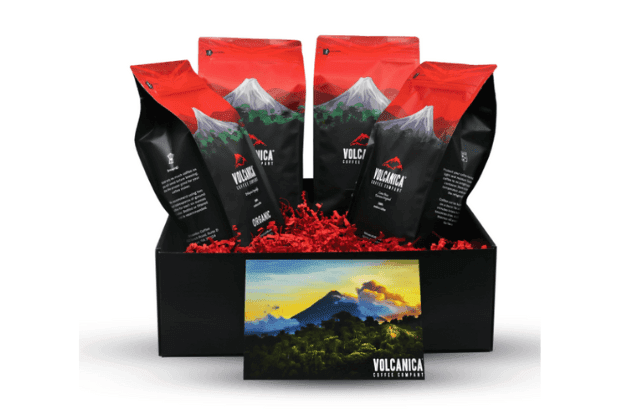
Volcanica Coffee Lover Gift Box
The perfect gift box for the average avid coffee drinker, this gift box includes the best-selling products all in one package. Explore the taste of favorite coffees from around the world from the comfort of home.
Three Simple Coffee Blend Recipes to Try
If you’re unsure where to start, these beginner blends work really well. They give you a simple way to see how different beans interact in a cup.
Try them as written first, then tweak the ratios once you get a feel for how blending coffee beans changes the flavor.
Balanced Everyday Coffee Blend
- 60 percent Brazilian coffee
- 25 percent Colombian coffee
- 15 percent Ethiopian coffee
This produces a smooth coffee with chocolate sweetness and gentle fruity high notes.
It works well for drip brewing or a French press.
Espresso Blend for Milk Drinks
- 60 percent Brazilian coffee
- 30 percent Indonesian coffee
- 10 percent Ethiopian coffee
This blend produces deeper body and sweetness, which works well for espresso drinks with milk.
Bright Fruity Morning Blend
- 60 percent Ethiopian coffee
- 40 percent Colombian coffee
Use lighter roasted beans and brew them as a pour-over for a bright, lively cup.
Should You Blend Before or After Grinding
Most of the time, blending whole beans first works best.
Mix the roasted beans together, then grind the blend before brewing. This keeps the grind size consistent and helps the coffee extract evenly during brewing.
Grinding beans separately can sometimes lead to uneven extraction because different beans may grind slightly differently.
If you’re dialing in espresso, always adjust the grind for the blend itself rather than the individual beans.
How to Improve Your Custom Coffee Blends
Once you start making your own coffee blends, the key to improvement is simple.
Take notes.
Write down the beans you used, the ratios, the roast level, and the brew method. Then adjust one variable at a time.
Maybe swap Colombian coffee for Guatemalan coffee. Maybe increase the Ethiopian portion for more acidity.
Over time, you’ll start to notice patterns in flavor. And eventually you might find the perfect combination that becomes your go to blend.
Common Mistakes When Blending Coffee Beans
When beginners start blending coffee beans, a few small mistakes show up often.
One is using too many beans in a blend. Stick to two or three coffees at first so the flavors stay clear.
Another mistake is mixing very different roast levels, where a dark roast can overpower lighter roasted beans.
And finally, avoid making huge batches when experimenting. Smaller batches make it easier to tweak the ratios and dial in the flavor you want.
Final Thoughts
Learning how to blend coffee beans at home opens up a whole new side of coffee.
You begin to notice how different beans interact. How acidity, sweetness, and body shift depending on the ratio. And eventually you realize something. You’re not just brewing coffee anymore. You’re creating it.
Making your own coffee blends gives you the freedom to shape your cup exactly how you want it. And once you discover a combination that works perfectly for your morning brew.
That first sip feels a little more satisfying.