All products are independently selected by our editors. If you buy something, we may earn an affiliate commission. Learn More >
Most of us don’t give filters much thought until we’re standing in the grocery aisle trying to decide between paper or a permanent one.
Both do the same basic job, but the type of filter you use can change how your coffee tastes, how much cleanup you face, and even your long-term costs.
Coffee enthusiasts have debated permanent coffee filter vs paper filter for years, and the truth is, both have benefits and drawbacks.
Some people swear by the clean, crisp flavor of disposable paper filters, while others prefer the fuller body and reusable convenience of metal coffee filters.
So which option is best for your daily coffee routine? Let’s break down the differences.
How Coffee Filters Work
Before comparing paper and permanent filters, it helps to understand what’s happening during brewing. At its core, the filter is a gatekeeper between your coffee grounds and the cup you drink.
When you brew, hot water extracts flavor compounds, natural oils, and tiny particles from the coffee bean. A filter decides how much of that coffee sediment ends up in your mug.
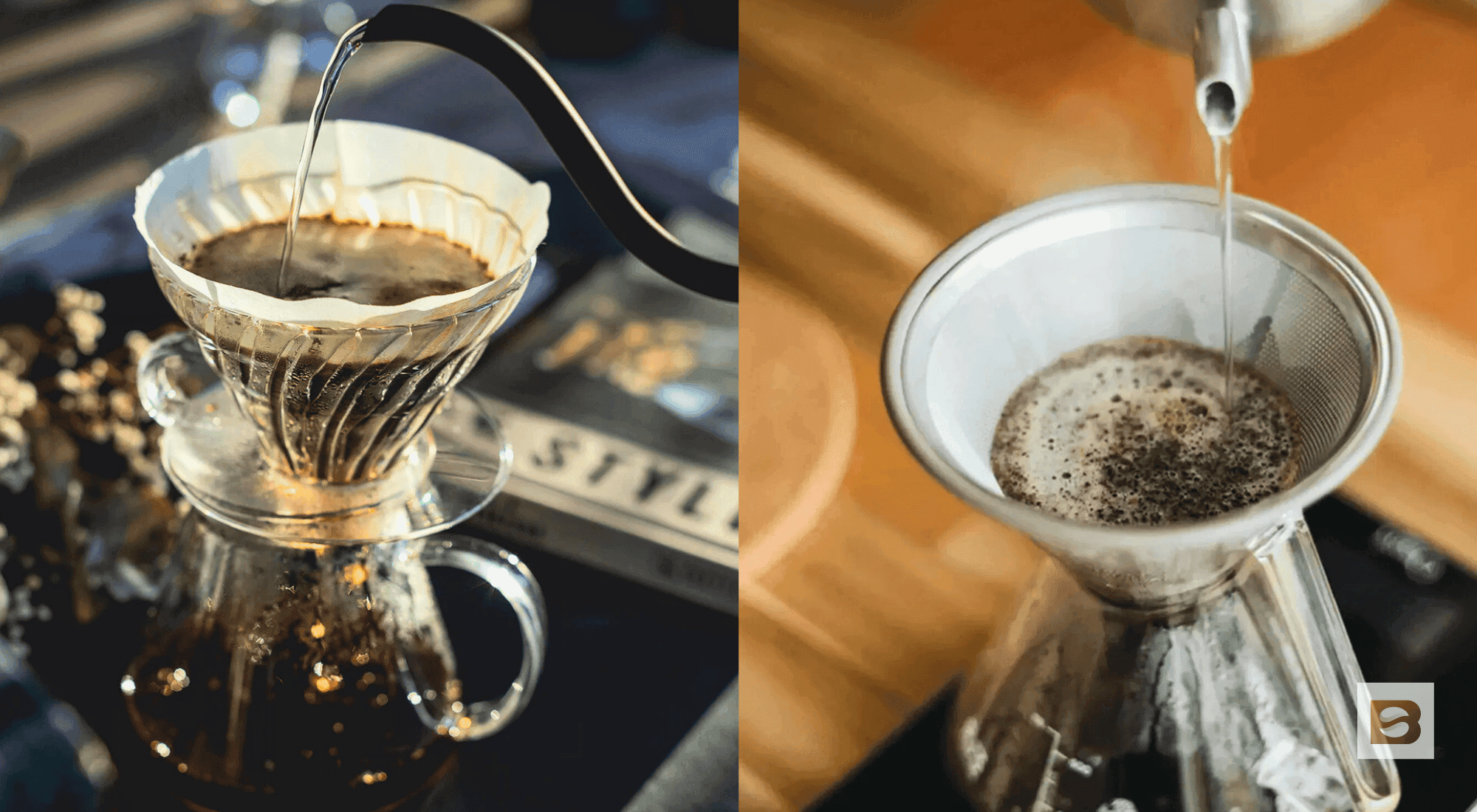
- Paper filters are tightly woven, trapping most oils and fine particles. This produces a cleaner cup with a lighter mouthfeel, ideal for those who enjoy drip coffee.
- Reusable filters like metal mesh or cloth allow more oils to pass, resulting in a richer taste and heavier body, though sometimes with fine grit.
That simple difference explains why coffee brewed with a permanent filter tastes different compared to paper coffee filters.
Paper Coffee Filters
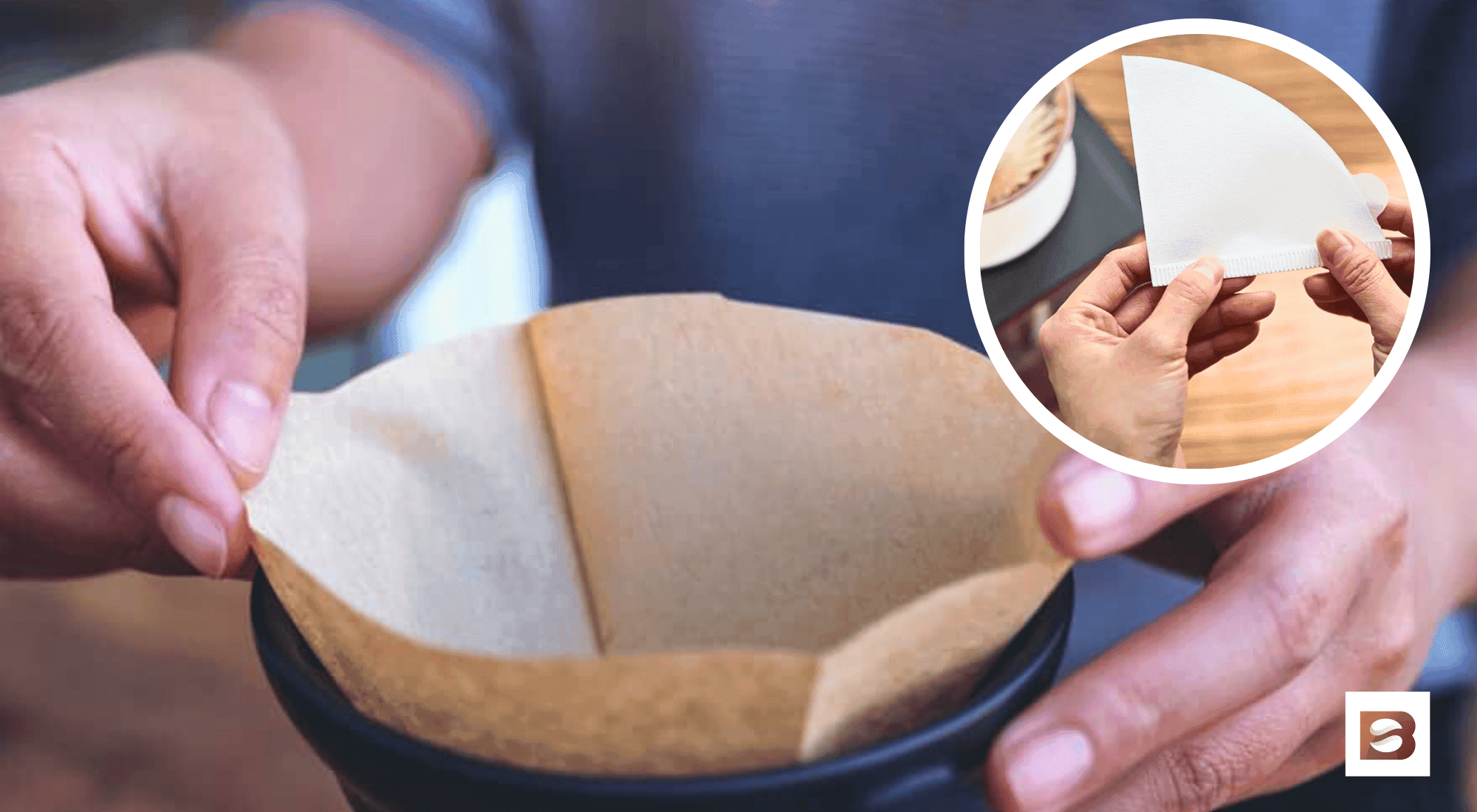
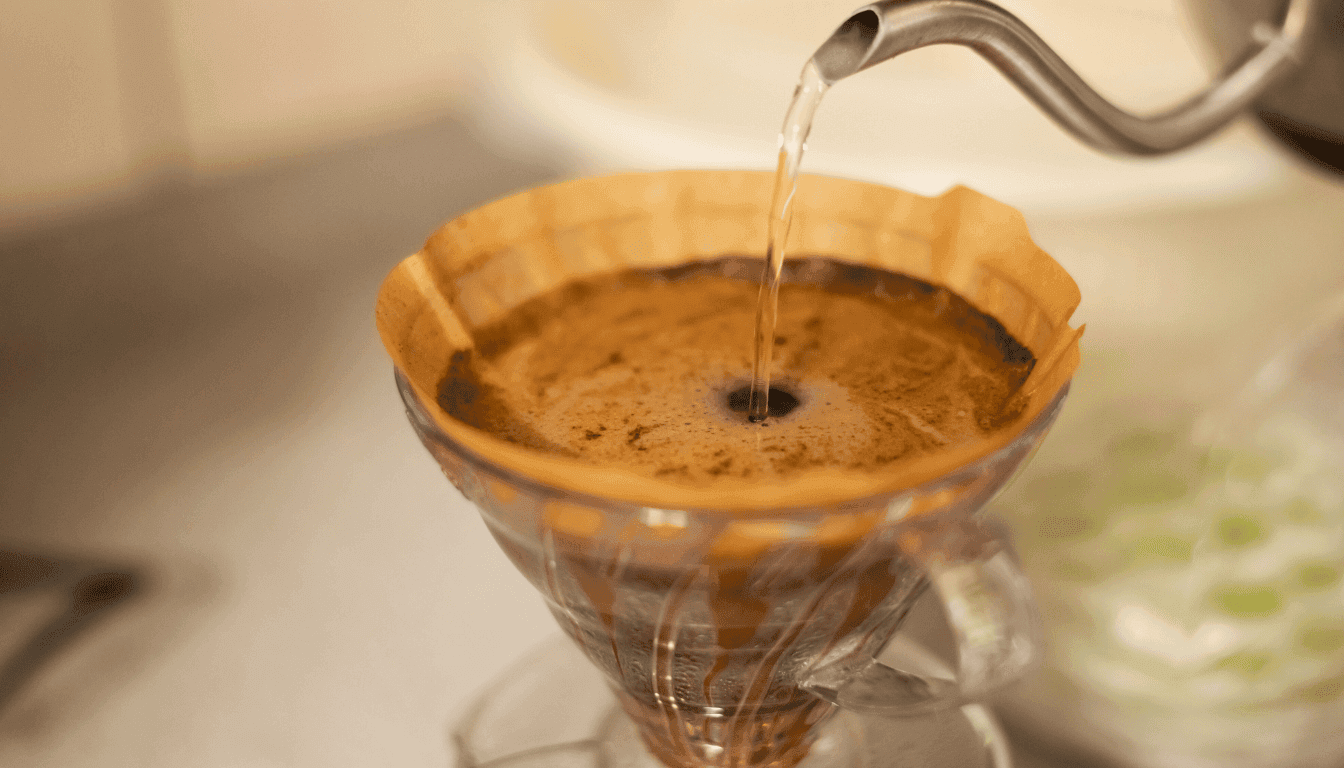
Paper coffee filters are the most common substitute for permanent options and are made from crepe paper.
They’re single-use, making brewing coffee quick and hassle-free. After brewing, you toss them in the trash or compost.
There are two main types of paper filters:
- Bleached filters – bright white, treated with chlorine or oxygen to remove the natural brown color. If you prefer white filters, look for oxygen-bleached brands like Melitta for a safer choice.
- Unbleached paper filters – naturally brown, less processed, and usually more eco-friendly. The taste difference is subtle, though some coffee drinkers say unbleached filters affect flavor less.
What I Love
- Deliver a cleaner cup of coffee with little grit.
- Trap coffee oils (diterpenes) linked to cholesterol.
- Easy cleanup with no rinsing required.
Take Note
- Contribute to waste and have an environmental impact.
- Remove natural oils that add flavor and aroma.
- Need constant replacing, which adds cost over time.
Paper filters are convenient, but they’re not always the best choice for those who want a bold coffee experience.
Permanent Coffee Filters
Permanent, or reusable, coffee filters replace single-use options. They’re most often made from fine stainless steel mesh, though cloth coffee filters, nylon styles, and gold-tone versions exist too.
Instead of tossing them, you rinse and reuse.
What I Love
- Allow more natural oils to pass through, creating a richer flavor and fuller body.
- Save money long term, since one filter replaces dozens of boxes of paper filters.
- Reduce paper waste, offering a greener alternative to paper filters.
Take Note
- Require rinsing and scrubbing after brewing.
- May allow fine particles through, altering texture.
- Don’t trap oils like paper filters, which can affect cholesterol.
Always on hand – no more worrying about buying replacements
Metal coffee filters are the most durable and can last a lifetime with proper care. Cloth filters tend to wear out faster but create a smoother brew compared to paper.
Gold-tone filters fall in between, offering longevity and a slightly different taste profile.
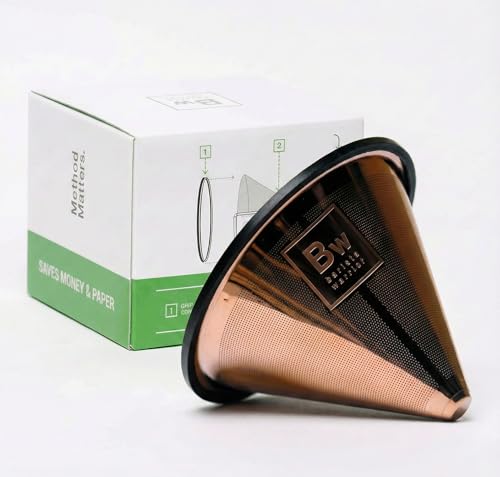
For coffee enthusiasts who value sustainability and flavor, using a permanent filter can be worth the effort.
Permanent vs Paper Coffee Filters: The Key Differences
Choosing between paper and permanent filters isn’t just about convenience – it affects flavor, texture, health, and cost.
Here’s a quick breakdown of how the two filter types compare:
| Factor | Paper Coffee Filters | Permanent Coffee Filters (Metal, Mesh, Cloth) |
|---|---|---|
| Taste & Aroma | Cleaner cup, lighter body, oils absorbed | Fuller flavor, richer body, natural oils pass through |
| Mouthfeel | Smooth, grit-free brew | Slight grit, heavier texture, like a French press coffee |
| Environmental Impact | Single-use, paper waste (some compostable) | Reusable, reduces waste, lasts for years |
| Cost Over Time | Cheap per pack but adds up with daily coffee | One-time purchase, saves money long term |
| Health Factors | Paper filters trap cafestol and kahweol, lowering cholesterol risk | Metal filters produce cups with more oils, small impact on cholesterol |
Are Gold Coffee Filters Worth It?
Gold-tone filters may sound flashy, but they’re practical too.
Made from stainless steel mesh coated with gold, they resist corrosion and can last for years.
From my taste tests, coffee brewed with a gold mesh filter isn’t dramatically different from a standard metal filter. You still get the bold body and flavor oils, but most people won’t notice a big leap in taste.
The real benefit is durability.
Spending $25–$30 on one gold-tone filter can outlast countless packs of disposable filters. For coffee enthusiasts who want gear that might truly last a lifetime, gold filters are a strong option.
Which Coffee Filter Should You Choose?
When it comes to paper filters vs permanent filters, there’s no single best choice. The right type of filter depends on your brewing habits and taste preferences.
- If you like a cleaner cup of coffee with less oil, go with paper.
- If you want a bold brew with more natural oils, a reusable filter is worth it.
- If the impact on the environment matters, permanent filters are the greener option.
- If you want something to last for years, metal coffee filters or gold-tone options are ideal.
Both types of filters work—the key is deciding which one offers the coffee experience you want every time you brew.


FAQs About Coffee Filters
Do you need a paper filter with a permanent coffee filter?
No. A permanent or mesh filter can be used on its own. Adding paper inside a mesh coffee filter is possible, but it defeats the purpose of a reusable filter.
What are the downsides of using a permanent filter?
The main drawback is cleaning. You’ll need to rinse after each brew, and fine particles may slip through. Reusable filters also don’t remove oils the way paper filters do.
Does it matter what type of filter you use?
Both filters are effective. Paper produces a cleaner brew, while permanent filters tend to highlight natural oils and flavor. It’s personal preference.
Can you reuse coffee filters?
Yes. Metal filters, cloth filters, nylon, and gold-tone options are designed for reuse. Disposable paper filters, on the other hand, are single-use and should be composted or discarded.
Final Thoughts
The paper and permanent filter debate really comes down to your taste and priorities. Paper filters offer a clean, crisp brew with minimal effort.
Reusable filters give you a richer, oilier cup, save money, and reduce waste.
If convenience is your top priority, paper is the easy choice. If flavor and sustainability matter more, reusable filters are the way to go.
And if you want a filter that may truly last a lifetime, invest in a gold-tone option for your coffee maker.
My advice? Experiment with both filter types. Brew side by side, compare taste and aroma, and see which coffee experience feels right for you.