All products are independently selected by our editors. If you buy something, we may earn an affiliate commission. Learn More >
I get asked some version of this question every few weeks. Someone’s tired of running out of paper filters, or they’ve read one too many articles about waste, and they want to know if a reusable filter is going to ruin their Chemex.
The internet’s answer is usually vague. Yes, reusable filters work fine, they say, without ever explaining what “fine” actually tastes like compared to what you’re used to.
Here’s my direct take after two decades in the industry. Switching to a reusable filter is not a swap. It’s a different brewing method wearing the same carafe. The cup changes, your technique needs to change with it, and depending on which filter you pick, your Sunday morning routine changes too.
None of that is bad. But you deserve to know it going in, not after your first confusing cup.
What Actually Changes in the Cup
Chemex bonded paper is thick.
That thickness is the whole trick behind the classic Chemex cup: bright, clean, almost tea-like clarity because the paper strips out oils and fine particles along with the bitterness.
Take that paper away and you lose that filtration layer.
Coffee’s natural oils and aromatic compounds that paper normally traps now make it into your cup. You get more body, more weight on the tongue, and a rounder aromatic profile.
Think of it as sliding the dial from paper toward a Hario V60 on the lighter end, or all the way toward French press territory on the heavier end, depending on the material you choose.
Paper gives you the cleanest possible cup. Reusable filters give you more texture and more of the bean’s actual character, at the cost of some of that crispness.
Neither is objectively better. It depends on what you actually like drinking.
The Three Real Options
Every reusable Chemex filter on the market falls into one of three camps, and each one produces a noticeably different cup.
Stainless steel mesh and etched cones let through the most oils and the most body. They’re also the most likely to let a bit of fine sediment settle at the bottom of your carafe if the mesh isn’t well designed.
Cloth filters, usually organic cotton or hemp, sit in the middle.
They trap the majority of sediment while still letting meaningful oil through, which is why cloth tends to produce the sweetest, most balanced cup of the three categories.
Titanium coated steel filters behave like standard stainless steel in the cup, but the coating stops any risk of a metallic edge showing up in the flavor and holds up better against corrosion over years of daily use.
Five Best Reusable Chemex Filters Worth Your Money
I picked these five because they represent every real option above, not because they’re the only filters that exist. These are great options for 2026.
| Filter | Material | Cup Profile | Cleaning Effort | Price |
|---|---|---|---|---|
| Able Kone | Photo etched stainless steel | Full bodied, closer to French press | Low, rinse and occasional brush | $$$ |
| CoffeeSock Original | 100% organic cotton, GOTS certified | Sweet, clean, balanced | High, rinse every use, boil monthly | $$ |
| Barista Warrior | Titanium coated stainless steel | Full bodied, no metallic edge | Low to moderate, dishwasher safe | $$$ |
| Bolio Organic Hemp | 100% organic hemp cloth | Smooth, close to paper with more roundness | Moderate, rinse and periodic deep clean | $ |
| Dailybrew Stainless Steel | 304 stainless steel mesh | Full bodied, higher sediment risk | Low, dishwasher safe | $$ |
Able Kone Reusable Stainless Steel Chemex Coffee Filter

This is the filter I recommend most when someone asks me where to start. In my experience with etched steel filters generally, that hole pattern is what separates the ones that clog within a month from the ones that don’t.
Able builds it in Portland from a single piece of welded, photo etched stainless steel, and it fits the 6, 8, and 10 cup Chemex along with a few other brewers.
What I Love
- Barely ever clogs.
- Built to last years.
- Works in multiple brewers.
Take Note
- Costs more upfront.
- More sediment than paper.
CoffeeSock Reusable 100% Organic Cotton Coffee Filters

In my experience with cloth filters, cotton is the material that gets you closest to a truly sweet cup, and CoffeeSock’s construction is a good example of why.
They hand make these in Austin, Texas, from GOTS certified organic cotton with no bleach and no synthetics, and the two ply build holds up cleaner than the flannel style cloth filters that tend to shed more into the cup.
Most sets ship in pairs so there’s always a dry one ready while the other dries out.
What I Love
- Sweetest cup of the bunch.
- Fully compostable, low impact.
- Two filters, no downtime.
- Handmade in the USA.
Take Note
- High maintenance routine.
- Mold risk if mishandled.
- Needs a finer grind.
- Shorter lifespan than steel.
Barista Warrior Reusable Stainless Steel Coffee Filter

I was skeptical of titanium coated steel filters at first, figuring the coating was more marketing than substance, but in my experience they hold up better against metallic taste than plain stainless over time.
The dual filtration setup here, a fine mesh layer paired with a laser cut cone, keeps sediment noticeably lower than plain mesh generally does.
It fits the 6, 8, and 10 cup Chemex plus the Hario V60, and it’s the only filter in this lineup that’s dishwasher safe.
What I Love
- Dual layer cuts sediment.
- No metallic taste risk.
- Dishwasher safe cleanup.
- Fits Chemex and V60.
Take Note
- Needs biweekly vinegar soaks.
- Silicone ring wears eventually.
Bolio Organic Hemp Reusable Chemex Coffee Filter

This is the filter I hand to anyone who loved paper but wants off it.
In my experience with hemp filters, the thicker fiber doesn’t ball up the way cotton does, so the flow rate stays closer to what most people are used to from a standard Chemex brew.
It fits the 6, 8, and 10 cup Chemex and is built to handle hundreds of brews without falling apart.
What I Love
- Flow closest to paper.
- Resists clogging and fuzzing.
- Naturally antibacterial fiber.
Take Note
- Still needs regular rinsing.
- Faint hemp taste at first.
- Harder to find in stores.
- Won’t outlast steel long term.
Dailybrew Stainless Steel Woven Mesh Reusable Coffee Filter

If you just want to try steel without spending real money, this is where I’d point you. It’s a square, hanging ear design in 304 stainless steel that fits 6, 8, and 11 cup hourglass style carafes, Chemex included.
In my experience with budget steel filters, they rarely do anything fancy, but this one seats fast, cleans fast, and gets the job done for the price.
What I Love
- Cheapest way into steel.
- Quick hanging ear fit.
- Dishwasher safe.
- Solid 304 steel build.
Take Note
- Single layer mesh only.
- More sediment than premium picks.
- Fit runs slightly loose.

Adjusting Your Brew
You can’t drop a reusable filter into your Chemex and run your paper routine unchanged.
Water moves faster through metal mesh and hemp than it does through thick bonded paper, so a few tweaks keep your extraction where it should be.
Grind coarser for metal filters, somewhere in the sea salt range, to keep fine particles from slipping through and clogging the mesh over time.
Cloth filters usually want the opposite adjustment, a slightly finer grind than you’d use with paper, to slow the drawdown back to a normal pace.
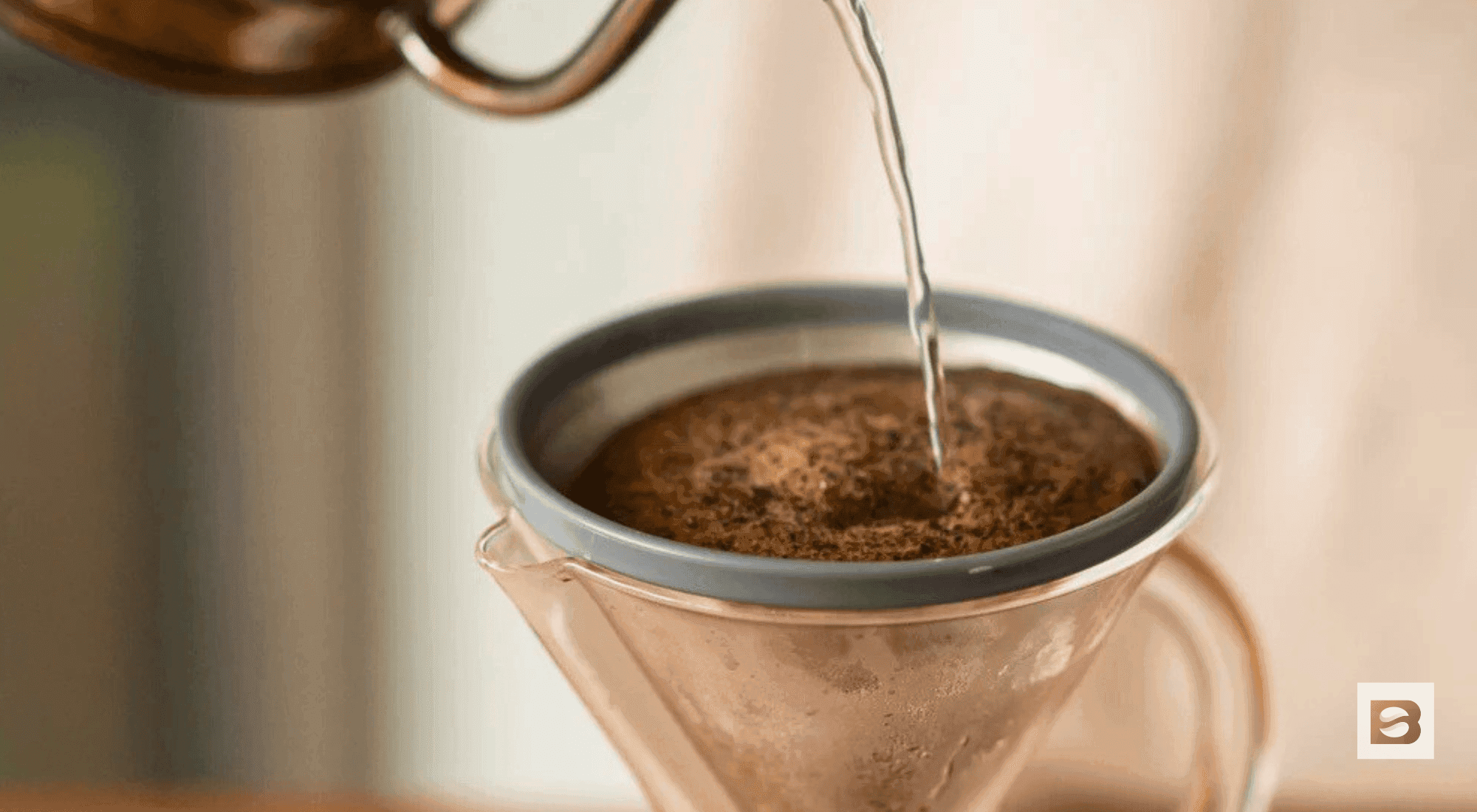
Extend your bloom to around 45 seconds regardless of which filter you’re using. That extra time gives the coffee bed a chance to degas properly before the faster flow rate takes over.
A slow, controlled pour with a gooseneck kettle matters more here than it does with paper, since uneven pouring shows up more obviously in the cup when there’s no thick paper layer smoothing things out.
The Maintenance Reality
This is where a lot of people underestimate what they’re signing up for.
Steel filters need a rinse right after brewing and an occasional soft brush to clear trapped fines out of the mesh.
If your cup starts tasting flat or slightly rancid, that’s usually built up coffee oil, not a broken filter. A weekly soak in a vinegar or citric acid solution dissolves that buildup and resets the flavor.
Cloth filters, whether cotton or hemp, need boiling before their first use and again periodically to clear oils that plain rinsing won’t touch.
Between brews, they need to be stored properly, either kept damp in the fridge or dried completely, since a filter left damp at room temperature is exactly how mold shows up.
Cost Over Time
Paper filters are cheap individually, but the spend adds up fast if you’re brewing daily.
A box lasts a matter of weeks for most households, and that’s a recurring cost that never stops. A reusable filter is a one time purchase that, for steel and titanium options especially, can realistically last years with basic care.
Cloth filters sit in the middle since they need replacing more often than steel but still outlast a stack of paper filters many times over before you spend another dollar.
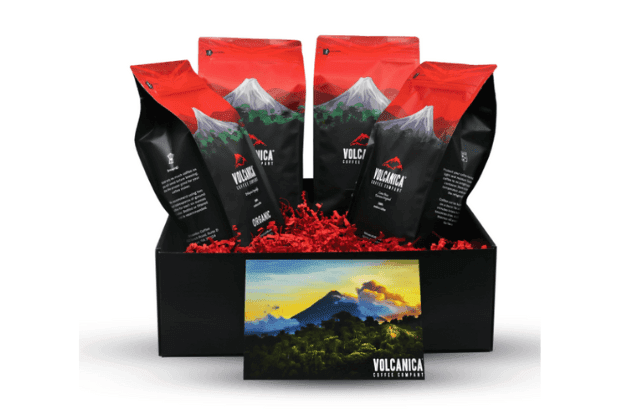
Volcanica Coffee Lover Gift Box
The perfect gift box for the average avid coffee drinker, this gift box includes the best-selling products all in one package. Explore the taste of favorite coffees from around the world from the comfort of home.
Which Reusable Chemex Filter Should You Actually Buy?
If you hate the idea of any maintenance routine beyond a quick rinse, go steel. The Able Kone is the safest long term buy if you want the best built version of that experience, and the Dailybrew is a reasonable way to test the waters without spending much.
If you want the sweetest, most refined cup and don’t mind a bit of extra care, go cloth. CoffeeSock is the gold standard here if you’re willing to boil it monthly, and Bolio’s hemp filter is the better choice if you want most of that cloth sweetness without the mold anxiety that comes with cotton.
If you want steel’s body without any risk of a metallic edge, Barista Warrior’s titanium coated option splits the difference nicely and happens to be dishwasher safe, which matters more than people expect once the novelty of a new filter wears off.
Final Thoughts
None of these filters make a bad cup of coffee. What they make is a different cup than the one you’re used to if you’ve only ever brewed with paper.
Once you know that going in, and once you make the small adjustments to grind and bloom time these filters actually need, you end up with a brewing routine that costs less over time and gives you a fuller, more textured coffee experience than a Chemex has traditionally been known for.
Pick based on how much maintenance you’re actually willing to do, not just on which filter looks best in a photo, and you’ll end up happy with any of these five.