All products are independently selected by our editors. If you buy something, we may earn an affiliate commission. Learn More >
Ask a room full of coffee lovers which filter makes a better cup, cone or flat, and you’ll start a lively debate. Some swear the cone shape draws out deeper flavor, others say the flat-bottom design keeps things balanced.
We already know grind size, brewing method, and bean freshness shape how your coffee tastes. But here’s a detail that’s often overlooked – the shape of your coffee filter can subtly change the flavor of your brew.
Let’s look at what actually happens inside a cone-shaped filter vs a flat coffee filter, what science says about the difference, and how to pick the best one for your coffee routine.
How Filter Shape Affects Brewing
Whether you brew manually or use a drip coffee maker, the geometry of your filter determines how water flows through the coffee bed, and that flow controls flavor.
In an automatic drip coffee maker, the spray head and filter basket work together. A flat-bottom basket spreads water over a wider surface, while a cone filter channels it through a deeper bed toward the center.
Think of it like rainfall.
In a cone filter, water gathers and drains through a single point, creating stronger extraction near the middle. In a flat-bottom filter, it spreads more evenly, giving a smoother, more balanced result.
If water drains too quickly, your coffee will taste weak. Too slowly, and it turns bitter.
That balance between contact time and flow rate is shaped largely by the filter’s design.
For pour-over brewers like the Hario V60, Chemex, or Kalita Wave, you can fine-tune the flow by adjusting the grind size and pouring technique, but the filter shape still sets the foundation.
Once you understand the impact of filter size, you can adjust other variables more precisely instead of brewing by guesswork.
The Two Main Coffee Filter Shapes
When we talk about paper coffee filters, we’re really talking about these two designs.
| Feature | Cone Filter | Flat-Bottom (Basket) Filter |
|---|---|---|
| Shape | Tapers to a point | Wide base with flat bottom |
| Flow Pattern | Water drains toward the center | Water spreads evenly across grounds |
| Extraction Style | Focused, deeper | Uniform, balanced |
| Flavor Profile | Brighter, more complex | Sweeter, smoother |
| Best For | Manual pour-over brewers (V60, Chemex) | Automatic drip machines and batch brewers |
| Ideal Grind Size | Medium-fine | Medium |
A cone filter creates a deeper column of coffee, which can draw out brighter, more complex notes – especially from light or fruity beans.
A flat-bottom filter forms a shallower bed, letting the water spread across more surface area for an even extraction. The result is often rounder and sweeter, particularly with medium or darker roasts.
If your coffee maker dictates the filter shape, use the one it was designed for.
But if you brew by hand, experimenting with both can reveal how shape alone shifts flavor and body.
What Science Says About the Type of Coffee Filter
This isn’t just coffee geek theory. Researchers at the UC Davis Coffee Center, working with the Specialty Coffee Association, ran controlled tests using identical coffee, grind size, and water temperature. The only variable was the filter shape.
Tasters could consistently tell the difference between the brews made with different types of filters.
Cone filters produced slightly higher total dissolved solids (TDS), meaning stronger extraction. Flat-bottom filters brewed coffee with lower TDS and a smoother, rounder taste.
In plain language, the geometry of the filter basket changes how evenly the water flows through the coffee bed. Cone filters encourage deeper, focused extraction, while flat filters promote a more even flow.
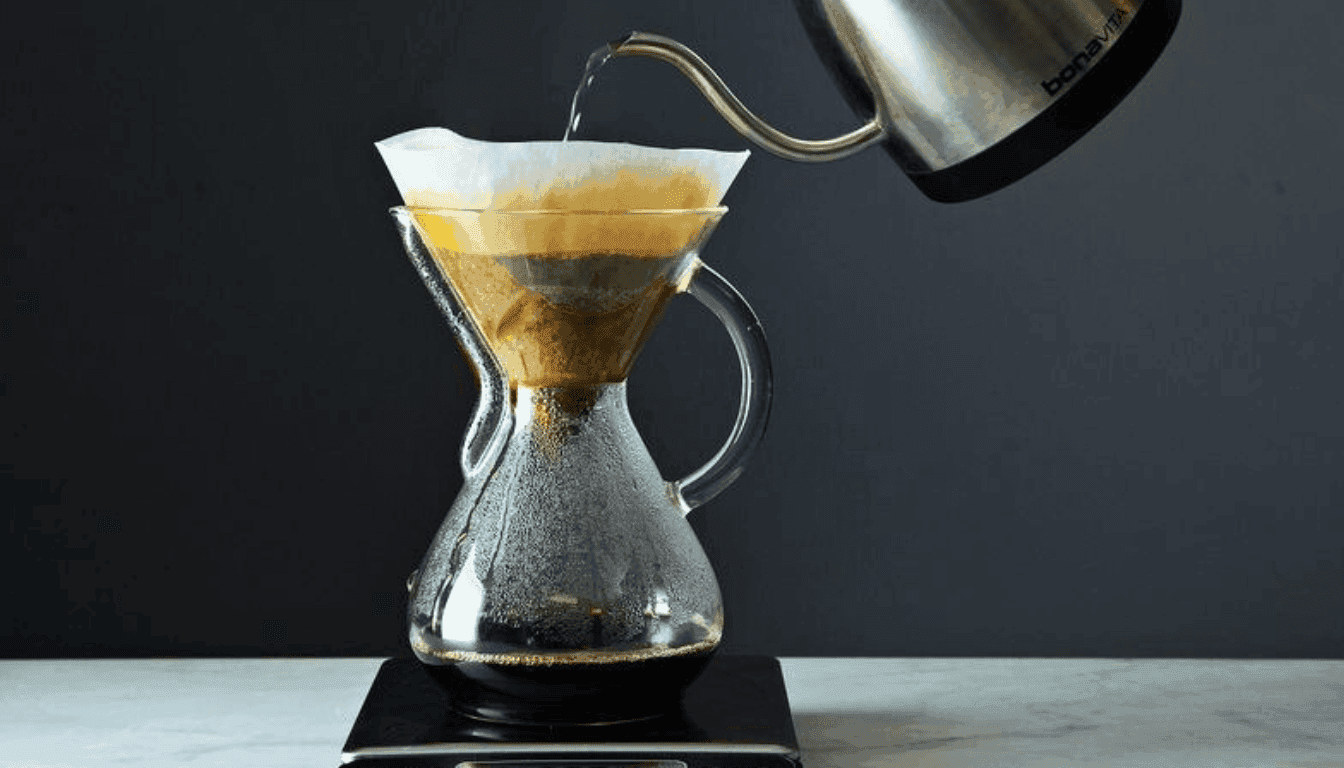
It’s a subtle difference, not one you’ll notice in every cup, but enough that once you recognize it, you can use it to shape your preferred flavor.
Choosing the Right Filter for Your Coffee Maker and Taste
If you’re using an automatic drip coffee maker, stick with the filter basket shape it was built for. Switching from cone to flat (or vice versa) can disrupt the water flow and harm consistency.
If you brew manually, you’ve got more freedom to experiment.
A cone filter works beautifully with lighter roasts and complex single origins, where you want to taste clarity and brightness.
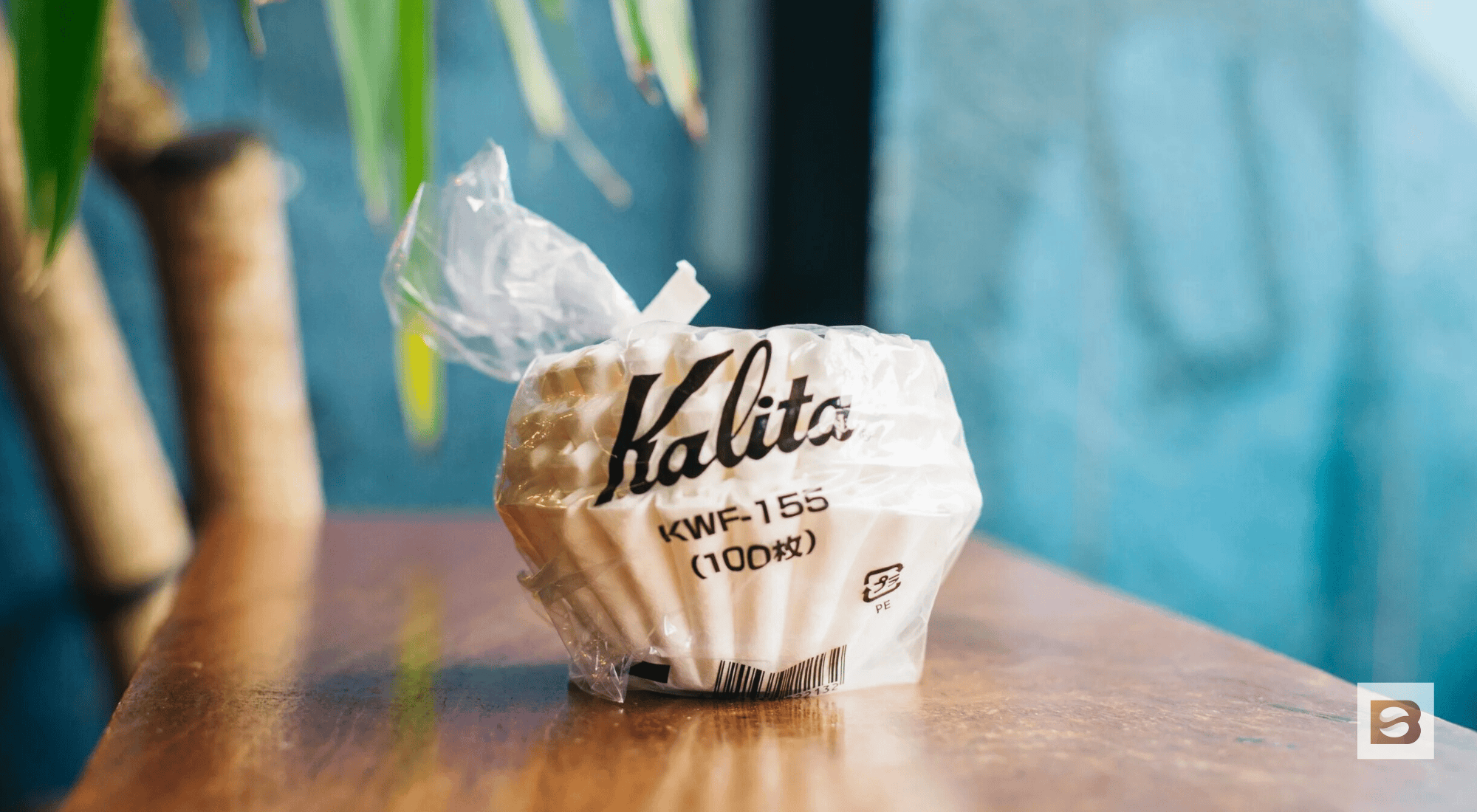
A flat-bottom brewer, such as the Kalita Wave, Timeomre B75 Dripper, or Fellow Stagg XF, shines with chocolatey or nutty coffees that benefit from smoother, sweeter extraction.
Adjusting grind size to match your filter type is key for a perfect cup of coffee.
Cone filters often need a slightly finer grind, while flat-bottom filters prefer a bit coarser ground coffee for the best results.
Small changes here can balance extraction better than any gadget upgrade.
Beyond Filter Shape: Materials and Other Variables
Filter shape sets the tone, but it’s not the only thing affecting flavor. The filter material, basket depth, and pouring technique also come into play in the coffee brewing process.
Paper filters remain the go-to for most brewers. They trap fine particles and oils, giving a clean, crisp cup. Rinsing them first removes any papery taste and helps them stick to the basket walls.
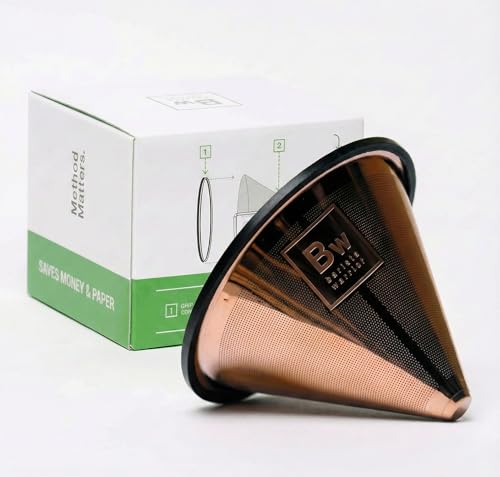
Metal filters or mesh-style reusable filters allow more coffee oils through, creating a heavier body and richer mouthfeel. The cup won’t be as clear, but it feels fuller.
Cloth filters sit in the middle. They hold back sediment but let some oils through, producing a balanced cup with a bit more texture. They need regular cleaning to stay fresh.

Even the filter basket geometry itself can affect results.
A deeper basket slows the flow and intensifies flavor, while a shallow, wide one speeds it up and smooths it out.
Understanding these details helps you tweak your setup—not to chase perfection, but to achieve the taste you like, every time.
My Experience with Cone and Flat Filters
After years of testing both, I can say the difference is real, even if it’s not dramatic. When I’m exploring different coffee beans or chasing delicate floral notes, I reach for a conical filter. It gives me more control and clarity.
When I want an easy, balanced cup, especially in the morning, I go with a flat-bottom brewer. It’s forgiving, steady, and consistently sweet.
If you want to taste the difference for yourself, run a simple experiment.
Use the same beans, grind, and ratio, then brew one cup with a cone filter and another with a flat-bottom.
That side-by-side comparison will tell you more than any chart or review.
Final Thoughts
There’s no single best coffee filter shape. Both cone and flat-bottom filters can brew excellent coffee when paired with the right beans and technique.
Cone filters emphasize brightness and complexity. Flat-bottom filters bring sweetness and smoothness. The best choice is the one that matches your taste and brewing style.
Once you start paying attention to how filter shape changes your coffee, you’ll see it’s not a minor detail. It’s another lever you can pull to make every cup taste just a bit closer to perfect.