All products are independently selected by our editors. If you buy something, we may earn an affiliate commission. Learn More >
If you have ever wondered whether K-Cup coffee tastes the same as regular coffee, you are not alone. They look identical in the cup, but the way each one is brewed creates a different flavor and a different feel.
K-Cups shine in convenience, while regular coffee gives you more control and more depth. Many coffee drinkers assume the pod version is simply a quicker shortcut to the same brew, but that is not quite how it works.
Once you understand what changes inside the pod and in the brewing process, the differences become much easier to taste.
Let’s break down what actually changes in the cup so you can choose the brew that fits your routine.
What Is Inside a K-Cup Pod Compared to Regular Ground Coffee?
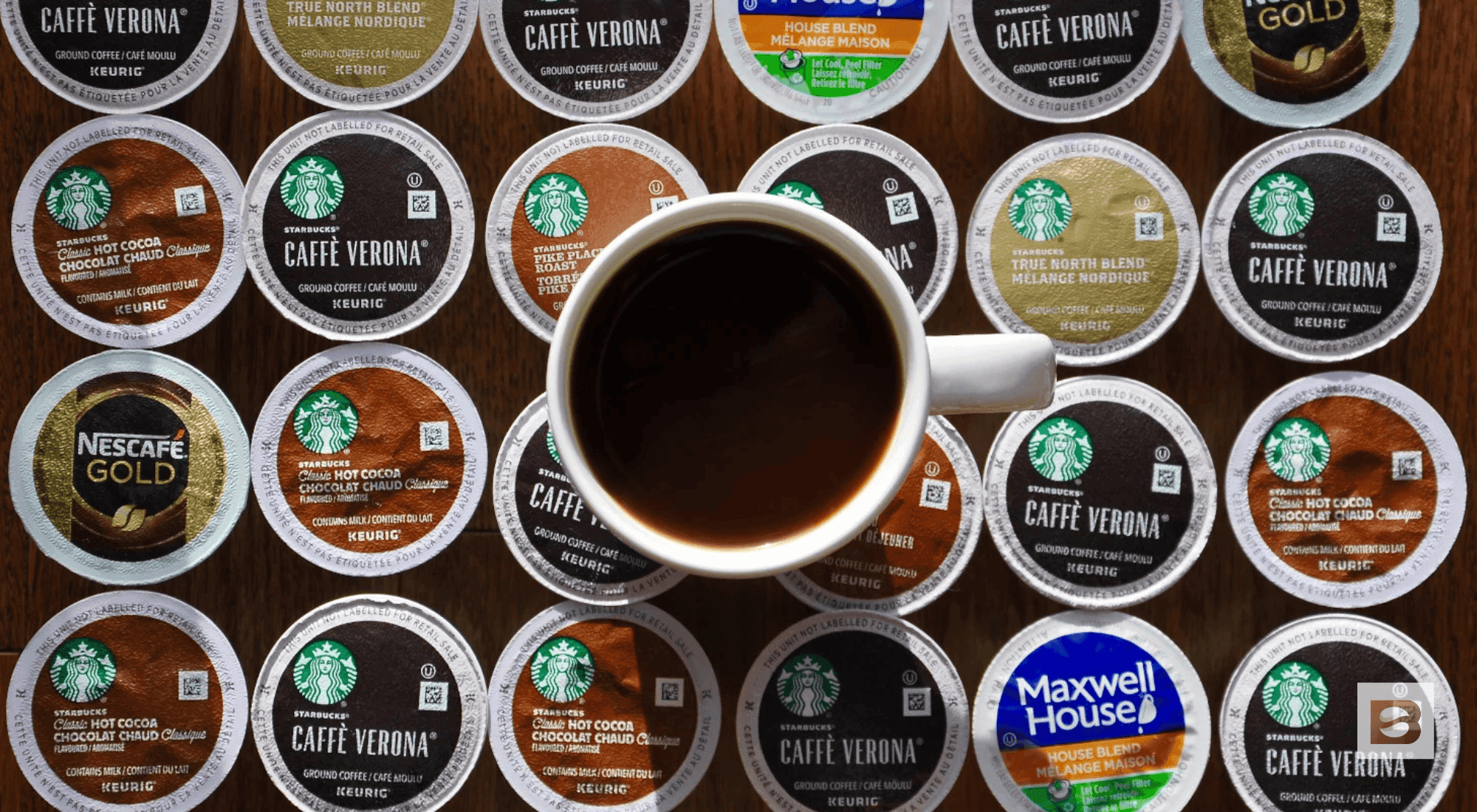
Both K-Cups and regular coffee start with roasted coffee beans, but the freshness and flexibility are very different. A K-Cup pod is filled with pre-ground coffee that is sealed inside a plastic cup with a built-in filter. The grind is usually medium fine, so the coffee can brew quickly inside a Keurig.
Regular coffee lets you grind fresh beans for whatever brewing method you choose.
Drip coffee makers need a medium grind. Pour over can be a touch coarser or finer. That flexibility affects the quality of the coffee and the freshness of coffee in the cup.
K-Cups reduce the guesswork, but the coffee was ground long before it reaches your kitchen. The sealed pod protects it from exposure to air, but it still cannot match freshly ground beans.
And just to clear up confusion, soft pods are not the same as K-Cups. They look more like tea bags and use a different brewing method altogether.
Brewing Method, Extraction, and How Coffee Is Brewed in a K-Cup Machine
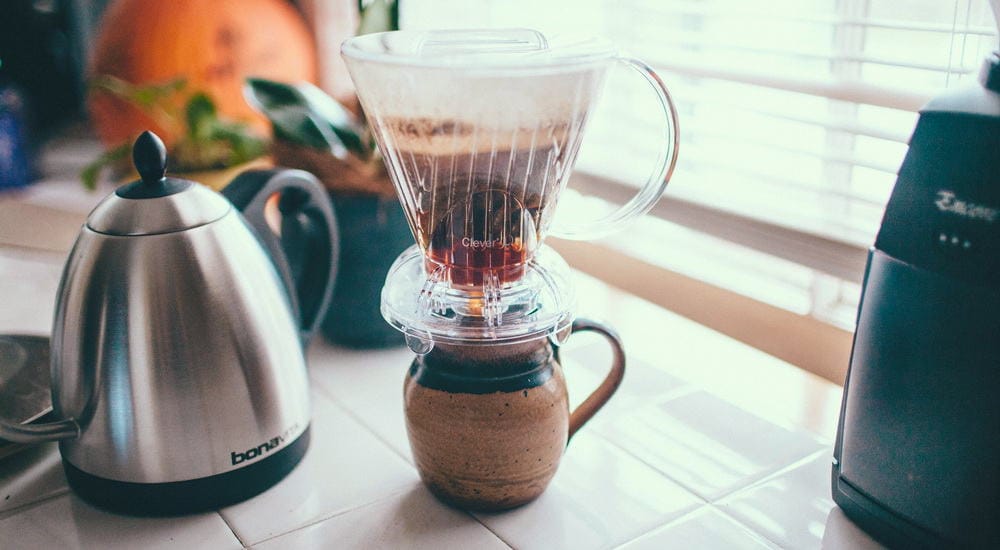
A regular drip coffee maker slowly drips hot water over the grounds, giving the coffee plenty of contact time to brew coffee. That longer extraction helps develop a richer flavor.
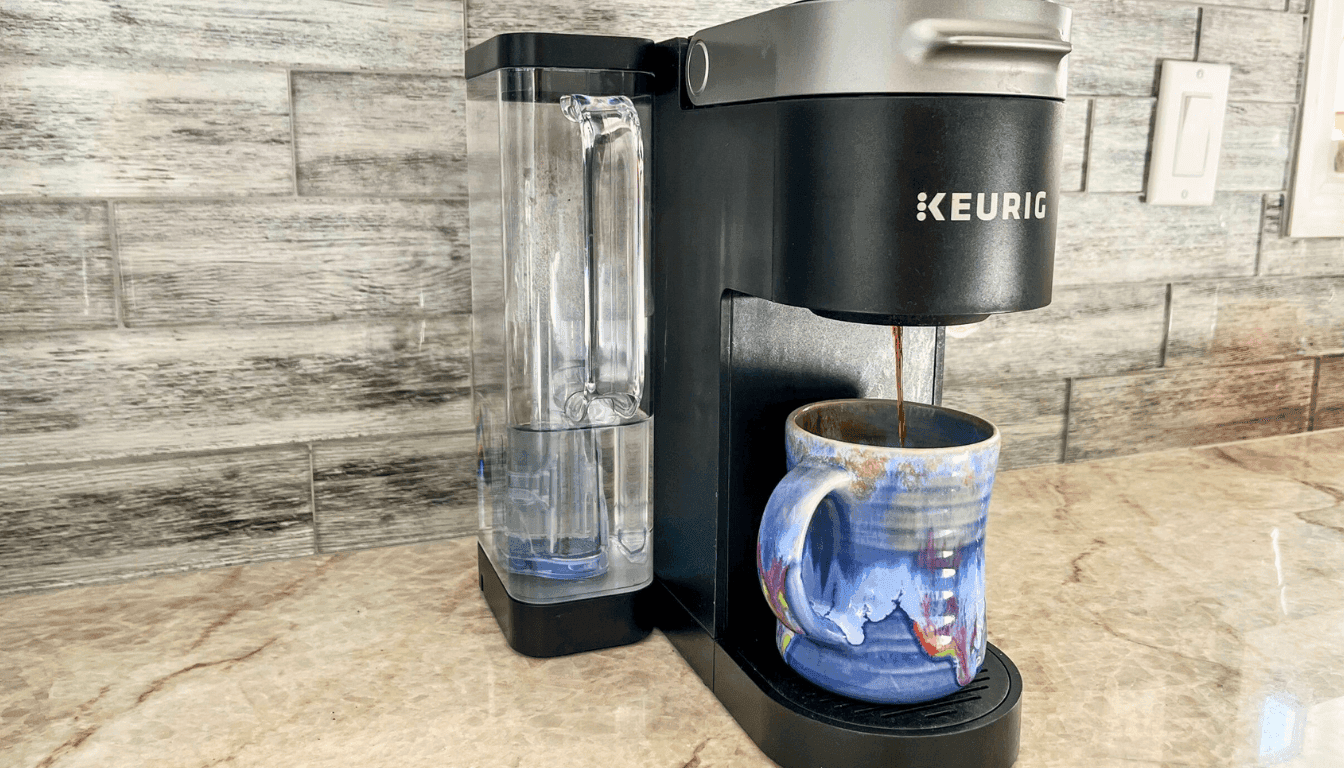
A Keurig single cup coffee maker works much faster than traditional methods.
When you close the lid, a needle pierces the top of the pod. Hot water shoots through the coffee in seconds before exiting through the bottom. The brewing process is quick and efficient, but the shorter water contact limits how much flavor is extracted.
Extraction is simply the amount of flavor the water pulls out of the grounds. More contact time usually means a deeper, fuller cup.
This is why K-Cup coffee often tastes lighter or thinner than regular coffee.
Does K-Cup Coffee Taste the Same as Regular Coffee?
Taste is where people notice the biggest difference.
You can make a satisfying coffee with a pod, especially if you choose a blend you enjoy. Honestly, some K-Cup flavors are surprisingly good.
Even so, regular coffee has more aroma, more depth, and more body. Freshly ground coffee blooms in the cup and fills the room with that classic smell that pod coffee struggles to match.
If you usually brew drip coffee with fresh beans, K-Cup coffee may feel milder. If you want a quick single cup without fuss, pods can be a perfect fit.


K-Cup Coffee vs. Regular Coffee: Quick Comparison
Here is a simple side by side look at how K-Cup coffee stacks up against regular coffee. If you are trying to decide which one fits your habits, this quick comparison makes things clearer.
| Feature | K-Cup Coffee | Regular Coffee |
|---|---|---|
| Freshness | Pre ground coffee sealed in a pod, stable but not truly fresh | Freshly ground beans give you more aroma and fuller flavor, making your coffee better. |
| Grind Control | None, coffee ground is set by the pod manufacturer | Full control of grind size for any brewing method |
| Brewing Method | Fast single serve system with short water contact time | Slower drip process that extracts more flavor |
| Flavor and Strength | Often lighter because extraction is limited | Richer, fuller, and more aromatic |
| Coffee Quantity | Usually 9 to 12 grams per pod | Commonly 15 to 20 grams per cup |
| Convenience | Very fast and simple | More steps, better results |
| Cost Per Cup | Higher per cup price | The cost is lower when using your own beans to make coffee. |
| Customization | Limited unless using reusable pods | Fully adjustable strength, grind, and brew time |
| Environmental Impact | More waste unless using reusable pods | Less waste, especially when buying beans in bulk |
K-Cup Coffee vs Regular Coffee: Which Is Fresher?
Freshness affects everything. Freshly ground coffee still has its natural oils and aromatics at their peak. With K-Cups you get long shelf life, but not true freshness.
Pods are sealed to protect the coffee from exposure to air, which helps, but the beans were ground long before. Coffee lovers can usually taste the difference.
When I brew the same blend as a pod and as a fresh pour over, the aroma alone tells the whole story. The coffee inside the pods I would class as expired when compared to freshly ground coffee.
How Much Coffee Is Inside a K-Cup vs a Regular Cup of Coffee?
Most K-Cups contain 9 to 12 grams of coffee. A typical coffee machine drip recipe uses 15 to 20 grams. More coffee usually means a fuller and more satisfying cup.
A simple breakdown helps:
- Pods contain a fixed amount of coffee
- Drip coffee uses more coffee by default compared to single-serve coffee options.
- Large mugs dilute a single K-Cup because the pod size never changes
- Extra bold pods help, but they still cannot match the flexibility of using your own beans
If you like a strong cup of coffee, regular coffee definitely gives you more room to adjust.
Does Coffee Quality Differ Between K-Cups and Traditional Coffee?
Quality varies on both sides. Some brands make excellent single serve pods. Others use mid grade blends designed for consistency, which can affect the quality coffee experience.
Buying whole beans gives you a wider range of roasts, origins, and flavor profiles. You get to choose the exact type of coffee you want, and you can tailor the grind size to match your brewing method.
If you want better flavor from a Keurig, reusable K-Cup pods are the easiest upgrade. You get convenience and better coffee at the same time.
Convenience vs Flavor, Which One Matters More?
K-Cups win for convenience. They are fast, simple, and clean. If you want a single cup without thinking about technique, they are tough to beat.
These machines are also perfect for rental homes or Airbnb properties, providing a decent cup of coffee at the push of a button for your guests.
Regular coffee takes more steps but gives you a deeper flavor. Adjusting the grind, changing the beans, and tweaking your recipe all help you brew a richer cup.
Pods cost more per cup, and they create more waste unless you use reusable versions. Regular coffee costs less and usually tastes better, but it does require a little extra effort compared to k cup coffee.
Compatibility and Different Types of Coffee Pods
Pod compatibility can be confusing. K-Cups fit Keurig machines and many similar brewers. Soft pods are different and shaped like tea bags.
They will not work in most Keurig models.
Some machines accept both. Others only work with their own format. Reusable pods are a simple way to avoid compatibility issues and use your own freshly ground coffee.


Who Should Choose K-Cup Coffee and Who Should Choose Regular Coffee?
Both options can make a great cup, they just shine in different ways. This guide helps you match the brew to your routine so you get the kind of coffee experience that fits your taste and your mornings.
So, choose K-Cup coffee if you want:
- Fast and easy brewing
- Zero cleanup
- A wide variety of flavors in pod form
Choose regular coffee if you want:
- Full aroma and deeper flavor
- Freshly ground beans with better control
- Flexibility to adjust strength and grind
- A more satisfying coffee ritual
Final Thoughts
K-Cup coffee and regular coffee are not the same, but each one fits a different kind of morning. If convenience is your priority, single-serve coffee pods are hard to beat.
If taste means more to you, freshly ground coffee will always give you the best results.
Try both. You might find that pods suit your busy weekdays and regular coffee shines on the weekend when you have time to enjoy the brewing process.