All products are independently selected by our editors. If you buy something, we may earn an affiliate commission. Learn More >
If you drink coffee often, you have probably wondered what is really in your cup. And with Starbucks being the most familiar coffee chain on the planet, it is normal to ask the simple question – Is Starbucks organic?
The honest answer needs a bit of unpacking. Starbucks uses a mix of conventional and ethically sourced beans, and they also offer a few certified organic options.
The challenge is knowing which beans are organic, where they show up, and how that affects both your daily drink and the coffee you brew at home.
Let’s take a closer look at how Starbucks handles organic coffee, how their sourcing works and what it means for you as a home brewer or someone grabbing a quick cup on the go.
What Organic Coffee Really Means
Before we can judge Starbucks coffee, it helps to clear up what organic coffee actually is. Organic farming avoids synthetic fertilizers and pesticides.
It focuses on soil health, biodiversity, natural pest control and cleaner long term growing conditions. Farmers must follow strict rules for several years before coffee plantations qualify for certification.
That organic seal tells you the beans were grown with fewer chemicals.
Coffee often comes from regions where conventional farms rely heavily on pesticides, so organic beans offer peace of mind if you want a cleaner cup of coffee.
They can also have a slightly different flavor profile due to the farming practices and the health of the soil, which is important for sustainable coffee.
Does Starbucks Sell Organic Coffee Beans?
Starbucks does sell organic coffee beans, and this surprises a lot of people. Their selection is limited, but it exists.
The most talked about option is the Organic Yukon Blend, a medium roast that works beautifully for people who drink coffee at home. Occasionally Starbucks releases seasonal organic blends as well.
These beans are certified organic.
If you buy a bag and roast coffee or brew coffee at home, you are getting genuine organic beans that follow the strict farming rules laid out for organic certification.
The downside is availability. Organic Yukon does not appear in every store, and stock rotates throughout the year.
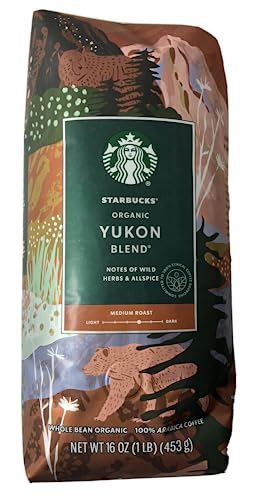
If you want organic Starbucks coffee beans consistently, you might need to check grocery store aisles along with Starbucks’ own packaged coffee section.
For home brewers who want organic coffee, these beans are the most reliable way to get it.
Is the Brewed Coffee in Starbucks Shops Organic?
Here is the part most people never hear clearly. The brewed coffee and espresso served in Starbucks shops are almost never organic.
Even though you might see organic coffee beans on the retail shelf, those beans are not the ones going into the espresso machine or the drip coffee brewer.
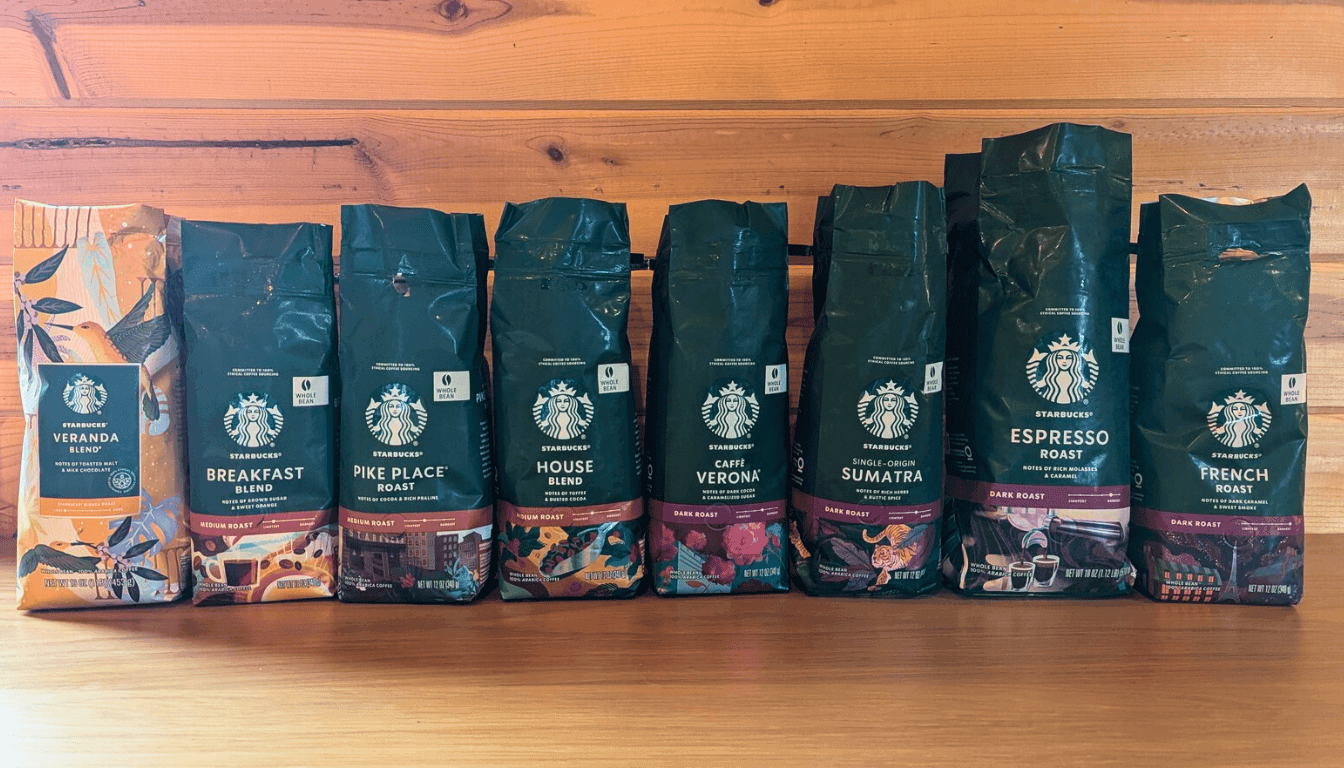
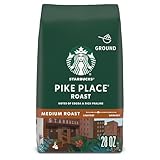
Starbucks operates a massive supply chain. The company buys coffee from many regions to keep blends like Pike Place and Breakfast Blend consistent year round.
Only a small portion of the global supply of coffee beans is certified organic.
That makes it nearly impossible for Starbucks to use organic beans across their daily brewing lineup in every store.
So if you walk into Starbucks and order a cup of coffee, a latte or a decaf coffee, the beans behind the counter are not organic. That is true regardless of whether you prefer dark roast, medium roast or something lighter.
Sustainability vs Organic Certification
One reason people get confused is that Starbucks talks a lot about sustainability, ethically sourced beans and responsible farming.
They work with farmers through a program called They work with farmers through a program called C.A.F.E. that emphasizes fair trade practices. Practices, which focuses on fair pay, transparency, environmental standards and long term quality.
C.A.F.E. Practices help protect farming communities and encourage sustainable practices, but they do not replace organic certification.
A bean can be ethically sourced and still not be organic. Organic coffee requires a separate set of rules focused on farming methods, soil management and the complete avoidance of synthetic chemicals.
Starbucks also collaborates with non profits to improve conditions on farms, support conservation efforts and maintain a long term supply of high quality coffee.
These programs make Starbucks stand out as a large coffee company, but they still do not change the fact that most Starbucks coffee beans are not certified organic.
Why Starbucks Doesn’t Go Fully Organic
If you are wondering why Starbucks does not switch entirely to organic coffee, the answer comes down to supply, cost and farming reality.
Organic farming often produces lower yields, requires more labor and needs long term planning before farms can convert from conventional to organic methods. Many coffee farmers do not have the resources to make that switch.
Starbucks needs huge volumes of beans to supply stores worldwide.
The amount of certified organic beans available globally is far too small to meet that demand. And because organic beans cost more to grow, the price of every cup would increase, which most customers are not expecting.
It also helps to remember that conventional coffee is not automatically low quality. Many of the farms Starbucks supports grow coffee beans with sustainable practices that aim to use fewer chemicals and care for the environment even if the beans themselves are not certified organic.
Certification is simply one path, not the only way to improve farming conditions.
Should You Choose Organic Starbucks Coffee?
If organic matters to you, the answer depends on how you drink your coffee.
If you love making coffee at home, buying Starbucks Organic Yukon or any seasonal organic beans is your best option. You get certified organic beans, full control over grind size and brew method, and a cleaner cup of coffee tailored to your taste.
If you want a fully organic cup of coffee in a Starbucks shop, that is much harder.
Almost all brewed drinks use conventional beans. You can ask if the coffee shops have organic beans available to brew as a pour over, but this is rare and depends entirely on the location.
If sustainability is your priority, Starbucks already invests heavily in responsible sourcing. The focus is on supporting coffee farmers, improving environmental conditions and keeping a long term supply of high quality coffee available.
It is not the same as going fully organic, but it does have a meaningful impact on the coffee industry.

Final Thoughts
So is Starbucks organic? Not in the cup you order in their cafés. The brewed coffee, espresso and decaf are not organic, and that is unlikely to change soon.
But Starbucks does offer organic beans for home brewing, and they follow strict sustainability programs that help farmers and protect the environment.
If you want organic coffee from Starbucks, buy their certified beans and brew coffee at home. If you care most about ethical sourcing and environmental impact, Starbucks is already working toward better farming practices even without organic certification.
And if you simply love a good cup of coffee, you now have the full story to make the choice that fits your routine, your values and your taste.