All products are independently selected by our editors. If you buy something, we may earn an affiliate commission. Learn More >
I’ve been working in coffee for a long time, and every few years something new comes along that makes you stop and pay attention. Sometimes it’s a brewing method. Sometimes it’s a new origin making noise on the competition circuit.
Koji fermented coffee is one of those things, and it’s a little different from most trends because it doesn’t come from the roastery or the café.
It comes from the farm, from a processing method rooted in centuries-old fermentation science that has only recently found its way into the world of coffee.
It sounds like a science experiment, but the results in the cup are hard to argue with.
So, What Is Koji?
Koji is a beneficial fungus with a long history, specifically Aspergillus oryzae, and it sits at the heart of some of Asia’s most beloved foods and drinks.
If you’ve ever had miso, soy sauce, or sake, you’ve already tasted what koji can do. It’s been used in Japan for centuries, which is why it’s earned the nickname “Japan’s national mold.”
What koji does, in practical terms, is saccharify starches. That word sounds complicated, but the idea is simple: koji is a beneficial fungus that produces enzymes to break starches down into sugars and amino acids. Those sugars feed fermentation.
Those amino acids build flavor. It’s the same fundamental chemistry that gives miso its depth and sake its sweetness, and now it’s being applied to coffee.
How Did Koji and Coffee Meet?
The origin of koji coffee is a good story, and it starts with a conversation about cat poop coffee.
Japanese bioscientist Koichi Higuchi, of Higuchi Matsunosuke Shoten in Osaka, a company that produces koji fermentation starters, had a conversation with a coffee-loving friend about Kopi Luwak.
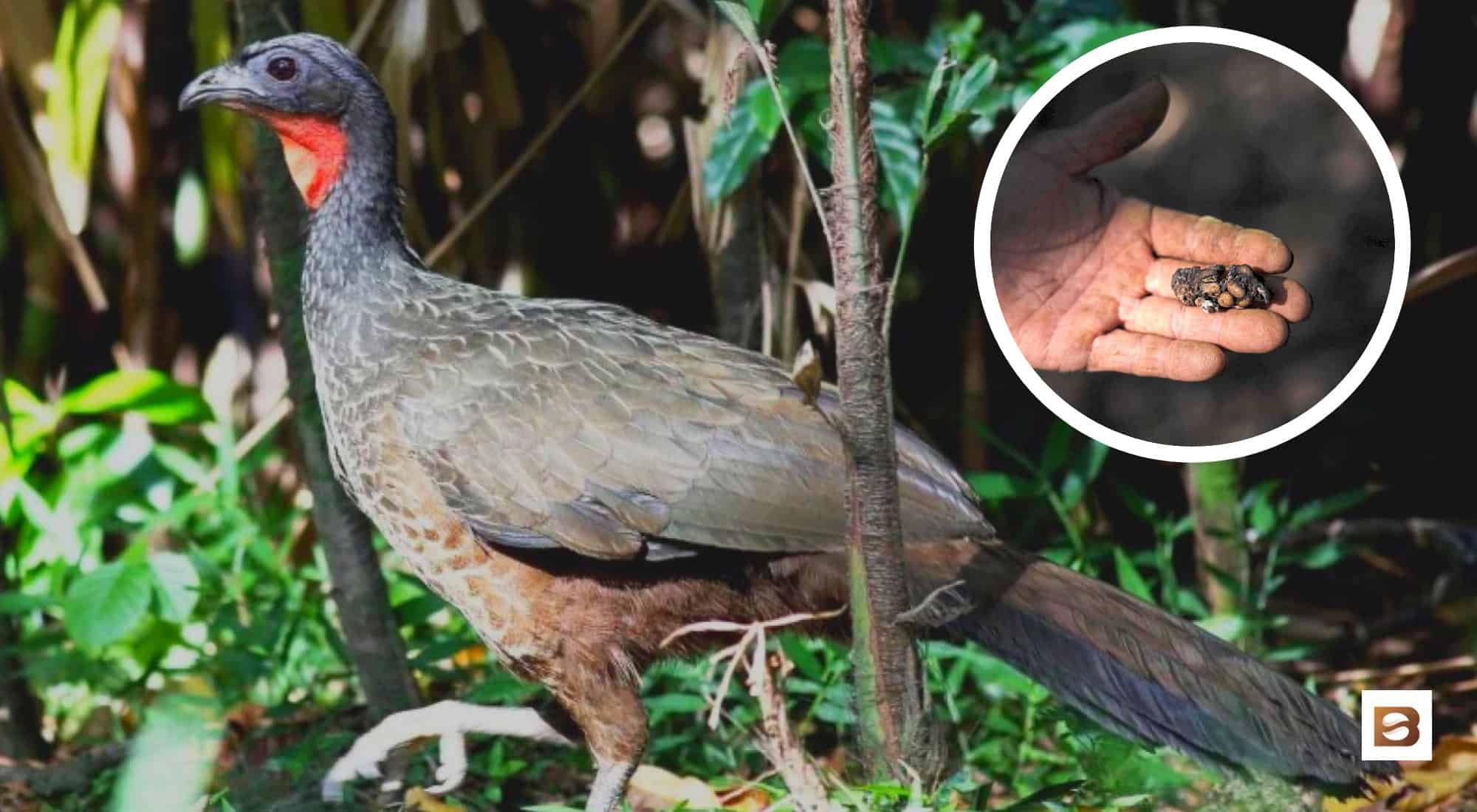
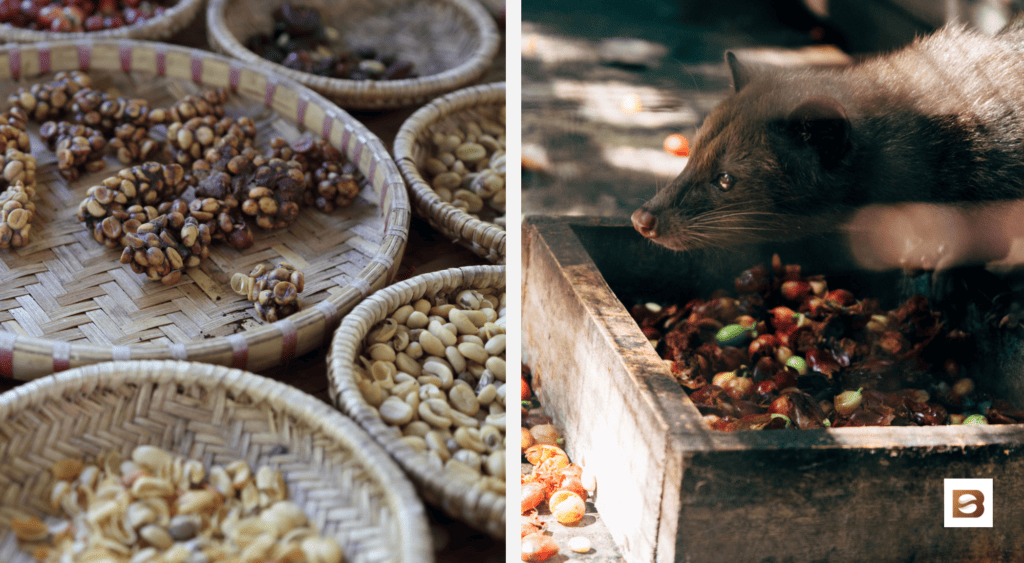
Kopi Luwak is the civet coffee famous for its enzyme-driven fermentation, where the digestive system of the animal does the work.
Higuchi wanted to replicate that enzymatic process in a cleaner, more humane way. He tried sprinkling koji spores on green coffee beans and letting them ferment for a few days.
The green coffee held very little starch, which meant the koji mold had almost nothing to grow on, and the flavor result was too umami-forward to be drinkable.
The breakthrough came when the process was applied to ripe coffee cherries instead. The fruit provided far more for the koji to work with.
Coffee consultant Christopher Feran picked up the research from there, reaching out to Higuchi directly for guidance.
Feran then collaborated with Elias Bayter Montenegro, head of processing at El Vergel Estate in Colombia’s Tolima region and the consulting arm of green coffee company Forest Coffee, to develop the first formal koji coffee process.
Finnish Barista Champion Kaapo Paavolainen brought it to the world stage when he used a koji processed coffee in his 2021 World Barista Championships routine in Milan, and the specialty coffee world took notice.

How the Koji Coffee Process Actually Works
The koji coffee process doesn’t start with coffee at all. It starts with rice.
Because koji needs a starchy medium to grow on, the first step is to steam rice and disperse koji spores across it, culturing the mold until it forms rice koji cakes.
Those cakes are then dried and ground into a fine powder, ready to be applied to the coffee cherries.
Once the ripe coffee cherries are harvested, floated, and separated, the koji powder is spread evenly over the cherries in shallow containers no deeper than around five centimeters to enhance the fermentation process.
Keeping the layers thin matters, because this is an aerobic fermentation and it needs air circulation to work properly.
The fermentation stage runs for between 24 and 72 hours at temperatures of around 25 to 30 degrees Celsius.
During that time, the koji mold breaks down starches into fermentable sugars and produces amino acids, including glutamate, which builds body and structure in the final cup.
After fermentation, the coffee goes into drying silos to reach a final moisture content of around 12.5 to 13 percent. This drying process is managed carefully to stop the cherries from decomposing before they can be milled.
What Does Koji Fermented Coffee Actually Taste Like?
The short answer is heavier, sweeter, and rounder than most coffees you’ve had. Koji fermentation pushes sugar extraction further than conventional methods can, which translates directly into an intense sweetness and a long, satisfying aftertaste.
Body is the other major difference.
The amino acids and glutamates produced during fermentation make the coffee feel fuller on your tongue, closer in texture to a well-pulled espresso than a delicate washed filter.
Tasting notes typically include prune, blueberry, blood orange, and tropical fruit, with a mild savory complexity running underneath.
That savory note is also where opinion splits among coffee drinkers regarding koji coffee beans.
Some coffee lovers find the umami quality captivating, a layer of depth they’ve never encountered in a coffee before.
Others find it unfamiliar, even off-putting.
The Java variety has shown the most favorable response to the koji process, though the original trials on Red Bourbon also produced strong results.
How Koji Fermentation Differs from Standard Coffee Processing Methods
Most coffee goes through some form of fermentation at origin to remove the fruit from the seed.
Traditionally, that means yeast or bacteria doing the work, similar to how wine or beer is made. Those microorganisms produce alcohol, CO2, and organic acids that shape the flavor we associate with washed or natural coffee processing methods.
Koji works differently. It doesn’t produce alcohol or CO2.
Instead it saccharifies, breaking down starches and building amino acids rather than producing the byproducts of bacterial or yeast fermentation.
That’s what makes the koji fermentation process genuinely distinct.
The coffee gains sweetness and body without the sharper acidity or funky notes that can come from more aggressive fermentation conditions.
Koji fermentation is also reported to unlock more of the available sugars in the coffee cherries than conventional methods typically achieve, which is one reason the cup profile reads so differently.
Can You Actually Buy Koji Coffee?
Koji fermented coffee is still rare and mostly limited to specialty roasters with direct producer relationships. El Vergel Estate in Colombian coffee country remains one of the primary sources, and a small number of forward-thinking roasters around the world have managed to secure allocations.
If you find it, expect to pay a premium.
The koji starter itself is expensive, and the labor involved in growing koji on rice, preparing the powder, and managing fermentation conditions adds real cost at the farm level for coffee producers.
Look for processing notes on the bag that reference koji, koji supernatural processing, or koji fermentation. That’s your signal you’ve found the real thing.

Volcanica Coffee Kopi Luwak Coffee – Free Range
Experience the world’s rarest brew. Our 16oz Kopi Luwak, famous from The Bucket List, offers a syrupy, heavy-bodied profile with earthy, sweet notes. This exotic, low-acid coffee comes in a decorative gift box.
Final Thoughts
Koji fermented coffee sits at an interesting crossroads between ancient fermentation knowledge and modern specialty coffee production.
The coffee industry is still working through the details of scalability, strain selection, and commercial availability, but what’s already been produced is worth seeking out.
Whether koji coffee goes mainstream or stays a niche curiosity for coffee lovers and enthusiasts, it has already shown that coffee fermentation still has room to surprise us.