All products are independently selected by our editors. If you buy something, we may earn an affiliate commission. Learn More >
If you think paying $15 for a bag of specialty coffee feels steep, wait until you see what the world’s rarest beans go for.
Some of the most expensive coffee in the world can cost hundreds of dollars per pound, with single cups selling for more than an entire week’s grocery bill.
But what makes a coffee bean so valuable? Is it just hype, or do these brews really offer something unique?
Let’s look at why certain beans command sky-high prices before we dive into the top contenders.
Why Is Some Coffee So Expensive?
Not all coffee beans are created equal. The price of a pound depends on far more than just the roast or where it’s sold. A few key factors push certain coffees into the luxury category:
- Rare processing methods
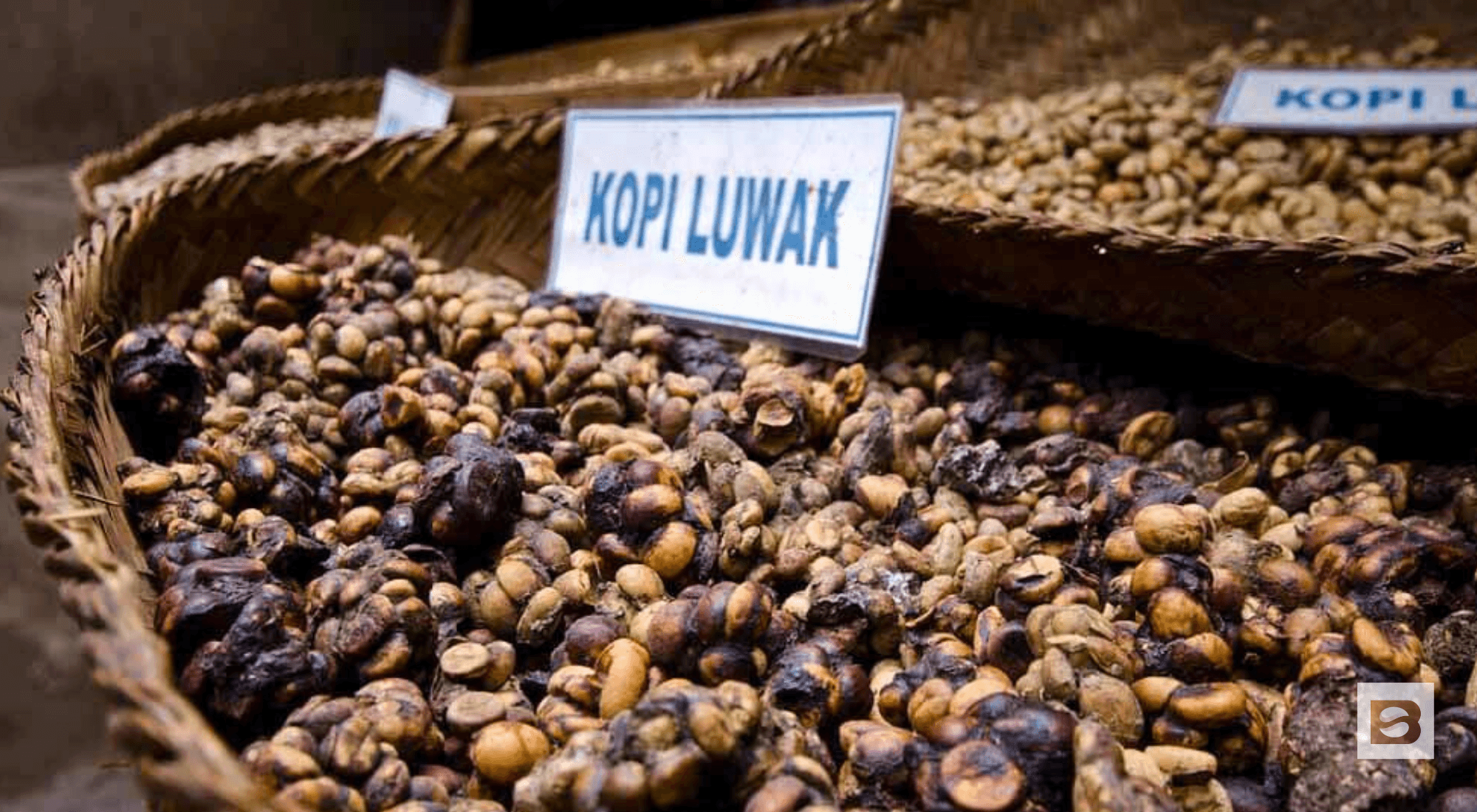
Some coffee cherries pass through the gastrointestinal tract of an animal, like the Asian palm civet in Indonesia or elephants in Thailand, that digest and excrete partially digested coffee beans. Enzymes change the flavor profile, creating unusual sweetness and smoothness. These are marketed as Kopi Luwak coffee and Black Ivory coffee. - Scarcity and limited harvests
Micro-lots from farms in Panama, Guatemala, or El Salvador often produce only a few hundred pounds a year. Small yields mean high demand and higher prices. - Auction prestige
Coffees like Panama Geisha and Finca El Injerto routinely break records at international auctions, with prices soaring into the hundreds of dollars per pound for their unique flavor profiles. Winning the Cup of Excellence instantly boosts a coffee’s value. - Unique growing conditions
Volcanic soil, high altitude, and steady rainfall shape the unique flavor profile of the coffee. St. Helena, Jamaica Blue Mountain, and Hawaiian Kona coffee are prized because their terroir can’t be replicated anywhere else. - Exotic flavor profiles
From jasmine-like florals to chocolatey finishes, these coffees promise more than just caffeine. They offer complexity and tasting notes you won’t find in your average supermarket bag.
For coffee lovers, paying a premium isn’t just about the cup, it’s about the story behind the bean – the place it was grown, the people who produced it, and the rare methods used to bring it to life.
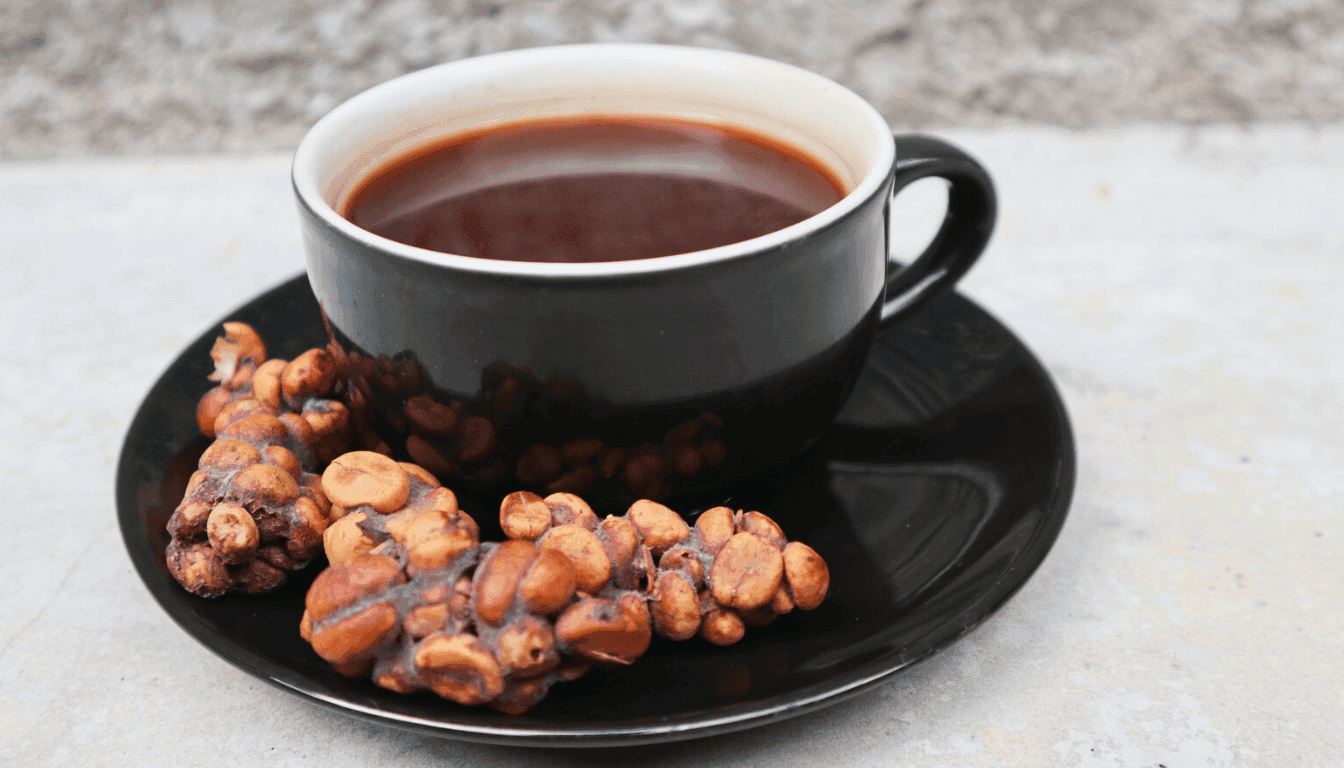
The World’s Most Expensive Coffee Beans (2026 List)
When it comes to the world’s most expensive coffee, the lineup changes slightly from year to year. Prices swing depending on harvest size, rarity, and how much collectors are willing to pay at international auctions.
Certain beans, like Panama Geisha or Finca El Injerto, consistently break records in the specialty coffee scene, while others remain legendary for their unusual production methods.
Here’s a look at the coffees that continue to hold their place among the priciest in 2026, along with what makes each one so unique.
Comparison Table: Most Expensive Coffees
| Coffee | Origin | Price (per lb) | Unique Factor | Flavor Notes |
|---|---|---|---|---|
| Kopi Luwak | Indonesia | $160–600 | Fermented in the digestive tract of the Asian palm civet | Smooth, chocolate, fruit |
| Black Ivory Coffee | Thailand | $500+ | Fermented in elephants’ digestive systems | Earthy, chocolate, spice |
| Panama Geisha (Hacienda La Esmeralda) | Panama | $350–600+ (auction lots $1,000+) | Rare Geisha variety, auction favorite | Jasmine, tropical fruit, tea-like |
| Finca El Injerto | Guatemala | $500+ (auction record) | Tiny Arabica beans grown in magma-derived soil | Floral, fruity, bright tartness |
| Ospina Coffee | Colombia | $120 | Produced by one of Colombia’s oldest coffee families | Caramel, nutty, smooth |
| St. Helena Coffee | St. Helena Island | $75–80 | Historic, remote island origin | Caramel, citrus, spice |
| Jamaican Blue Mountain | Jamaica | $50 | Strict regulation, highly exported to Japan | Mild, smooth, low acidity |
| Hawaiian Kona Coffee | United States | $34–55 | Volcanic soil, limited production area | Chocolate, caramel, smooth body |
| Los Planes Pacamara | El Salvador | $40 | Oversized beans, Cup of Excellence awards | Fruity, berry, medium body |
| Black Blood of the Earth | United States | $40–50 (per bottle) | Cold vacuum extraction, ultra-caffeinated | Bold, low acid, concentrated |
1. Kopi Luwak Coffee (Indonesia)
Price: $160–600 per pound
Known as civet coffee, Kopi Luwak is made from beans eaten and excreted by the Asian palm civet. Enzymes in the gastrointestinal tract alter the beans, producing a smoother, less acidic cup with notes of chocolate and fruit.
Because of its rarity and the labor-intensive collection process, it commands a high price.
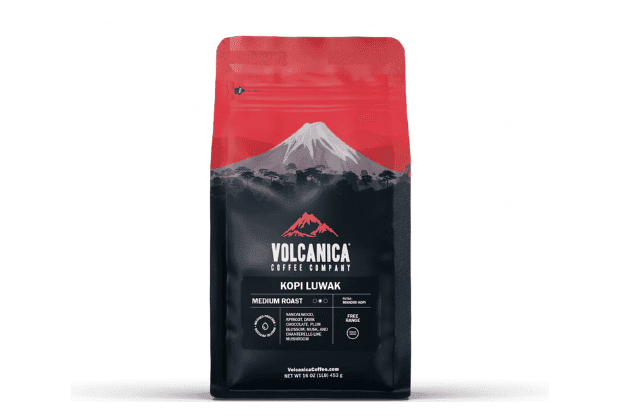
Kopi Luwak Coffee – Free Range Kopi Luwak, 16 oz.
Complex in flavor and a perfect combination of all the pleasurable flavors available in other coffees. Kopi Luwak Coffee is earthy, musty, aromatic, syrupy, sweet, and heavy-bodied. It is also low in acidity and possesses an exotic flavor profile like no other.
Important note: Most Kopi Luwak on the market is produced under cruel caged conditions. If you’re curious to try it, look for certified “wild-sourced” Kopi Luwak only.
2. Black Ivory Coffee (Thailand)
Price: $500+ per pound
Produced in northern Thailand, Black Ivory is made by feeding ripe Arabica cherries to elephants. The beans ferment in the elephant’s digestive system before being collected and roasted. The result is a smooth, earthy cup with chocolate and spice notes.
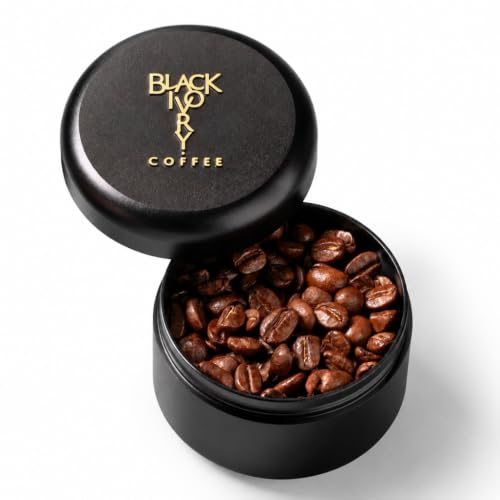
Production is extremely limited – only a few hundred pounds are available each year, which is why it’s considered one of the world’s most expensive coffees.
3. Panama Hacienda La Esmeralda Geisha
Price: $350–600 per pound (auction lots can exceed $1,000)
Panama’s Geisha coffee variety is legendary in the specialty coffee world. First discovered in Ethiopia, it thrives in Panama’s high-altitude farms, especially those owned by the Lamastus family and Hacienda La Esmeralda.
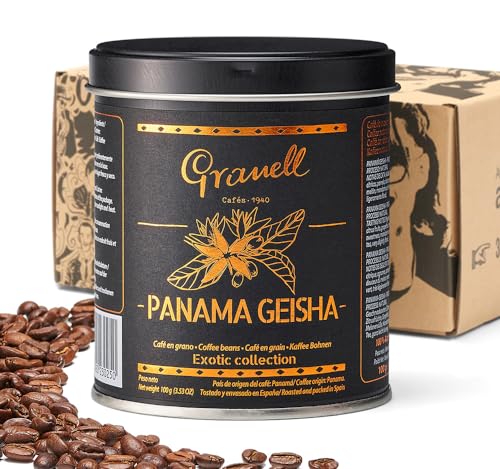
Known for its jasmine-like aroma, tea-like body, and notes of tropical fruit, Geisha frequently breaks auction records. At its peak, select micro-lots of this rare coffee have sold for over $1,300 per pound.
4. Finca El Injerto Coffee (Guatemala)
Price: $500+ per pound (auction record)
Grown on a family-owned farm in Guatemala’s Huehuetenango region, El Injerto is a Cup of Excellence regular. The beans are small but dense, grown in magma-derived soil at high altitude.
Known for floral and fruity flavors with bright acidity, El Injerto fetched $500.50 per pound at auction in 2012 and continues to be one of the most sought-after green coffee varieties.
5. Ospina Coffee (Colombia)
Price: $120 per pound
Produced by one of Colombia’s oldest coffee-growing families, Ospina coffee comes from trees planted in volcanic soil at high altitudes.
With over 200 years of production history, it delivers rich caramel and nutty notes with a clean, smooth finish. Its heritage and limited production make it one of Colombia’s premium offerings.
6. St. Helena Coffee (South Atlantic)
Price: $75–80 per pound
Cultivated on the remote island of St. Helena, this coffee was a favorite of Napoleon Bonaparte, who requested it even in exile. Its isolation makes transport costly, which drives up the price.
St. Helena coffee is prized for its delicate balance of caramel sweetness, citrus brightness, and subtle spice.
7. Jamaican Blue Mountain Coffee
Price: $50 per pound
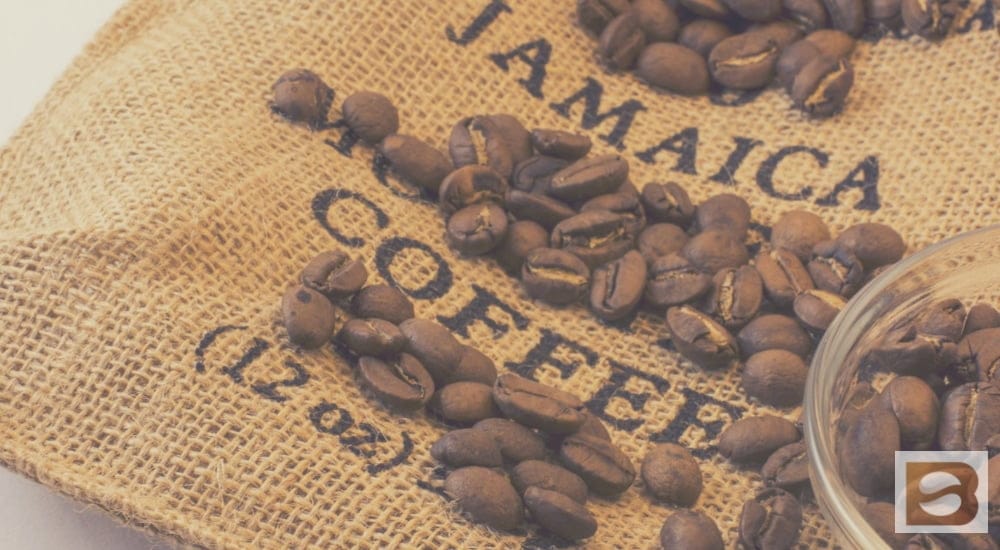
One of the most famous names in high-end coffee, Jamaican Blue Mountain grows at high altitudes in rich volcanic soil. Known for its mild flavor, smooth body, and low acidity, it’s highly prized in Japan, which imports the majority of the crop.
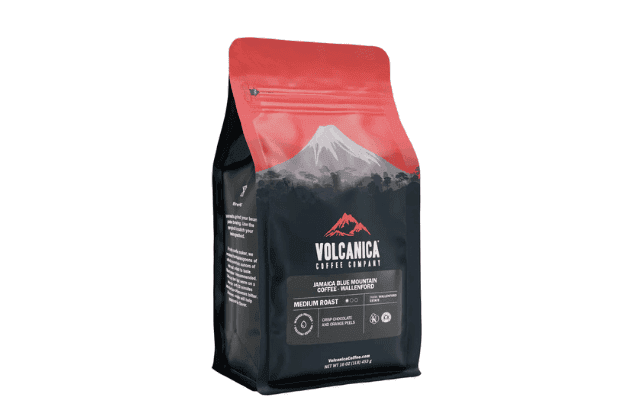
Jamaican Blue Mountain Coffee Beans – Wallenford
Jamaican Blue Mountain Coffee Beans from Wallenford have a full flavor, nice balance, prominent fruit flavors, and light acidity. It provides all the satisfaction one could want with a strong and intense aroma.
While often imitated, authentic Blue Mountain coffee remains expensive due to limited supply and strict regulation.
8. Hawaiian Kona Coffee (United States)
Price: $34–55 per pound
Grown on the volcanic slopes of Hawaii’s Big Island, Kona coffee is one of the few specialty beans produced in the United States. Its limited growing area and labor costs keep prices high.
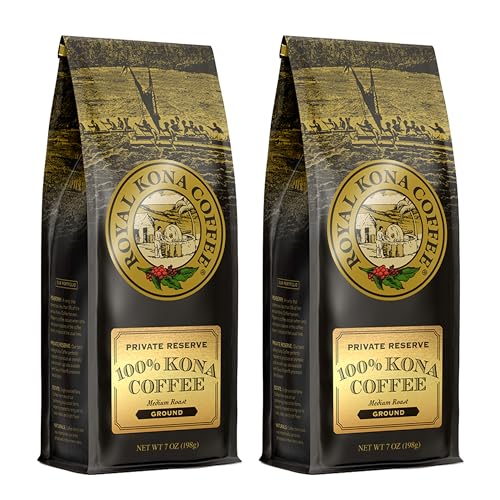
True Kona offers a smooth, rich cup with chocolate and caramel notes, though blends containing only a small percentage of Kona are far more common on store shelves.
9. El Salvador Los Planes Pacamara
Price: $40 per pound
The Pacamara variety, known for its oversized beans, was developed in El Salvador in the 1950s. Los Planes farm gained fame when its coffee scored 93.52 points and took second place in the 2006 Cup of Excellence.
It offers a medium body with fruit-forward notes of melon, raisin, and berries.
10. Black Blood of the Earth (United States)
Price: $40–50 per bottle
This isn’t a single-origin bean but a unique cold vacuum extraction created by physicist Philip Broughton. The method removes nearly all acidity while concentrating caffeine, making it 20–40 times stronger than a regular brew.
While unconventional, it has become a cult favorite among extreme coffee drinkers willing to pay a premium for its intensity.
Is Expensive Coffee Worth the Price?
So, is dropping hundreds of dollars on a pound of beans really worth it? The honest answer depends on what you’re looking for in your daily cup.
For most coffee drinkers, a well-roasted high-end coffee from a trusted local roaster can taste incredible without the eye-watering price tag. You don’t need Kopi Luwak or Panama Geisha to enjoy a chocolatey, balanced brew at home.
Where the world’s priciest coffee stands out is in rarity and experience. A cup of Black Ivory coffee or a micro-lot Panama Geisha isn’t about caffeine, it’s about trying something that very few people ever will. It’s a once-in-a-lifetime tasting experience, like sipping a rare vintage wine.
The flavor difference: Expensive beans can be more complex, with floral, fruity, or tea-like notes you won’t find in regular coffee. But the difference is subtle – you won’t suddenly taste something unrecognizable, just a heightened version of what you already enjoy.
The story: Much of the appeal comes from the journey behind the bean – whether it’s grown on volcanic ash soil, fermented by an animal, or breaking records at an auction.
The value: If you’re a coffee enthusiast who loves the adventure of trying rare beans, then yes, it’s worth the splurge at least once. If you just want a reliable morning brew, your money is better spent on freshly roasted specialty coffee from a local roaster.
At the end of the day, expensive coffee is less about replacing your daily bag of beans and more about crossing something off your bucket list.
Final Thoughts
The world’s most expensive coffee isn’t just about caffeine in a cup; it’s about rarity, craftsmanship, and the stories behind each rare coffee bean.
From civets in Indonesia to elephants in Thailand, from Panama’s record-breaking Geisha auctions to the volcanic slopes of Hawaii, every one of these coffees offers something unique.
Do you need to spend $500 a pound to enjoy good roasted coffee at home?
Absolutely not.
A freshly roasted bag from a quality roaster will give you amazing flavor without emptying your wallet. But if you ever get the chance to try one of these rare beans, it’s worth it for the experience alone.
For most of us, expensive coffee is less about daily drinking and more about curiosity. It’s the chance to taste a piece of history, terroir, and tradition – luxury in a cup, even if it’s just once in a lifetime.