All products are independently selected by our editors. If you buy something, we may earn an affiliate commission. Learn More >
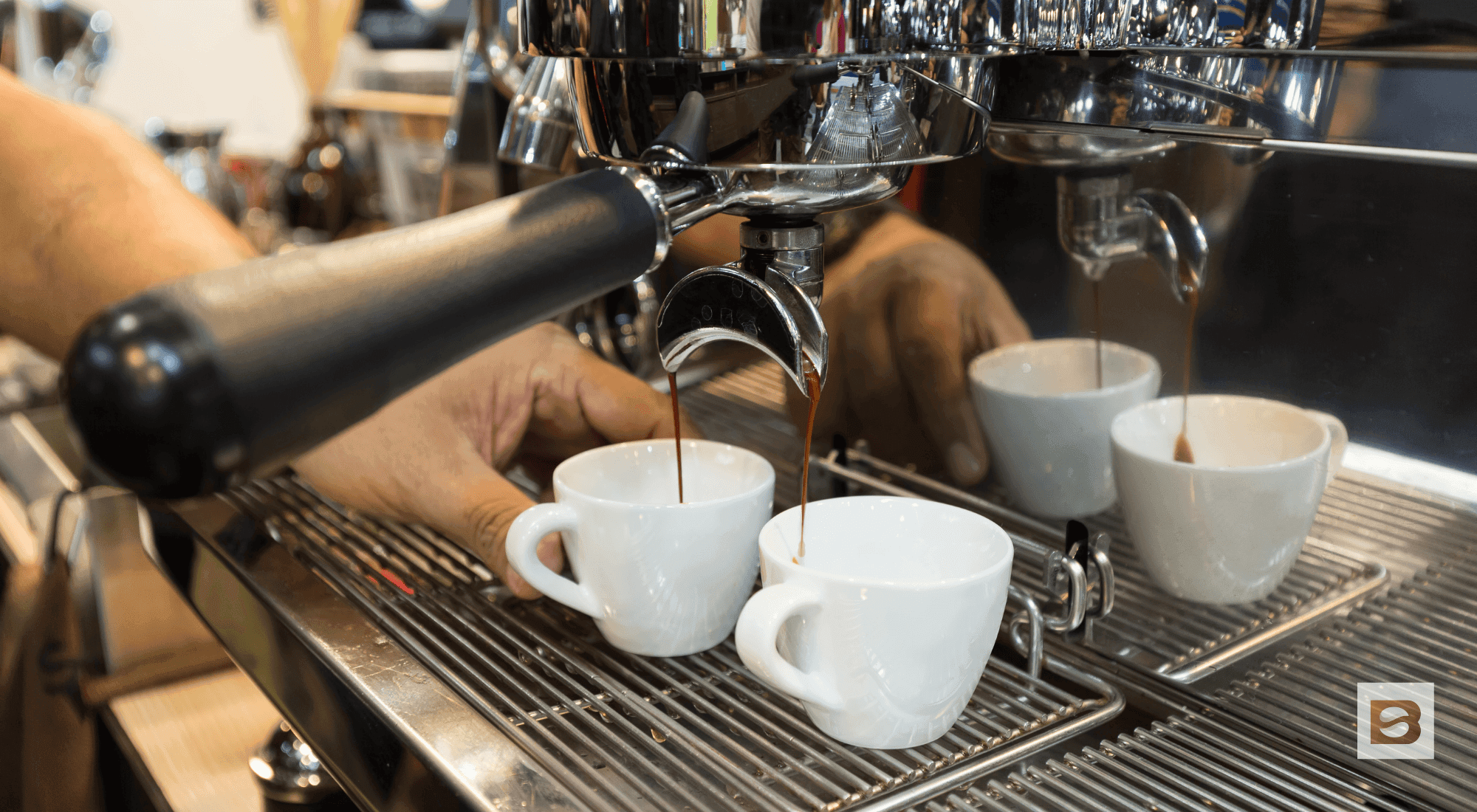
If you are shopping for your first real espresso machine, this is one of the first crossroads you hit. Should you buy a boiler espresso machine or a thermoblock machine, and does it make any difference in the cup?
It makes a huge difference, but not in the way most people expect. The heating system quietly shapes how your machine heats water, how stable your brewing temperature is, and how smooth your daily workflow feels.
If you have ever pulled a thin sour shot one morning and a sweet balanced one the next, the heating system probably played a part in that inconsistency.
Let me walk you through both designs in plain language so you can match the machine to your actual home coffee routine.
How Espresso Machine Heating Systems Work
Every espresso machine has one job at its core. Heat water to a stable brewing temperature and keep it there throughout the entire shot. Water flow and pressure matter too, but without consistent heat your espresso will taste different from shot to shot.
At the simplest level, a machine can heat the water in two ways.
It can use a boiler, which stores a larger amount of water and maintains a set temp. This is the traditional boiler approach you see in many home espresso machines and nearly all commercial machines.
Or it can use a thermoblock or thermocoil, which heats water on demand as it flows through a heated metal block or coil.
Both designs can brew espresso. The difference is in temperature stability, steam power for frothing milk, warm up time, and how the machine behaves under real life conditions.
What Is a Boiler Espresso Machine
A boiler espresso machine uses a sealed boiler system to heat water. The boiler is heated to a specific temperature and keeps a larger volume of water ready for brewing and steaming.
When you brew espresso or steam milk, you draw hot water or steam from this main boiler.
There are three familiar boiler designs in home coffee gear.
A single boiler machine uses one boiler for both brewing and steaming. You brew espresso at a lower temp, then the boiler is heated to steam temperature so you can steam milk.
You cannot brew and steam at the same time, and you sometimes wait between steps for the temp to settle.
A heat exchanger machine uses a steam boiler for steam and a separate heat exchanger tube for brew water. Brew water flows through this tube and picks up heat from the steam boiler.
You can brew and steam at the same time, although you sometimes need a small cooling flush to stabilize the brewing temperature.
A double boiler machine has one boiler dedicated to brewing and another steam boiler dedicated to steaming milk. Each boiler usually has its own PID controller, so water temperature is more stable.
This is the setup you find in serious home coffee stations.
The strength of all boiler systems is temperature stability.
Once the boiler is heated, it holds that brewing temperature well. Boilers also provide stronger steam power because the steam boiler stores a larger volume of water and heat.

The downside is warm up time and energy use. A boiler takes longer to reach temp and longer to cool down, so it is not ideal if you want quick espresso with zero waiting.
What Is a Thermoblock Espresso Machine
A thermoblock machine heats water a different way.
Instead of storing hot water, it pumps cold water through a heated metal block. This metal block or coil transfers heat into the water as it flows through. The volume of water inside the block is tiny, which is why thermoblocks heat fast.
Thermoblock systems are also found in many compact home espresso machines. Some machines use a thermocoil instead, where water travels through a coiled tube wrapped with a heating element.
Both designs follow the same idea, heat the water as it moves.
The big advantage is speed.
A thermoblock machine is ready to brew espresso in a short time. You can turn it on, grind your beans, and brew coffee without waiting for a boiler to heat a large amount of water.
The weak point is temperature stability. Cheap thermoblocks can overshoot or dip in water temperature, especially at the start of a shot.
They also lack the stored heat that a boiler provides, so steam power can be weak if you make milk drinks often.

Modern machines with high quality thermoblocks or thermocoils are better controlled. A good thermoblock machine can match or beat a basic single boiler for espresso, especially when paired with a PID and good design.
The key is choosing a good thermoblock machine, not the cheapest one on the shelf.
Boiler vs Thermoblock vs Regular Boiler: Real Differences You Will Notice
The easiest way to compare boiler vs thermoblock is to focus on what you will notice every single day as you brew coffee at home.
Specs look impressive, but your routine tells the truth.
A regular boiler heats a larger amount of water and holds it at a steady temperature. If you pull two or three espresso shots in a row, the brewing temperature stays close to where it should be.
That stability is why people love boiler machines, particularly for pulling an espresso. You get predictable shots and strong steam power because the boiler stores a serious amount of heat.
A heat exchanger boiler behaves a little differently.
You still get a dedicated steam boiler, but your brew water passes through a heated tube inside it. In real use, it gives you great steam and lets you brew and steam together.
It can run a bit hotter if it sits too long, so a quick flush usually brings the water back into the right range.
A thermoblock espresso machine works in the opposite way.
Instead of storing hot water, it heats water on demand as it moves through a small metal block, a feature of thermoblock heating.
This gives you very fast start up and quick switching between brewing and steaming.
For one or two drinks, that speed feels great. The trade off is that the temperature can drift on cheaper thermoblocks, and steam power is usually lower because there is no big boiler behind it.
If you make milk drinks often, a regular boiler or a heat exchanger will feel smoother and more powerful. You will steam milk quicker, and your shots will stay consistent through multiple rounds.
If you mostly drink straight espresso or brew coffee for one or two people, the quick heat cycle of a good thermoblock machine can make your mornings easier.
It is fast, simple, and more than capable of making tasty espresso when paired with a good grinder.
Look at how you actually brew at home, especially when considering thermoblock vs boiler systems. Your routine will tell you exactly which heating system fits your kitchen better than any spec list ever will.

Boiler Types Explained in Simple Terms
Once you lean toward a boiler heating system, you will see different types of boilers listed. These affect how the machine brews, steams, and recovers between shots.
Here is the simplest way to understand them.
- A single boiler is the most compact. It works fine if you brew espresso most of the time and steam milk occasionally. You cannot brew and steam simultaneously.
- A heat exchanger uses a steam boiler for steam and a separate tube for brew water. This design allows you to brew espresso and steam milk at the same time and offers stronger steam power than a single boiler.
- A double boiler gives you full control. One boiler is heated to the ideal brewing temperature and the other boiler is optimized for steaming milk. This makes temperature stability excellent and workflow smooth. It also costs more and uses more space.
For most home coffee lovers, a good single boiler or heat exchanger is enough unless you make several milk drinks every morning.
Boiler vs Thermoblock Comparison
Choosing between a boiler machine and a thermoblock machine gets much easier when you see how each one behaves in real life.
This quick table gives you a snapshot of the practical differences that matter when you brew coffee at home.
| Feature | Boiler System | Thermoblock System |
|---|---|---|
| Warm up time | Slow | Very fast |
| Temperature stability | Very stable | Varies with quality |
| Steam power | Strong, sustained | Weaker unless dual thermoblock |
| Brew and steam together | Yes on HX and double boiler | Yes on dual thermoblock models |
| Shot consistency | High | Good on higher end thermoblocks |
| Energy use | Higher, heats a full boiler | Lower, heats on demand |
| Footprint | Larger | Compact |
| Best for | Frequent milk drinks, multiple coffees | Fast one or two drinks, small setups |
When a Good Thermoblock Machine Is the Smarter Choice
Thermoblocks get a bad reputation because the cheapest machines often use basic parts. But a good thermoblock machine can be the perfect fit if you value convenience and speed.
You may be better off with a thermoblock machine if:
- You only make one espresso shot at a time and rarely steam milk.
- You want a compact coffee machine that heats water fast.
- You like dialing in your espresso and want responsive temperature control.
- You want to upgrade your coffee without spending boiler machine money.
Some machines use dual thermoblock systems. One block heats water for espresso and the other steam block handles milk.
This design lets you brew and steam simultaneously without a traditional steam boiler.
A good thermoblock machine often beats a poorly built boiler machine. Quality matters more than the heating system alone.
Match the Machine to Your Home Coffee Routine
Here is the part most guides skip. Think about how many drinks you make and how often you steam milk.
If you mostly brew a single espresso shot each morning, either heating system works. A good thermoblock machine may feel more enjoyable because of the speed.
If your household makes latte or flat white every day, a boiler system will feel more powerful. The steam boiler will give you strong, steady steam for silky milk.
If you brew and steam for two or more people at a time, a heat exchanger or double boiler becomes a real advantage.
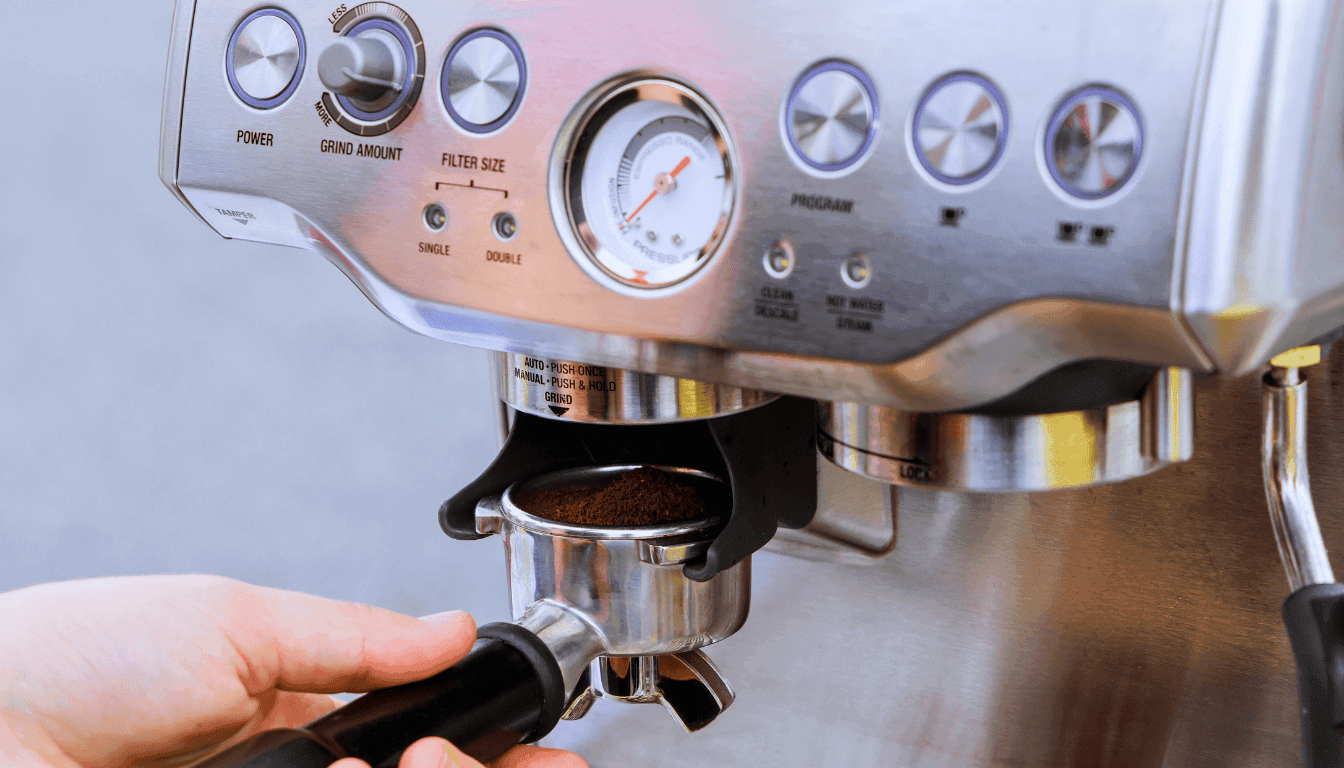
If you want to upgrade your coffee long term, consider your grinder first. Even the best espresso machine cannot fix poorly ground coffee.
Once the heating system fits your workflow, your grinder and beans will make the biggest difference in the taste of your espresso shot.
Final Thoughts
Choosing between a boiler espresso machine and a thermoblock machine is not complicated once you connect the design to your routine.
Boilers provide stability, strength, and smooth workflow for milk drinks. Thermoblocks deliver speed, convenience, and a small footprint for everyday home coffee.
There is no one perfect machine like the ads you see suggest. The perfect choice is the one that fits how you brew espresso at home and how much steam power you really need.
If you keep your focus on heat, workflow, and taste, you will end up with a machine that makes you excited to brew coffee every single morning.