All products are independently selected by our editors. If you buy something, we may earn an affiliate commission. Learn More >
If you’re shopping for a Hario V60 dripper, you’ve probably noticed it comes in a few different materials – the most common being plastic and ceramic.
They look almost identical, but they don’t brew quite the same. The difference isn’t just about taste, it’s about heat, weight, and how each material behaves during your pour over.
In this guide, I’ll break down the Hario V60 plastic vs ceramic debate – what sets them apart, how they perform in real brewing conditions, and which one I’d recommend for your setup.
But here’s a brief overview if you don’t have much time.
Quick Verdict
- Plastic V60: Lighter, tougher, cheaper, and surprisingly great at holding brewing heat.
- Ceramic V60: Heavier, more elegant, needs proper preheating but delivers smoother, balanced coffee.
The real difference? Your technique and environment matter more than the material.
The Key Differences That Change Your Pourover Brew
Different V60 dripper materials handle heat in their own way, and that’s what shapes how your coffee extracts.
It’s not just about looks or price – the way a material holds or releases heat affects everything from flavor clarity to how evenly your brew drains.
Understanding these differences will help you get the most out of whichever Hario V60 you choose.
Thermal Mass and Heat Retention
The ceramic V60 has a higher thermal mass, which means it needs more energy to heat up. If you don’t preheat it, it’ll pull heat from your water, cooling the slurry and hurting extraction.
The plastic V60 has a lower thermal mass – it warms quickly and doesn’t steal heat from your brew.
As this Home-Barista taste test points out, consistent heat is key for light roasts, and I tend to agree. You can taste the difference when your brew runs cooler than intended.
Conductivity and Insulation
Ceramic is more conductive, while plastic is more insulating.
That means ceramic loses heat faster until it’s fully warmed, while plastic traps more heat inside the coffee bed, keeping the slurry stable from start to finish.
Weight and Durability
The plastic dripper is nearly indestructible, which makes it ideal for travel or clumsy mornings. The ceramic one feels more premium but is heavier and breakable.
If you brew outside, move between home and work, or just want peace of mind, plastic is easier to live with.
Aesthetic and Feel
The ceramic V60 wins on looks. It has that classic café charm – glossy, solid, and satisfying to hold.
Plastic feels more utilitarian, but many baristas prefer it for daily use because it’s consistent, quick to set up, and easy to clean.
The Case for Plastic V60
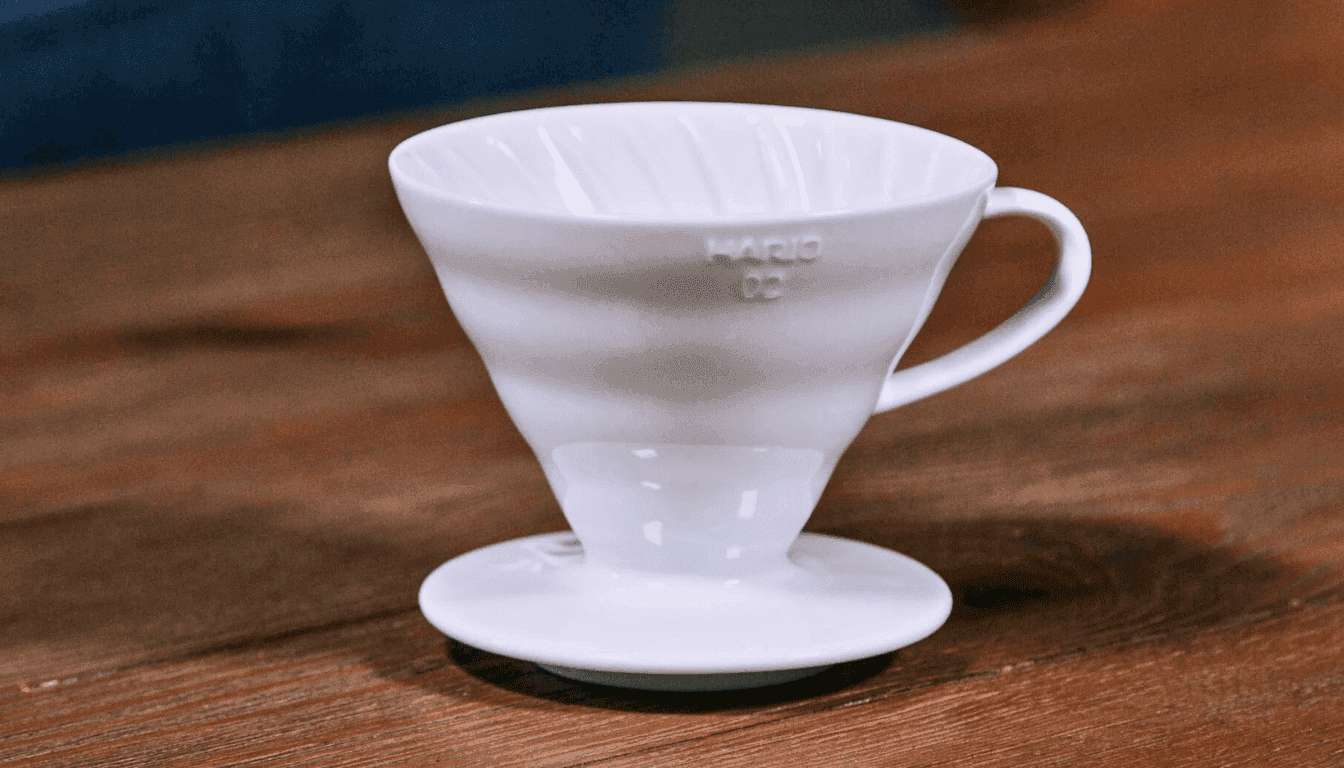
The plastic V60 doesn’t get enough credit. It’s the quiet favorite of many baristas and home brewers because it’s affordable, consistent, and practically unbreakable.
Hotter Slurry, Less Fuss
Plastic’s biggest advantage is its heat stability. It doesn’t absorb heat from your brewing water, so your slurry temperature stays higher and more consistent throughout the pour.
Durable and Affordable
You can drop it, pack it, or toss it in a suitcase without worry.
It’s lightweight and costs a fraction of the ceramic model, which makes it ideal for beginners or anyone brewing away from home.
Save your money for good beans and a proper grinder – those upgrades make a bigger impact on your cup.
If you’re still using a blade grinder, check out my guide to the best manual coffee grinders for more consistent results.
Flavor and Feel
Expect a clean, bright cup with the plastic V60. It highlights acidity and clarity, especially in lighter roasts. If you’re curious what that brightness really means, I break it down in my coffee acidity guide.
Some people find it lacks the “ceremonial” feel of ceramic, but in pure brewing terms, it’s just as capable.

The Case for Ceramic V60
If the plastic V60 is the workhorse, the ceramic V60 is the showpiece.
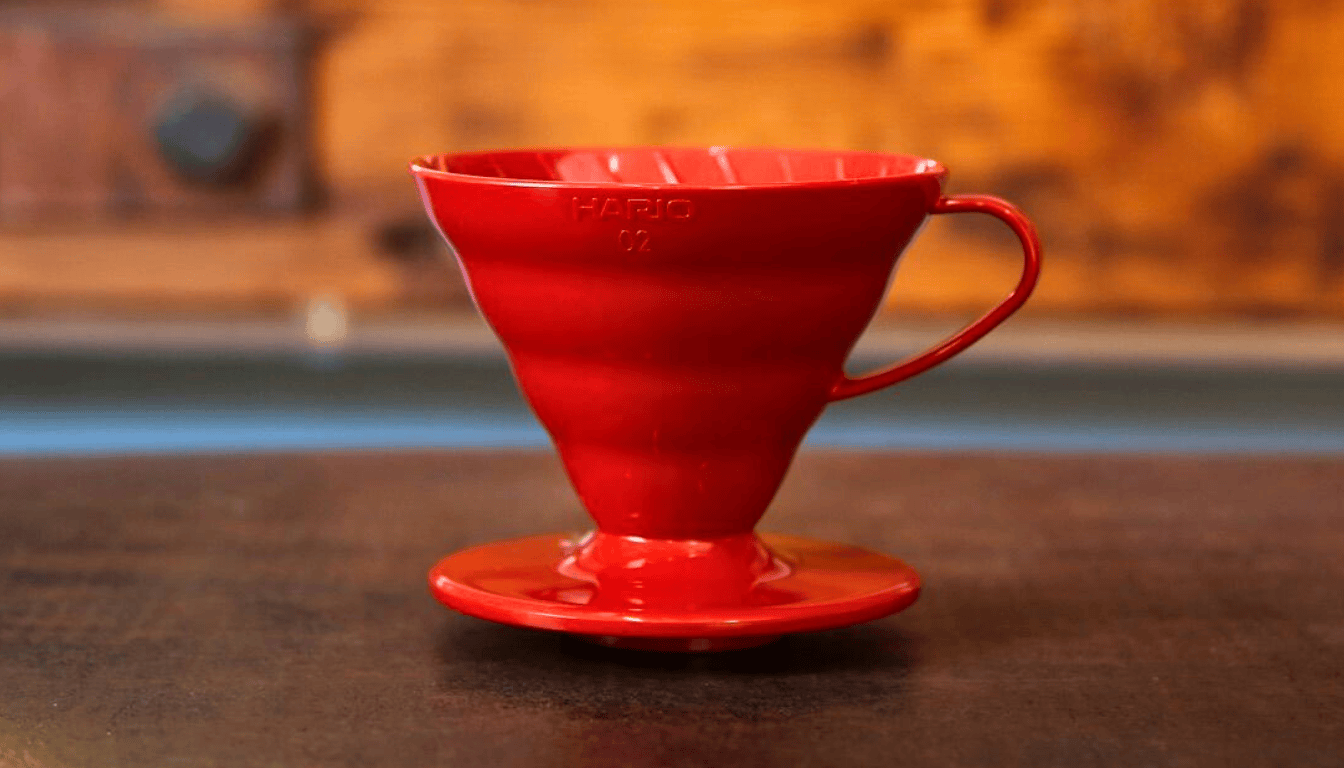
It’s beautiful, weighty, and a staple in many cafés – the Hario V60 ceramic dripper behaves differently once heated compared to its plastic counterpart.
Built for Heat Retention (If You Preheat It)
The ceramic dripper has more thermal mass, so it takes longer to warm up but holds that heat well once it’s ready. That stability helps keep the slurry temperature consistent during slow, controlled pours.
The right water temperature also makes a big difference – here’s my guide to the best water for coffee if you want to dial that in perfectly.
Premium Feel and Balanced Flavor
The ceramic V60 feels like part of the ritual. The extra weight and smooth glaze add to the brewing experience. Flavor-wise, it leans toward smoothness and body, especially in medium or dark roasts.
As baristas have pointed out on Home-Barista, ceramic drippers “feel more forgiving” during slow brews – and my testing backs that up. Once preheated, the temperature curve stays remarkably stable.
Trade-Offs
Ceramic is heavier, more fragile, and typically costs double. But for home use, the balance of performance and aesthetic makes it worth it if you enjoy slow, deliberate brewing.

Side by Side: What You Actually Taste
Here’s what real-world testing and side-by-side brews reveal about the Hario V60 plastic vs ceramic.
The differences aren’t dramatic, but they’re real enough that you’ll notice them once you start paying attention.
| Feature | Plastic V60 | Ceramic V60 |
|---|---|---|
| Heat Retention | Excellent from start (no preheat) | Excellent once preheated |
| Flow Rate | Slightly faster, brighter cup | Slightly slower, smoother cup |
| Flavor Profile | Crisp, clean, lively | Round, balanced, full-bodied |
| Ease of Use | Very forgiving | Requires warm-up & patience |
| Durability | Tough, travel-friendly | Fragile, home use only |
For medium and dark roasts, the ceramic V60 often wins once preheated, giving a smoother, more rounded flavor and a softer mouthfeel.
As users on Home-Barista noted, ceramic brews feel “more cohesive” – and I tend to agree.
The bottom line?
Technique matters more than material, but the plastic V60 gives you an advantage in quick, hot brews, while the ceramic version rewards slower, deliberate brewing.
Practical Tips to Get the Best From Each
Once you know how each V60 material behaves, the rest comes down to technique.
A few small adjustments to your prep, pour, and cleanup can make either the plastic or ceramic V60 perform at its best- especially when you combine it with accurate measurements from a good coffee scale.
Preheat Smartly: If you’re using ceramic, pour boiling water through the dripper and filter before brewing.
This stabilizes the thermal mass. The plastic one only needs a quick rinse to remove paper taste. No full preheat required.
Adjust Your Pour: Ceramic retains heat once warmed, so you can slow your pour to enhance sweetness and body. Plastic stays hot naturally, so keep a steady rhythm for bright, lively brews.
Cleaning and Care: Plastic can stain – use a soft sponge and mild detergent. Ceramic doesn’t stain as easily but can crack with temperature shock, so avoid rapid hot-to-cold rinses.
Match the Dripper to Your Routine:
- Daily use or travel? Go plastic.
- Slow weekend mornings? Go ceramic.
- Brewing outdoors? Definitely plastic.
- Home setup and aesthetic brewing corner? Ceramic all the way.
Which One Should You Pick?
It really depends on your brewing style and environment.
Choose Plastic If…
You want consistency, portability, and value. It’s tough, easy to use, and keeps your slurry hot without effort, especially when pre-heated.
Many baristas swear by it for its practicality – and I tend to agree. It’s the V60 I reach for most mornings.
Choose Ceramic If…
You enjoy a slower, more mindful brewing experience. Once warmed, it delivers beautifully balanced, smooth coffee and looks great doing it.
If you can, keep both.
I use plastic for quick weekday brews and ceramic for those quiet weekend sessions where the ritual matters as much as the coffee.
Other Materials to Consider
While plastic and ceramic are the most common choices, Hario also makes glass and metal V60 drippers, each with its own strengths and quirks.
These versions aren’t just aesthetic variations – they behave differently when it comes to heat, durability, and flavor balance.
If you’re still figuring out which V60 suits your brewing style best, it’s worth knowing how these other materials stack up.
Glass V60
The glass V60 sits somewhere between the two in performance. It warms quickly, looks stunning, and lets you watch your coffee brewing in real time.
It’s fragile, though, and better suited for careful home brewers. I’ve used it occasionally when serving guests.
Metal V60 (Stainless Steel or Copper)
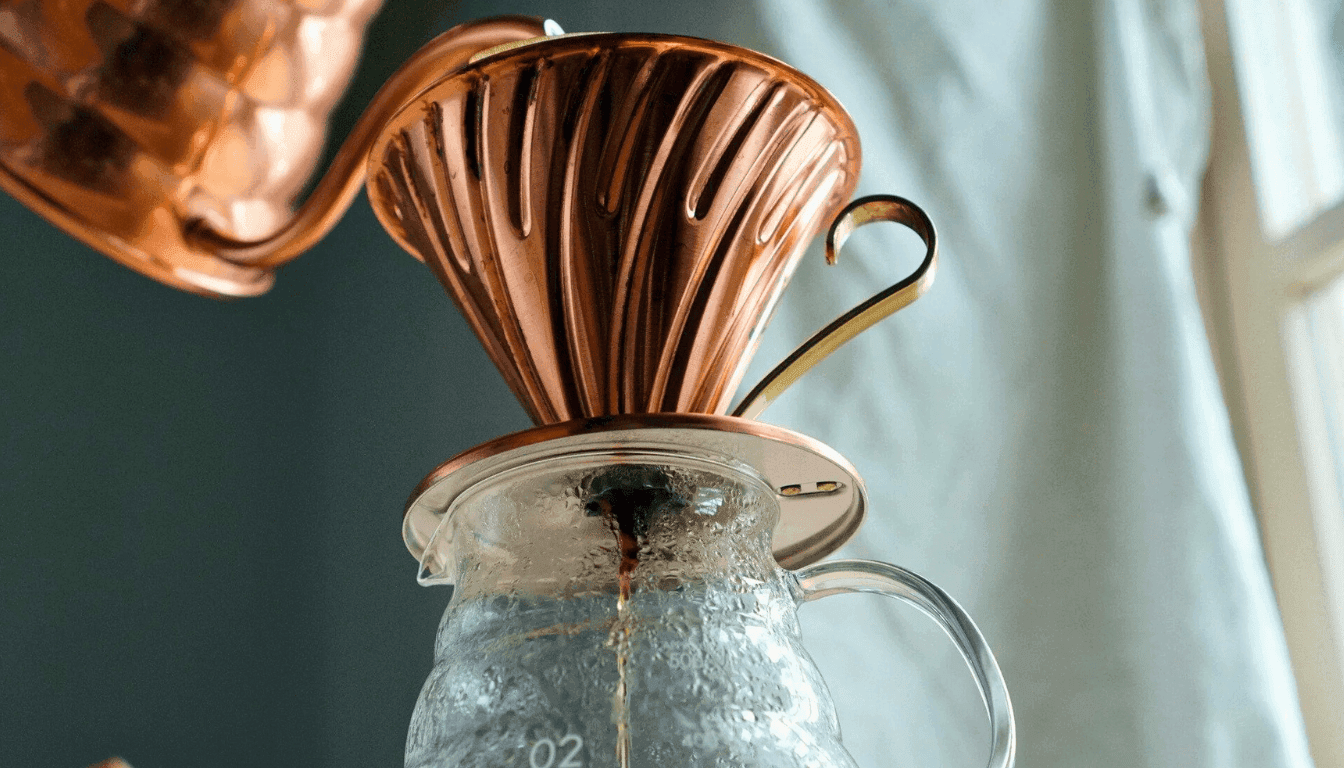
The metal V60s, especially the copper version, are durable and extremely conductive. They heat fast and hold that heat through the brew.
My testing backs this up – metal versions deliver bold, rich cups but need careful control of water temperature.
Go too hot, and you risk over-extraction.
Comparison Table: All Hario V60 Materials
| Material | Heat Retention | Durability | Ease of Use | Flavor Profile | Best For |
|---|---|---|---|---|---|
| Plastic | Moderate (stable from start) | Excellent | Very easy | Bright, clean | Everyday brewing, travel |
| Ceramic | High (after preheat) | Fair | Moderate | Smooth, balanced | Home brewing, ritual use |
| Glass | Medium | Fragile | Easy | Clear, delicate | Visual brewers, serving guests |
| Metal (Copper/Stainless) | Very high | Excellent | Moderate | Bold, intense | Advanced brewers, café setups |


Final Thoughts
Both the plastic and ceramic Hario V60 drippers can make world-class coffee. The material changes the brew slightly, but your technique makes the real difference.
If you want something lightweight, durable, and consistent, the plastic V60 is unbeatable for everyday brewing. If you prefer a more deliberate, café-style ritual, the ceramic V60 rewards you with stability, balance, and beauty.
Either way, focus on the fundamentals – grind size, water temperature, and pour control. That’s what separates good coffee from great coffee.
And whichever V60 you choose, it’s still one of the most satisfying, affordable ways to brew truly exceptional coffee at home.