All products are independently selected by our editors. If you buy something, we may earn an affiliate commission. Learn More >
You wake up craving a quick caffeine fix, open your cupboard, and find two jars that look almost identical: one says “instant coffee,” the other “instant espresso.” They both look like fine brown powder, but can you really use them the same way?
Not quite.
While they might seem interchangeable, instant espresso and instant coffee are made differently, taste different, and serve very different purposes.
Knowing when to use each one can improve your morning brew or even take your chocolate cake to the next level.
Let’s break it down.
What Is Instant Coffee?
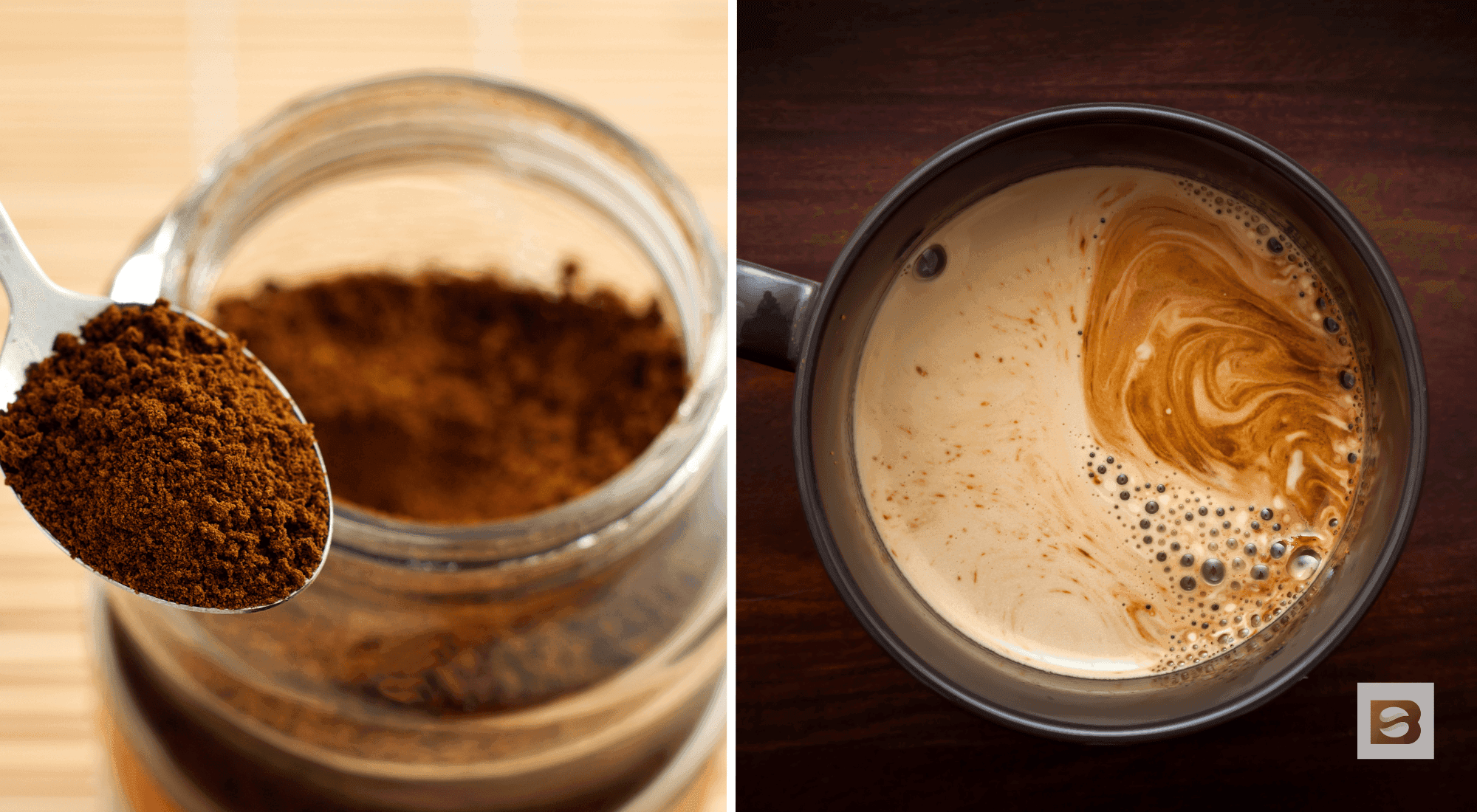
Instant coffee is exactly what it sounds like – coffee that’s ready in an instant. It’s made by brewing ground coffee beans into a concentrated liquid, which is then dehydrated using either spray-drying or freeze-drying methods.
What’s left behind is a powder or granule that you can dissolve in hot water to make a quick cup.
Most brands use robusta beans, known for their strong flavor and higher caffeine content, though some blends use arabica for a smoother taste.
The result is a cup of coffee that’s convenient, affordable, and decent enough when you’re short on time.
Instant coffee has come a long way since its bland early days. Modern brands roast their coffee more carefully, offering a flavor profile that’s closer to freshly brewed coffee.
Still, it’s usually milder and less complex than what you’d get from grinding your own beans and pulling a fresh shot of espresso.
You’ll often find instant coffee in powdered form for easy use in drinks, baking, and even savory recipes that need a rich, roasted kick.
What Is Instant Espresso (and Espresso Powder)?
Instant espresso, sometimes labeled as espresso powder, is made from brewed espresso that has already been concentrated, dried, and finely ground into powder form.
Because espresso powder is more concentrated and made from dark roast coffee, it delivers a deeper, more intense flavor with less bitterness than regular coffee grounds.
Unlike instant coffee, instant espresso isn’t just used for drinking. It’s a secret weapon in baking and cooking.
A teaspoon of espresso powder in brownies or chocolate cake adds a subtle bitterness that enhances the chocolate flavor without making the dessert taste like coffee.
That’s why pastry chefs like Adriano Zumbo often recommend blending a little espresso powder into desserts for a “nice bitter edge.”
So while you can mix instant espresso with hot water for a quick espresso-style drink, its real strength lies in baking and flavoring recipes where a concentrated coffee flavor is needed without adding too much liquid.
Instant Coffee vs Instant Espresso: Key Differences
At first glance, both products look similar.
But when it comes to flavor and strength, the difference between espresso powder and instant coffee is obvious after one sip – or one bite of a dessert.
| Feature | Instant Coffee | Instant Espresso / Espresso Powder |
|---|---|---|
| Beans Used | Often robusta, sometimes arabica blends | Usually dark roast arabica or robusta |
| Roast Level | Medium roast | Dark roast coffee |
| Caffeine Content | Less caffeine per gram | Higher caffeine content per gram |
| Texture | Granules or coarse powder | Finely ground, almost like flour |
| Flavor Profile | Mild, sometimes bitter | Intense, concentrated coffee flavor |
| Main Use | Drinking | Baking, flavoring, or strong coffee drinks |
| Dissolves In Water | Easily | Easily, but much more concentrated |
Instant espresso is much more concentrated, so a little goes a long way. The espresso flavor is stronger, darker, and closer to what you’d get from an actual espresso machine.
Instant coffee, on the other hand, is designed for everyday drinking. It dissolves quickly in hot water and produces a smoother, less intense cup.
In short: instant espresso is the heavyweight champion of flavor, while instant coffee is the all-rounder for quick caffeine.

Which One Should You Use – for Drinking or for Baking?
Here’s where most people get confused. You can use both instant espresso and instant coffee in similar ways, but the best choice depends on your goal.
For drinking: If you want a fast, fuss-free coffee at home, use instant coffee. It’s formulated for easy mixing and gives you a balanced cup that feels familiar.
Some coffee lovers try to make espresso-style drinks using instant espresso powder, but be warned – it’s much more concentrated and can taste harsh if you use too much. If you want that espresso kick without a machine, start with half a teaspoon of instant espresso powder in a small amount of hot water, then adjust to taste.
For baking and desserts: Espresso powder wins hands down. It blends beautifully into baked goods like brownies, chocolate cake, and flourless chocolate tortes, deepening the cocoa flavor without making the batter watery.
You’ll get a richer, more chocolatey result with no noticeable coffee taste – just that nice bitter edge pastry chefs love.
If a recipe calls for espresso powder and all you have is instant coffee, you can substitute it, but you’ll need more, and the flavor will be lighter. Use roughly double the amount and adjust based on your taste.
Common Myths and FAQs
Is instant espresso the same as a shot of espresso from a machine?
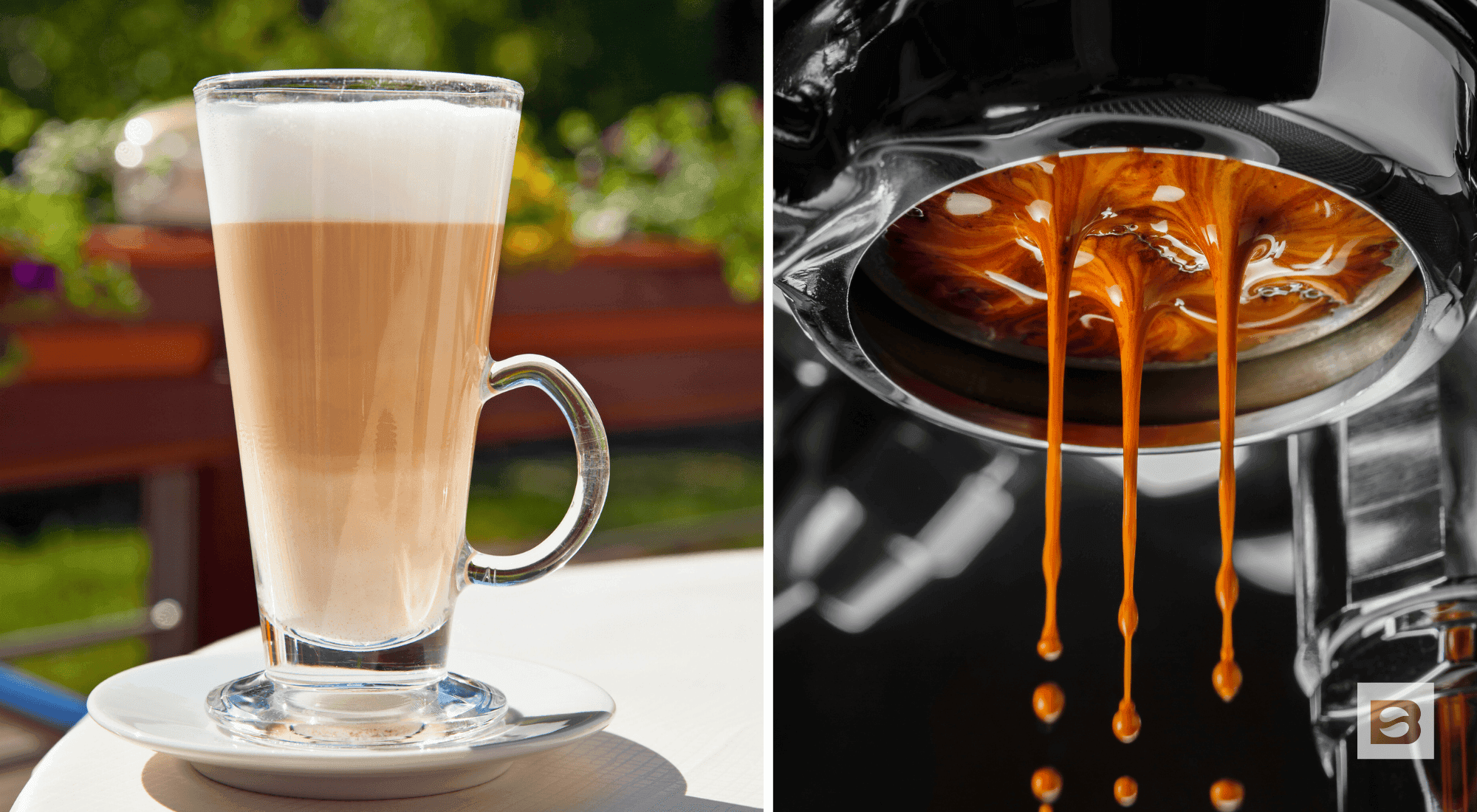
Not exactly. Espresso from a machine is made by forcing hot water through finely ground coffee at high pressure, extracting oils and crema that give it that rich mouthfeel.
Instant espresso is dehydrated espresso coffee – it dissolves in water but lacks the body and crema of a freshly brewed shot.
Does instant coffee have less caffeine?
Usually, yes. A cup of instant coffee averages about 60–80 mg of caffeine, while espresso can range from 63–100 mg in a single shot.
Instant espresso powder is more concentrated by weight, but since you use less of it, the caffeine content in your cup can still end up lower overall.
Can I make espresso powder at home?
You can. Simply brew a strong batch of espresso, dry it out completely in the oven, and grind it finely with a coffee grinder until it becomes a fine powder. It’s a handy DIY option if you bake often.
Will espresso powder impact the texture of baked goods?
Only if you use too much coffee powder. A teaspoon or two won’t affect texture, but more can make your batter dry or gritty. Use it sparingly and dissolve it in a touch of water if your recipe is delicate.
Final Thoughts
So, instant coffee vs instant espresso – it’s not a battle so much as a choice between convenience and concentration.
Instant coffee is your go-to for a quick caffeine boost and everyday brewing. Instant espresso powder is your secret ingredient for bold flavor in both drinks and desserts.
They look similar but serve very different roles, so choosing the right one can make a big difference in your cup – or your chocolate cake.
Next time you’re standing in the coffee aisle, check the label carefully. Whether you’re after a quick cup of instant coffee, an intense espresso flavor for baking, or a quick caffeine fix without fancy gear, you’ll know exactly which jar to grab.