All products are independently selected by our editors. If you buy something, we may earn an affiliate commission. Learn More >
This question comes up a lot, usually after someone takes their first sip and thinks, “This doesn’t taste like strong coffee.” A latte looks like a coffee drink, it smells like coffee, but the flavor can feel surprisingly gentle.
So let’s clear it up properly.
Yes, a latte does have espresso. Every proper latte is made with espresso. What confuses people is how much milk goes into the drink and how that changes the coffee flavor.
Once you understand what’s actually in the cup, the whole thing starts to make sense.
Let’s take a closer look.
Does a Latte Have Espresso?
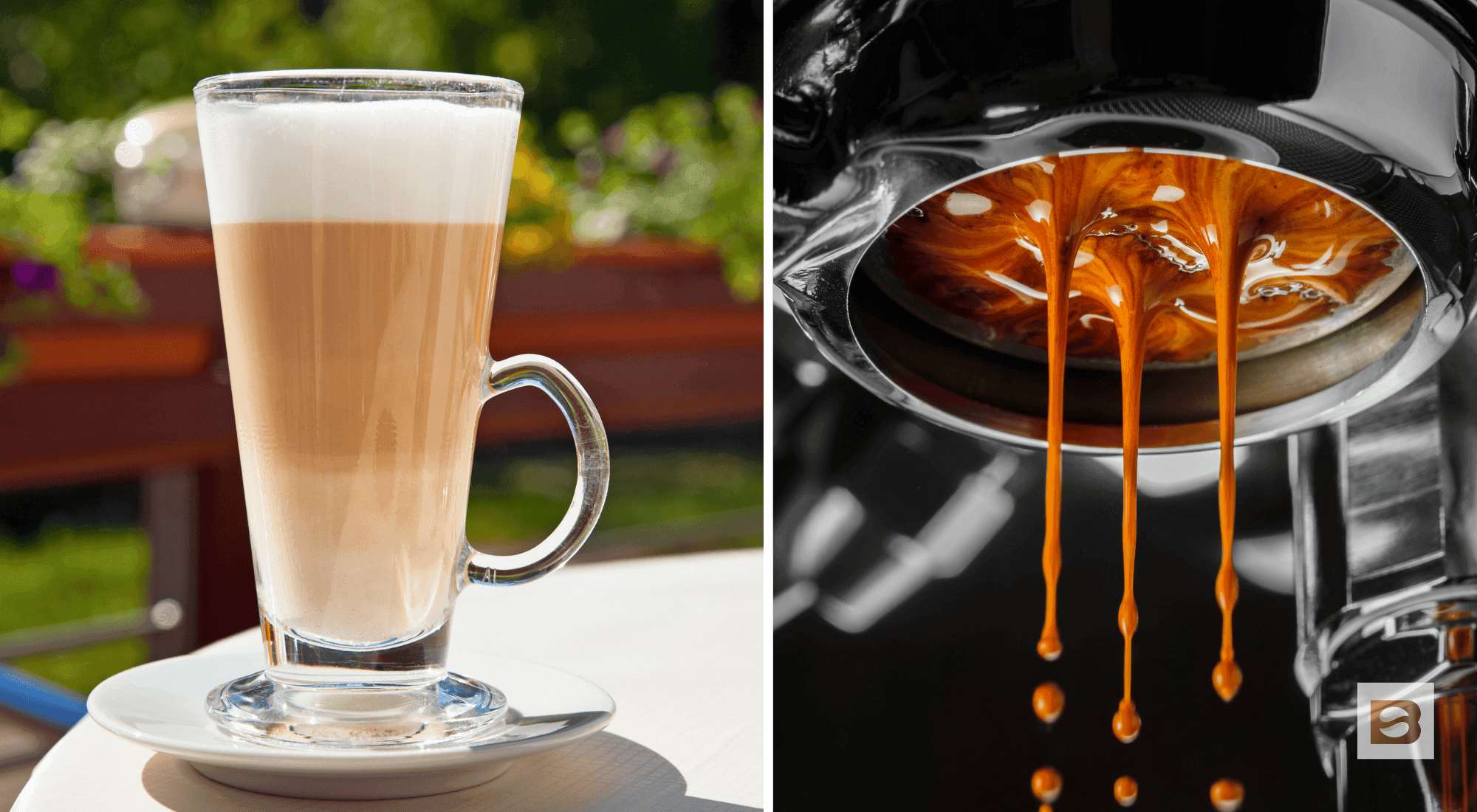
Yes, a latte always contains espresso. A standard latte is an espresso-based coffee drink made with a shot of espresso and steamed milk, finished with a thin layer of foam on top.
If there’s no espresso involved, it isn’t a latte. It might still be a tasty coffee with milk, but it’s no longer the same drink.
The espresso is the foundation.
What Actually Is a Latte
A latte is simple once you strip away the cafe terminology. At its core, it’s espresso and steamed milk working together, with milk doing most of the heavy lifting.
The espresso provides structure and backbone, while the milk shapes how the drink feels and tastes. That’s why a latte is often described as creamy rather than bold. It’s designed to be approachable, not intense.
The classic caffè latte is built from:
- One shot of espresso, sometimes two.
- Several ounces of steamed milk.
- A thin layer of milk foam on top.
What matters most isn’t just the ingredients, but how they’re combined. The milk isn’t meant to sit on top of the coffee, it’s meant to blend with it.
When done properly, the espresso and milk merge into a smooth, unified drink rather than tasting like two separate layers.
That heavy milk ratio is why lattes feel smooth and creamy instead of sharp or bitter. The milk softens the espresso without removing it completely, which is exactly why lattes appeal to such a wide range of coffee drinkers.
Breaking Down Espresso and Steamed Milk
Espresso is a concentrated form of coffee brewed under pressure. It’s intense by design, which is exactly why it works so well with milk.
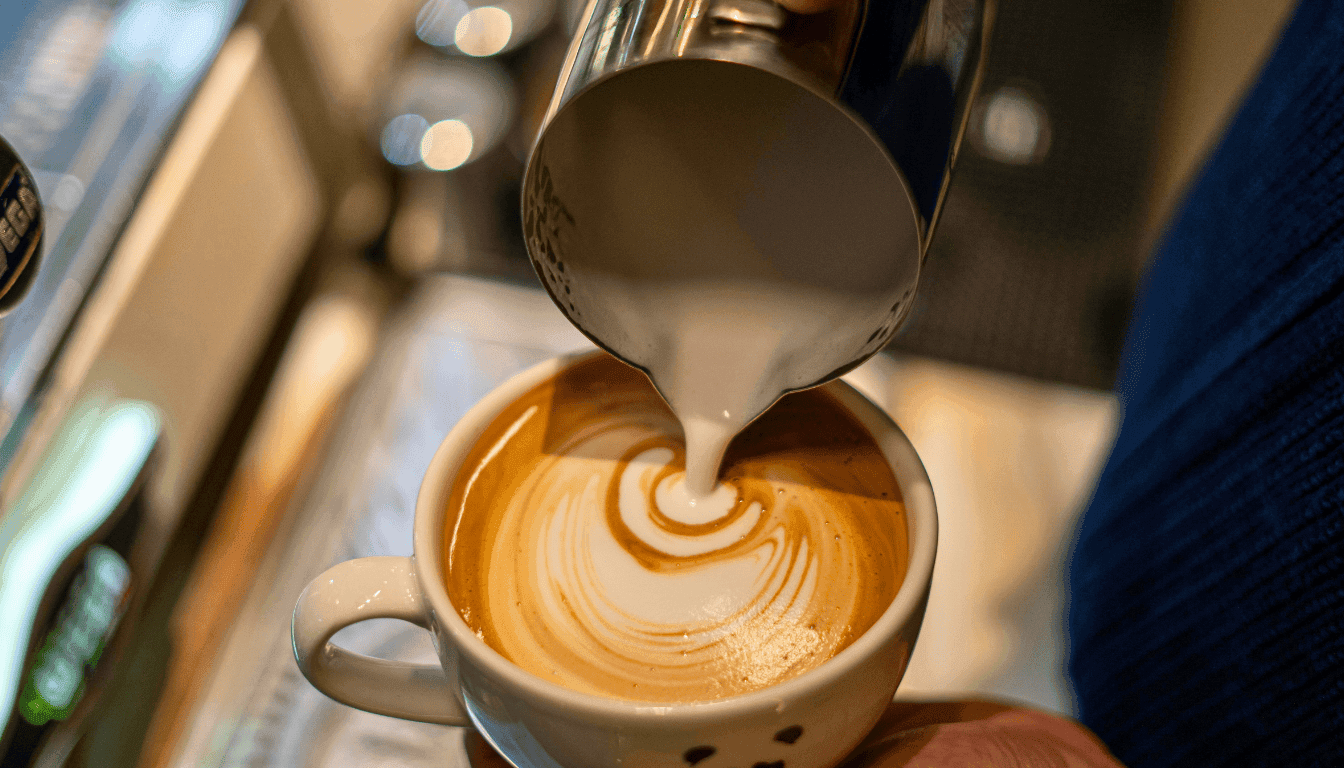
Steamed milk adds sweetness and body. When milk is heated correctly, it develops a creamy texture known as microfoam. This isn’t thick foam or stiff bubbles. It’s smooth, glossy milk that blends seamlessly with espresso.
That combination, espresso and steamed milk, is what defines the latte.
Ok, So How Many Espresso Shots Are Actually in a Latte?
This is where many coffee guides get vague, even though it matters a lot for taste.
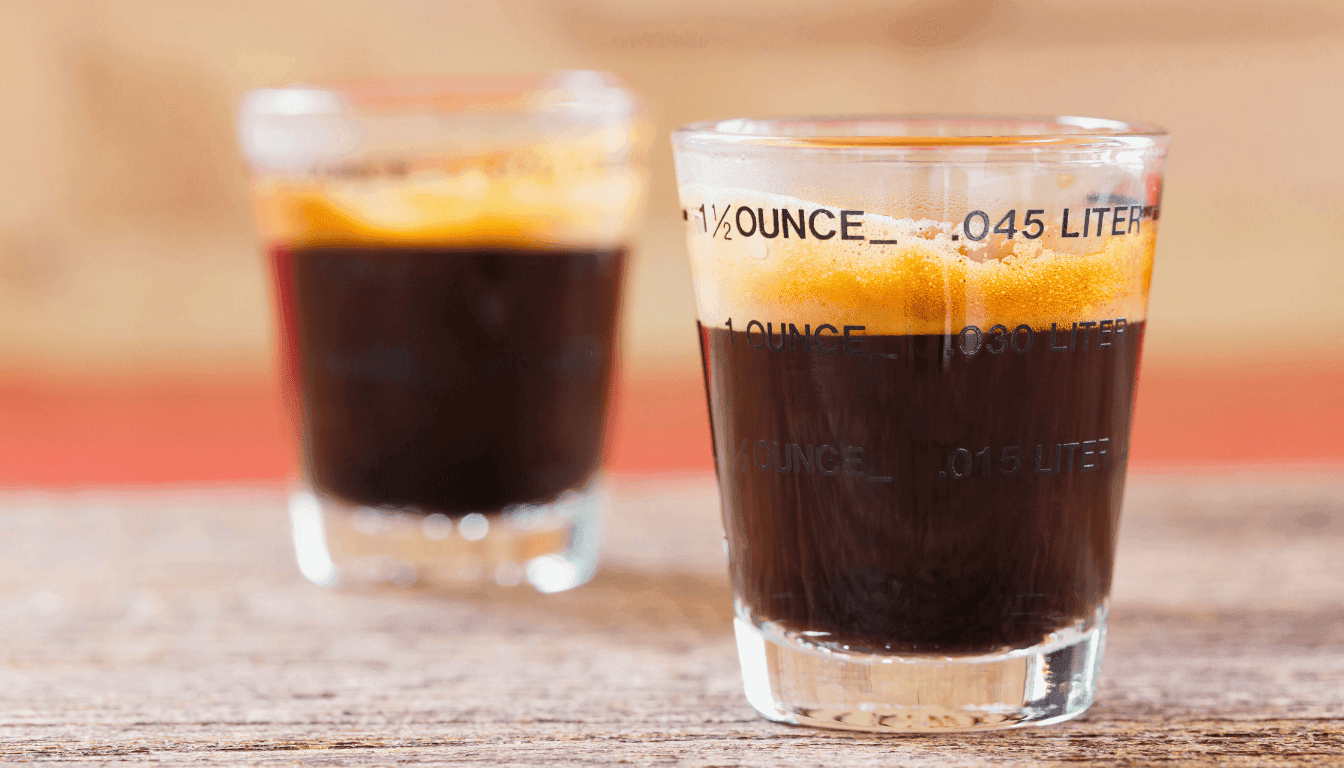
Most coffee shops use one to two espresso shots in a latte. A small latte often contains one shot of espresso. Medium and large sizes usually come with two shots of espresso, also known as a double espresso.
At Starbucks, for example, a standard latte typically includes two shots, even in smaller sizes. That’s why a Starbucks latte can taste stronger than expected, despite all that milk.
One Shot vs Two Shots
One shot of espresso creates a mild, milk-forward latte. Two shots of espresso push more coffee flavor through the milk without turning the drink harsh.
If you ever order a latte and think it tastes too weak, the fix is simple. Ask for an extra shot for a strong coffee taste.
Why a Latte Tastes Mild Compared to Other Espresso Drinks
Many people assume a latte tastes mild because it contains less coffee. In reality, it’s about balance and how the drink is built.
The espresso in a latte isn’t weaker, it’s simply surrounded by more milk. Milk changes how your palate experiences coffee by smoothing sharp edges and rounding out bitterness.
That effect happens even when the same espresso shots are used in other drinks.
In drinks like macchiatos or flat whites, there’s less milk standing between you and the espresso, so the coffee flavor feels more direct.
With a latte, the milk takes the lead, creating a softer, more forgiving taste that’s easy to sip over time.
That’s why a latte can feel gentle without being watered down. The espresso is still there, it’s just playing a supporting role rather than the main act.
How About Milk, Foam, and the Coffee Flavor?
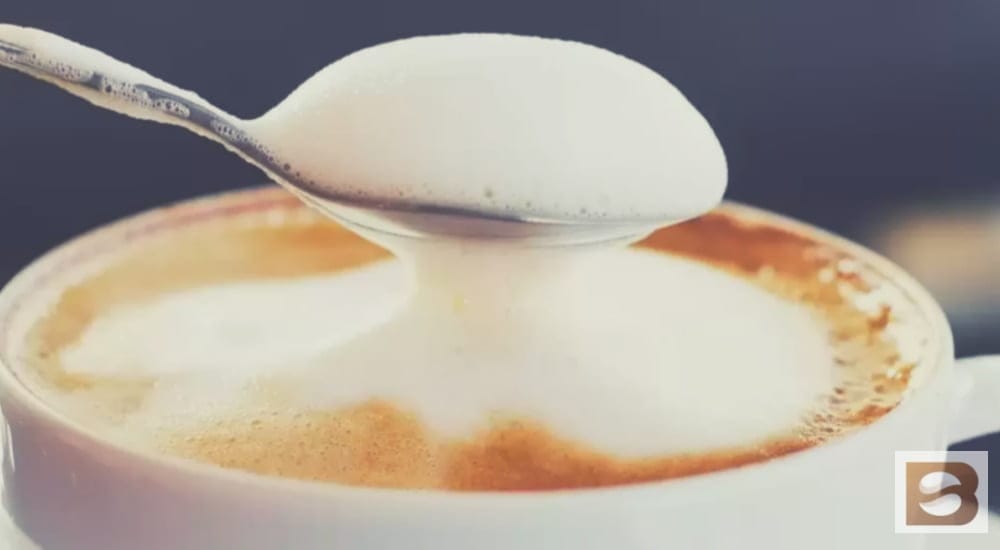
Milk foam plays a quieter role in a latte than many people realise. Unlike cappuccinos, which are defined by a thick, foamy top, a latte finishes with a thin, delicate layer of foam that sits gently on the surface.
That thin layer isn’t there for show. It helps hold heat, adds a touch of texture to each sip, and gives the drink a smooth mouthfeel without turning it airy or dry.
When done properly, the foam blends into the drink rather than standing apart from it.
Cappuccinos and lattes use the same core ingredients, but the ratios change how the coffee flavor comes across.
More milk and less foam create a softer, creamier experience. Less milk and more foam allow the espresso to feel sharper and more pronounced.
That balance is why lattes feel comforting and rounded, while cappuccinos feel lighter but more intense.
Latte vs Cappuccino vs Flat White vs Macchiato
If you’re deciding between these drinks, this quick comparison makes the differences obvious.
| Drink | Espresso shots | Milk amount | Foam level | Overall coffee strength |
|---|---|---|---|---|
| Latte | 1-2 shots | High | Thin layer | Mild |
| Cappuccino | 1-2 shots | Medium | Thick, foamy | Medium to strong |
| Flat white | 1-2 shots | Medium to low | Very thin | Stronger |
| Macchiato | 1 shot | Very low | Small dollop | Strong |
Same espresso base, very different milk and foam ratios, which is why these drinks taste so different in the cup.
Latte or Cappuccino, Which Has More Coffee Taste?
In most cases, the cappuccino tastes stronger. Even when both drinks contain the same espresso shots, the cappuccino’s lower milk volume means there’s less standing between you and the coffee itself.
With a latte, the milk takes center stage and smooths everything out. With a cappuccino, the balance shifts closer to the espresso, giving the drink more bite and a more noticeable coffee flavor.
If you enjoy espresso but still want milk, this is often where people land. A cappuccino keeps the coffee character intact while softening the edges just enough to make it easy to drink.
Can You Make a Latte Without Espresso?
This is where the definition really matters.
You can make a milk-heavy coffee drink without espresso, but it won’t be a latte. If you use brewed coffee, drip coffee, or black coffee and then add hot milk, you’re making coffee with milk, not an espresso-based drink.
The reason comes down to concentration. Espresso is brewed to be intense on purpose, so it can stand up to milk without disappearing.
Brewed coffee isn’t built the same way. Once you start adding milk, the coffee flavor fades quickly.
When you replace espresso with brewed coffee, the milk tends to overwhelm the drink. Instead of tasting creamy and balanced, it often comes across as thin or washed out. The structure just isn’t there.
That doesn’t mean it’s bad. Plenty of people enjoy coffee with milk. It’s just a different drink entirely. Even if it looks similar in the cup, it won’t behave like a standard latte or deliver the same texture and flavor.


How Coffee Shops and Starbucks Make Lattes
Coffee shops rely on espresso machines for consistency and control. An espresso machine extracts coffee at high pressure and uses a steam wand to heat and froth milk at the same time, which is where much of the difference comes from.
That setup gives baristas control over temperature, milk texture, and foam quality.
Those details might sound small, but they have a huge impact on how the latte tastes and feels in the cup.
It’s also why coffee shop lattes, including those from Starbucks, tend to taste more polished and repeatable.
At home, the gap usually isn’t the coffee beans. It’s the milk. Milk that’s overheated loses its natural sweetness.
Milk that’s frothed too aggressively turns airy and foamy instead of smooth and creamy. Timing matters too. A few extra seconds can change the texture completely.
All of those little details add up fast, which is why even a simple latte can feel hard to replicate without the right tools and a bit of practice.
How to Make a Latte at Home the Right Way
Making a good latte at home is completely doable, as long as you focus on the basics and don’t chase cafe perfection.
Everything starts with espresso. Pull one shot of espresso or a double shot of espresso, depending on how much coffee flavor you enjoy.
From there, the milk does most of the work. Heat the milk until it’s hot and creamy, not boiling and not full of stiff bubbles.
Whole milk gives the creamiest result and is the easiest to work with. Oat milk is a solid option if you want a softer texture without dairy. Whatever milk you choose, gentle frothing is the goal. You’re aiming for a smooth, glossy finish rather than thick foam.
When the milk is ready, pour it slowly over the espresso so the two blend together naturally. Finish with a thin layer of foam on top, just enough to add texture without turning the drink airy.
If the milk looks dry, chunky, or overly foamy, you’ve gone too far. Backing off slightly almost always improves the result.
A good home latte isn’t about copying a coffee shop exactly, it’s about balance, comfort, and making something you actually enjoy drinking.
Final Thoughts
So yes, a latte does have espresso. It’s an espresso coffee drink built around milk, not brewed coffee pretending to be something else.
Once you understand how espresso, steamed milk, and foam work together, lattes stop feeling confusing. They become exactly what they’re meant to be, a smooth, balanced way to enjoy espresso without the bite.
If you want more coffee flavor, add a shot. If you want something softer, stick with the classic. Either way, now you know what’s really in your cup.