All products are independently selected by our editors. If you buy something, we may earn an affiliate commission. Learn More >
When you drink coffee first thing in the morning, you probably think about flavor, warmth, and the gentle kick it gives your body.
What you may not think about is how this same cup fits into the world of Traditional Chinese Medicine, also called TCM, where food and drink are viewed through the lens of yin, yang, and qi.
I’m no Chinese medicine expert, but I have spent a fair amount of time digging into how practitioners explain coffee. The more I read, the more the patterns start to make sense.
Once you understand this older medicine perspective, your morning cup looks very different.
Let me walk you through how Chinese medicine views coffee, why many practitioners describe it as a predominantly yang drink, and how you can balance coffee intake if you feel it pulls your system out of rhythm.
What Yin, Yang, and Qi Mean in Chinese Medicine
Before we talk about coffee, we need a quick refresher on how TCM sees the world. Every food, herb, drink, and activity sits somewhere on the yin and yang spectrum.
Yin is cooling, moistening, calming, and nourishing, which is essential for those using coffee as an energy source. Yang is warming, stimulating, dispersing, and active.
A healthy person has a comfortable mix of the two, supported by good quality qi, which is the body’s vital energy.
When you hear people talk about cold hands and feet, sluggish mornings, or low motivation, TCM would often describe these as signs of yang deficiency.
On the other side, if you feel wired, dry, restless, or have trouble sleeping, that can point toward yin deficiency. The trick is understanding where you sit, since your constitution shapes how you respond to warming or cooling foods.
I’m not a TCM practitioner, so I rely on research instead of clinical experience, but this basic framework helps explain why some people feel amazing after they drink coffee and others feel thrown off by it.
So where do coffee beans fall in this picture? Once you place coffee inside this yin and yang framework, its effects become much easier to understand.
How Coffee Is Classified in TCM
When I looked at how practitioners describe coffee, a few patterns stood out. Coffee is considered warming. Coffee is bitter. And coffee stimulates qi. That combination puts it firmly on the yang side of the chart.
The warm nature of coffee pushes energy upward and outward. This movement of qi gives that familiar feeling of wakefulness.
Some TCM voices even describe coffee as a mild diaphoretic, meaning it can open the pores slightly and promote movement in the body. Combine that with its bitterness, and coffee becomes a drink that can purge, disperse, and activate.
Coffee also reaches several organ systems in TCM. You will often see references to the heart, small intestine, liver and gallbladder, spleen, and kidney systems.
The idea is simple. Coffee is not neutral. It touches many energetic pathways, and that is why the effects show up quickly.
Its warming character stimulates yang qi. Its bitter nature moves liver qi. And its drying effect may deplete yin energy if you rely on coffee as an energy boost every morning.

Some practitioners warn that heavy coffee consumption may weaken kidney yin or deplete kidney qi over time, especially if you already run dry or hot.
From everything I have read, this is one of the biggest reasons coffee gets labeled as a yang leaning drink.
As soon as you put these ideas together, the answer becomes clear. Coffee leans yang. But the nuance matters.
So, Is Coffee Yin or Yang?
Coffee behaves like a yang leaning drink. When you drink coffee, you add warmth, dryness, and stimulation to your system.
This is why coffee can feel so helpful for someone who wakes up cold, slow, or foggy. It warms the body, moves qi, and shakes off that damp and cold feeling that can settle in after a long night.
But there is a catch. Coffee also dries. Coffee can scatter qi when you rely on big doses. Coffee might aggravate yin deficiency by pulling on fluids and stored energy.
If you already struggle with irritability, heat in the face, restlessness, or insomnia, coffee can push those sensations further.
The best way to see coffee’s place on the yin and yang spectrum is to picture a short lived spark. It wakes you up, but it uses fuel to do that.
If you are already low in yin energy, or if your kidney yin or kidney yang are struggling, you may feel the downside quickly. The boost feels sharp, then fades fast.
I’m no expert, so everything here comes from reading, comparing sources, and connecting the dots. But the overall picture stays consistent.
Coffee sits on the yang side of the scale. It stimulates yang, moves qi, warms the body, and disperses stagnation. But that warmth can deplete yin if you push it too far.
What Your Yin and Yang Balance Means for Coffee
Now let’s make this practical. Because it is one thing to talk theory. It is another to know how to handle coffee in the real world.
If you lean yang deficient
You may feel cold, slow in the morning, low in motivation, or weighed down by damp and cold sensations. A morning cup of black coffee can feel comforting.
It adds warmth, moves spleen qi, and gives a little push to stored energy. In these cases, coffee can be helpful in small amounts.
If you lean yin deficient
Think dryness, heat sensations, trouble sleeping, irritability, or restlessness. Coffee may feel too sharp or too stimulating. It can deplete kidney yin and create more heat. You might want to reduce coffee or switch to smaller servings.
If you struggle with liver qi stagnation
Coffee can introduce both relief and irritation. Moving qi feels good, but the stimulating edge can flare liver yang or increase frustration. Pay attention to whether coffee smooths your mood or tightens it.
If your shen feels unsettled
If you deal with insomnia, anxiety, or mental jumpiness, coffee might scatter qi too much. A single cup can increase heart and small intestine activity, which might raise that fluttery feeling in the chest.
Again, this is just the picture I have pieced together from research, not from clinical work, so use these ideas as a starting point rather than absolute rules.
How Much Coffee Fits TCM Principles
Most people discover that one cup of coffee a day, or a simple morning cup, fits their system well. Coffee in the morning works with your natural rhythm because yang energy rises at that time.
When you drink coffee in the late afternoon, you introduce stimulation during the hours when yin should take over.
A small amount of coffee also keeps you from drawing too much on stored energy or jing. This is where many people get into trouble.
Relying on coffee as an energy boost instead of building habits that nourish qi can lead to that wired and tired cycle. It is easy to drift into yang deficiency or feel like your kidney qi is running low when you drink several cups a day.
Moderation protects you from the downside and keeps your energy smoother through the day.
Tips to Balance Yin and Yang When You Drink Coffee
Here are a few simple ways to enjoy coffee without pushing your body too far in either direction.
1. Stick to small amounts: One gentle cup goes a long way and still delivers the warm lift you want.
2. Avoid extra heat if you run hot: Warm coffee is fine. Extremely hot coffee may irritate the stomach from a TCM point of view.
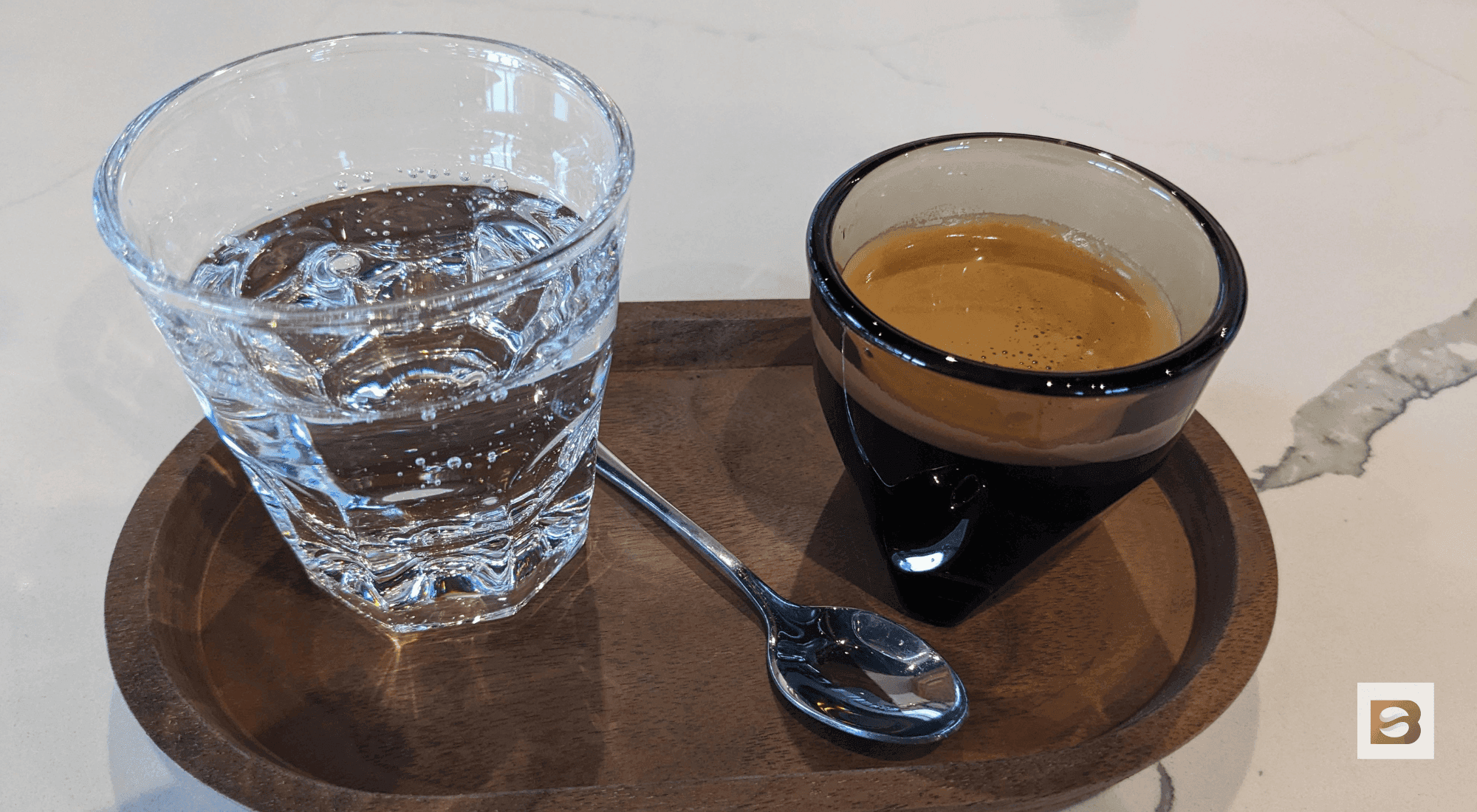
3. Add moisture if you feel dry: A splash of soy milk or a glass of water on the side can soften the drying effect and support yin energy.
4. Watch your sleep: If caffeine affects your shen easily, keep coffee earlier in the day.
5. Notice irritability: If coffee makes your liver qi feel tight or sparks frustration, ease back. Half a cup can be enough.
6. Pay attention to how you feel: Jitters, heat, dryness, urgency to purge, or a sharp crash are signs your coffee intake needs a reset. You do not need to quit coffee altogether. Just fine tune the amount until your qi stays comfortable.



Final Thoughts
Coffee is one of my favorite daily rituals, and I know it is the same for many of you. Once you look at coffee through Traditional Chinese Medicine, everything gets more interesting.
Coffee is warming. Coffee stimulates yang qi. Coffee also dries, moves qi fast, and can deplete yin if you lean on it too much.
None of this makes coffee good or bad. It just means your constitution matters. Since I am no expert in Chinese medicine, I encourage you to observe your own patterns. If you feel cold and slow, coffee may help. If you feel dry, hot, or restless, coffee might push you out of balance.
Explore how your body responds. Notice the warmth, the movement of qi, and how long the energy lasts. When you match your coffee habit to your personal yin and yang pattern, the whole experience becomes smoother and a lot more enjoyable.