All products are independently selected by our editors. If you buy something, we may earn an affiliate commission. Learn More >
Waking up to the smell of fresh coffee is one of life’s simple pleasures. But if your morning cup of coffee leaves you with acid reflux, heartburn, or that burning feeling in your throat, it’s tough to enjoy.
The good news is you don’t have to give up coffee.
Low-acid coffee beans are gentler on your stomach and teeth but still deliver the flavor and caffeine kick you’re craving.
Whether you deal with reflux, sensitive teeth, or just prefer less acidic coffee, this guide will walk you through what makes coffee acidic, how to brew it in a way that’s easier to drink, and the best low acid coffee brands you can buy right now.
What Makes Coffee Low-Acid?
When people describe coffee as “acidic,” they’re not always talking about pH. They usually mean the sharp, tangy notes that can make your stomach churn or your teeth ache.
Coffee contains natural acid compounds such as chlorogenic acid, citric, and malic acid, which can affect the flavor profile.
These bring brightness and complexity to coffee flavor, but they can also cause discomfort if you’re sensitive.
Several factors shape how acidic your cup will taste:
- Roast level – Dark roast coffee usually breaks down more sharp acids than light roasts.
- Bean origin – Coffee beans grown at lower elevations, such as Brazil or Sumatra, tend to be naturally low acidic.
- Processing method – Washed beans can highlight acidity, while other methods mute it.
- Brewing style – Hot water extracts acids quickly, while cold brew coffee tends to be smoother.
I remember the first time I brewed an Ethiopian Yirgacheffe at home. It was bursting with citrus and berry flavors, but my stomach hated it.
Then I tried a Sumatran Mandheling, earthy and chocolatey, and it went down without a problem. Same coffee ritual, very different outcome.
That’s when I realized the acidity in coffee mattered more than the caffeine itself.
So when you see “low acid coffee” on a bag, it usually means the roaster has chosen beans from naturally low-acid regions, roasted them darker, or treated them in a way that reduces overall acidity.
Low-Acid Coffee Comparison Table
If you want the quick answer, here it is.
I’ve compared eight of the best low acid coffee brands side by side so you can see which one matches your taste, budget, and brewing style.
Use this table as your cheat sheet before diving into the full reviews below.
| Brand | Roast | Why It’s Good for Low Acid | Flavor Profile | Price Range |
|---|---|---|---|---|
| Purity Coffee – Ease | Dark Roast | USDA Organic, toxin tested, roasted for low acidity | Dark chocolate, walnut, smooth finish | $$$ |
| Lifeboost Coffee – Dark Roast | Dark Roast | Single origin, organic, shade-grown, gentle on stomach | Sweet chocolate, low bitterness | $$$ |
| Puroast Coffee | French / House | Up to 70% less acidity, 7x more antioxidants | Bold, smooth, low aftertaste | $$ |
| Volcanica Low Acid Line | Medium to Dark | Origins like Brazil and Sumatra, naturally less acidic coffee | Nutty, chocolate undertones | $$–$$$ |
| Folgers Simply Smooth | Medium Roast | Affordable supermarket coffee brand, gentle on digestion | Mild, mellow, balanced | $ |
| Java Planet Organic | Medium Roast | Organic coffee beans, roast date on bag, smooth Colombian cup | Chocolate, floral, clean finish | $$ |
| Tieman’s Fusion Coffee | Medium Roast | Arabica coffee beans blended with matcha, rooibos, goji berry | Smooth, creamy, subtle herbal notes | $$ |
| Mommee Coffee | Medium-Dark Roast | Organic low acid coffee, multiple caffeine levels available | Sweet, smooth, gentle body | $$ |
Top Low-Acid Coffee Brands in 2026
If you’re tired of guessing which coffees won’t leave you with reflux, here are eight low acid coffee brands worth your attention.
These options are highly rated for taste, quality, and how gentle they are on your stomach.
Purity Coffee – Ease Dark Roast
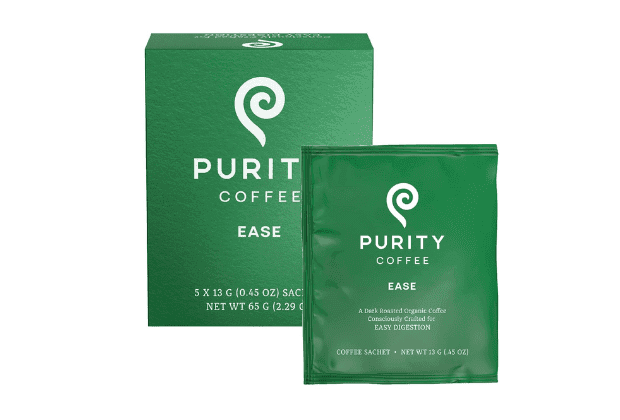
Purity is known for producing clean, organic coffee that goes through rigorous testing.
The Ease blend was created specifically for people who want a smoother, less acidic cup without sacrificing depth of flavor. Roasted dark, it breaks down sharp acids while keeping a rich coffee taste.
The brand also focuses on toxin-free beans, which makes it appealing if you’re health-conscious.
- Formats: Whole bean or ground
- Decaf option: Yes
- Price: Premium
Flavor profile: Dark chocolate, roasted walnut, smooth finish.
Lifeboost Coffee – Dark Roast
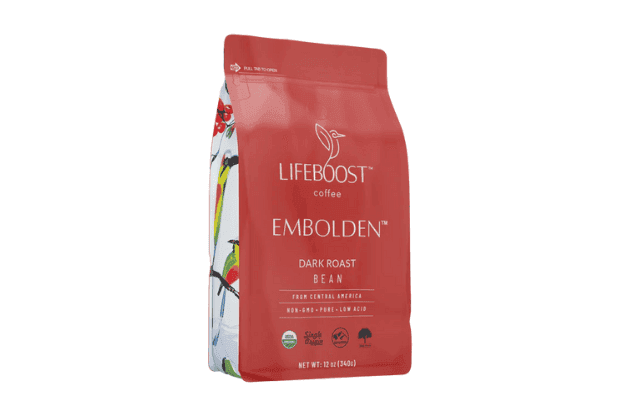
Lifeboost has built its reputation around being one of the healthiest coffee brands on the market.
The beans are shade-grown in the mountains of Nicaragua, hand-picked, and washed in spring water before being roasted. The result is a cup that feels balanced, gentle on the stomach, and naturally sweet.
Many coffee drinkers with acid reflux say it’s one of the few coffees they can enjoy daily without side effects.
- Formats: Whole bean, ground, flavored
- Decaf option: Yes
- Price: Premium
Flavor profile: Sweet chocolate, very low bitterness.
Puroast Coffee – House Blend or French Roast
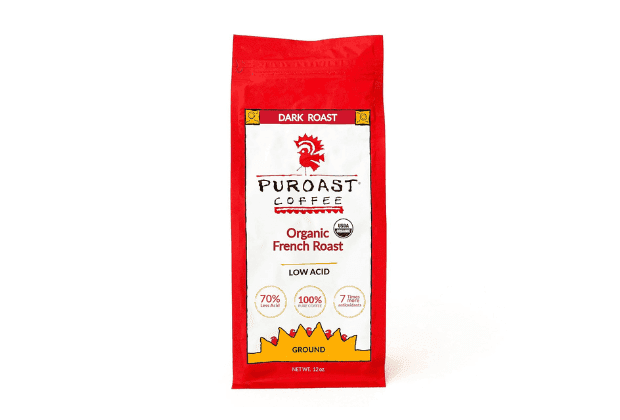
Puroast is a long-time favorite for people searching for reduced acid coffee. The company highlights its unique roasting process, which it says lowers acid content by up to 70% while boosting antioxidants.
Puroast is also one of the best low-acid coffee brands, making it easy to try without hunting online. If you’re after a dependable daily coffee that won’t upset your stomach, this one is a strong contender.
- Formats: Whole bean, ground, K-cups
- Decaf option: Yes
- Price: Mid-range
Flavor profile: Bold, full-bodied, smooth finish.
Volcanica Coffee – Low Acid Line
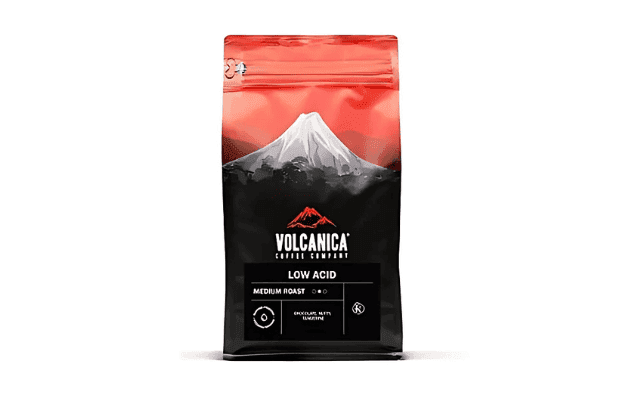
Volcanica is a specialty coffee company that offers a full line of low-acid beans. They source from regions like Brazil, Sumatra, and other lower-altitude farms known for naturally less acidic coffee beans.
If you want to try different origins while staying gentle on your stomach, Volcanica is a great choice. The beans are roasted to order and ship fresh, which means you’ll always get a flavorful cup.
- Formats: Whole bean or ground
- Decaf option: Yes
- Price: Mid to premium
Flavor profile: Balanced, nutty, with smooth chocolate undertones.
Folgers Simply Smooth
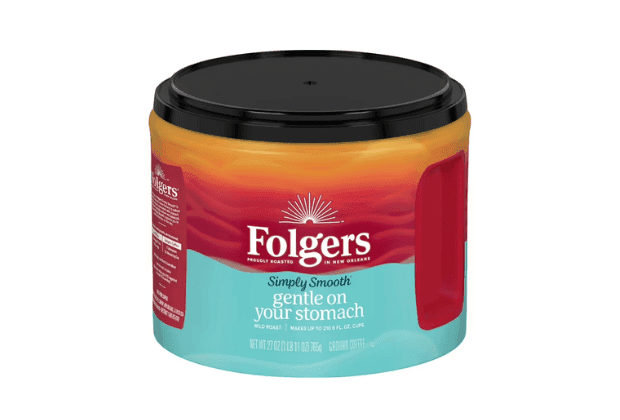
Folgers Simply Smooth isn’t fancy, but it’s one of the most accessible low-acid coffee options.
Found in most supermarkets, it’s designed for people with sensitive stomachs who still want a dependable morning cup. It won’t have the complexity of specialty coffee, but it’s affordable, consistent, and widely available.
If you’re looking for a straightforward, less acidic coffee you can drink daily, this is a practical choice.
- Formats: Ground, K-cups
- Decaf option: Yes
- Price: Budget
Flavor profile: Mild, mellow, easy to drink black coffee or with milk.
Java Planet Organic Low-Acid Coffee
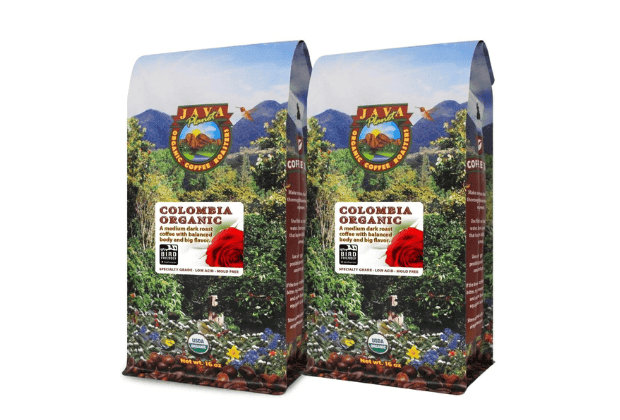
Java Planet is a family-owned roaster that focuses on organic coffee. Their Colombian low-acid roast stands out for its freshness – every bag includes a roast date, so you know exactly when it was made, making it one of the best coffee options for low-acid enthusiasts.
The coffee itself has a smooth body with balanced flavor notes, making it a versatile option whether you drink black coffee or with cream. It’s a great pick if you want something gentle that doesn’t taste flat.
- Formats: Whole bean or ground coffee
- Decaf option: Limited
- Price: Mid-range
Flavor profile: Chocolate, floral, clean finish.
Tieman’s Fusion Coffee
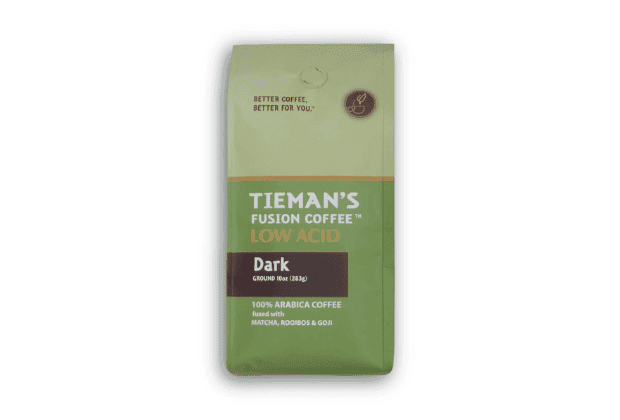
Tieman’s is unlike any other coffee on this list. It blends Arabica coffee beans with matcha green tea, rooibos red tea, and goji berry powder.
The idea is to create a naturally low-acid, antioxidant-rich drink that gives you a smoother energy boost. It won’t taste like traditional coffee, but it’s a good option if you want something creative and gentler on digestion.
Many people describe it as creamy, balanced, and refreshing.
- Formats: Ground
- Decaf option: No
- Price: Mid-range
Flavor profile: Smooth and creamy with a subtle herbal twist.
Mommee Coffee – Low Acid Organic Coffee
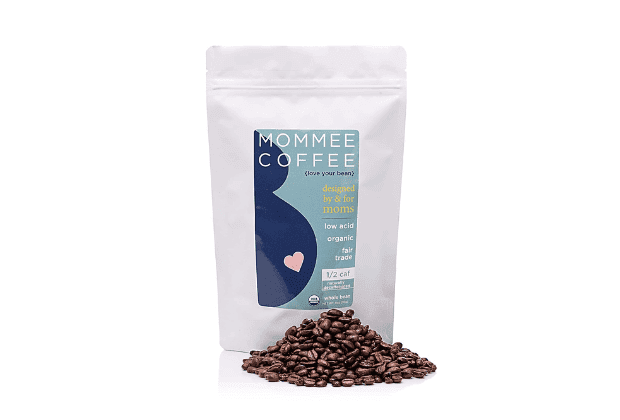
Mommee Coffee was designed with sensitive drinkers in mind, particularly pregnant women.
The beans are organic and roasted for low acidity, and the brand offers four different caffeine levels so you can choose what works best for your body. While it’s marketed toward moms, it’s a smart choice for anyone who needs coffee that’s less acidic and easier on digestion.
The taste is smooth and pleasant, making it easy to drink black or with milk.
- Formats: Whole bean or ground
- Decaf option: Yes
- Price: Mid-range
Flavor profile: Medium-dark roast that’s sweet, smooth, and gentle.
Cold Brew: The Easiest Way to Lower Acidity
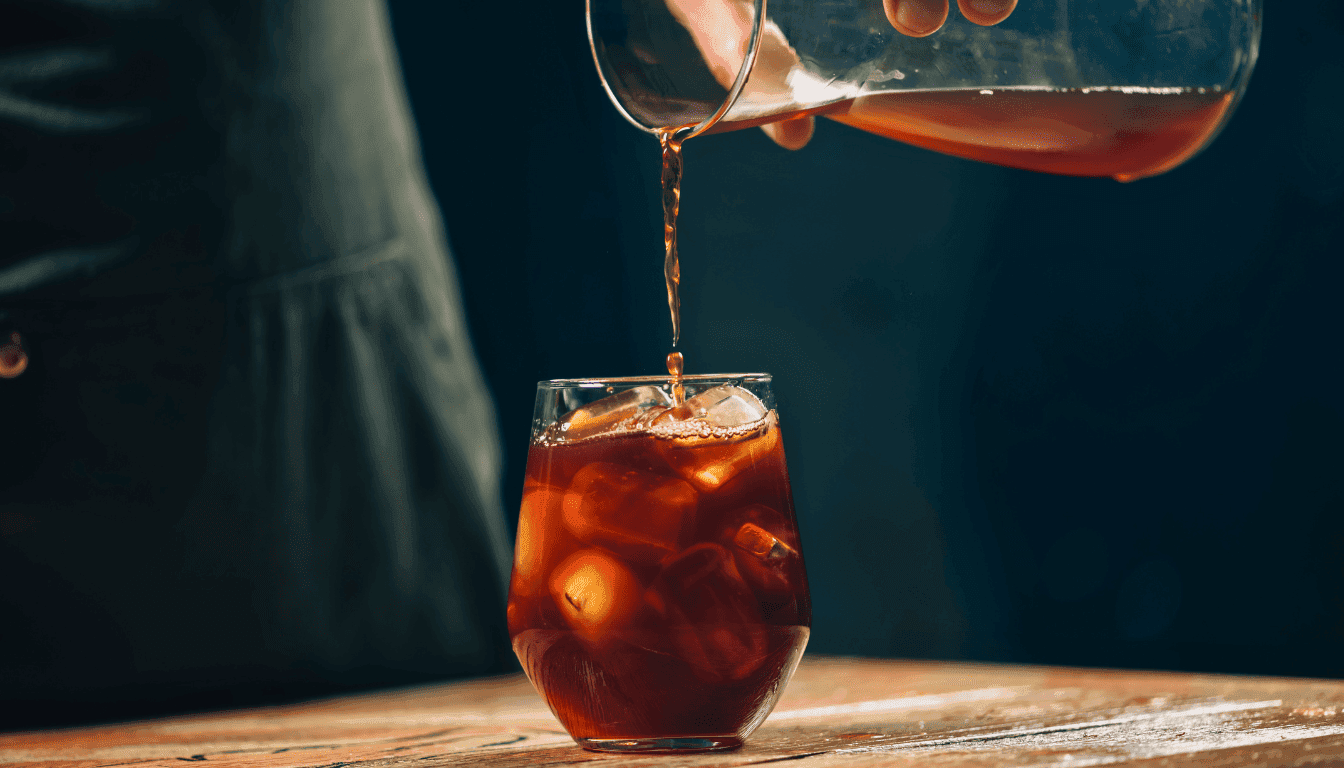
Even if you stick with your favorite coffee brand, switching to cold brew coffee can make a huge difference. Brewing with cold water extracts fewer acids, leaving you with a mellow, less acidic coffee that can be up to 70% gentler than hot brew.
It takes time, usually 12 to 18 hours, but the results are worth it.
I often brew a strong cold brew concentrate and dilute it with water or milk. It’s one of the simplest ways to enjoy coffee without the burn of high acid levels.
What to Look for When Buying Low-Acid Coffee
Shopping for coffee can be confusing, especially with so many brands claiming to be “smooth” or “gentle.” Here’s how to separate the real low-acid options from the marketing fluff.
- Certifications: USDA Organic, Fair Trade, or toxin testing show the roaster takes quality seriously.
- Roast date vs “best by” date: Freshly roasted beans taste better and are less sharp.
- Watch the buzzwords: Labels like “smooth” or “bold” don’t guarantee low acid coffee. Look for specifics.
- Match to your brew: Cold brew blends, espresso blends, and dark roast coffee each behave differently.
- Budget fit: Specialty low-acid coffee beans cost more, but affordable supermarket options like Folgers Simply Smooth work too.
Brewing and Lifestyle Tips to Reduce Coffee Acidity
Even with low-acid beans, the way you brew makes a big difference. Dark or medium-dark roasts usually produce less acidic coffee because longer roasting breaks down sharp compounds.
If caffeine itself triggers reflux, switching to a quality decaf can help.
Origin plays a role too.
Beans grown at lower altitudes, like those from Brazil or Sumatra, naturally carry less acid than high-altitude coffees such as Ethiopian or Kenyan. Pair that with careful brewing and you’ll notice the difference.
For hot coffee, aim for a water temperature between 195 and 205°F instead of boiling. Coarser grinds and shorter brew times also soften the bite.
Don’t forget what you add to your cup.
Milk or cream naturally buffers acidity because calcium helps neutralize stomach acid. Even a small splash can make coffee easier to handle. And if you want the smoothest option, cold brew coffee is hard to beat.
I’ve noticed that swapping a bright Ethiopian pour-over for a Sumatran cold brew is like night and day. One has me reaching for antacids, the other I can sip all morning without a problem.
The trick is finding the balance of roast, bean, and brew method that works best for you.
Common Myths About Low-Acid Coffee
There’s plenty of misinformation out there about what makes a coffee acidic or stomach-friendly. Let’s clear up some of the most common myths.
Myth 1: Low-acid coffee has no acid.
All coffee contains acid compounds. Low-acid coffee beans just reduce the ones most likely to cause irritation.
Myth 2: pH tells the whole story.
Two coffees can have the same pH but feel very different. What matters is how much acid your body has to neutralize.
Myth 3: Only dark roasts are low acid.
Roast helps, but bean origin and processing also matter. A medium roast from Brazil can feel smoother than a dark roast from Ethiopia.
Myth 4: Decaf is always low-acid.
Not always. Some decaf coffee brands use naturally high acid beans, so the final cup can still be acidic.
FAQs About Low-Acid Coffee
Still have questions about low-acid coffee? Here are quick answers to the things people ask most often.
Is low acid coffee good for acid reflux?
Yes, many coffee drinkers find it gentler. It won’t cure reflux, but it often reduces symptoms.
Which roast is least acidic?
Dark roast coffee generally has the least acidity, though origin and processing can change the results.
Does milk make coffee less acidic?
Yes. Calcium in milk or cream helps neutralize acid levels in coffee.
Is decaf less acidic than regular coffee?
Sometimes, but not always. The bean and roast matter as much as the decaf process.
Final Thoughts
If coffee leaves you with heartburn or reflux, you don’t have to quit. With the right low acid coffee beans, roast, and brewing method, you can still enjoy your daily cup without the discomfort.
Brands like Purity, Lifeboost, and Puroast are top picks, while budget-friendly coffee brands like Folgers Simply Smooth give you an easy backup.
Pair your beans with cold brew or a darker roast, and you’ll notice a big difference in how your body reacts.
At the end of the day, it comes down to experimenting. Try a few low acid coffee brands, test different brewing methods, and you’ll find a routine that lets you keep your coffee ritual – minus the side effects.