All products are independently selected by our editors. If you buy something, we may earn an affiliate commission. Learn More >
You’ve probably heard both sides of this debate, with some baristas swearing that shiny beans mean fresh coffee and others insisting they’re stale. Answering “it depends” and leaving you holding the bag is a cop-out.
Oil isn’t a marker of quality, because it only indicates how dark the roast is and how long the beans have been sitting around.
Once you understand those two clues, you’ll choose your coffee with more confidence and spare your grinder a lot of unnecessary grief.
Why Are Coffee Beans Oily?
Every coffee bean carries natural oils inside its structure. Roasting is what pushes those oils out to the surface, where you can finally see them.
What Roasting Does to the Bean
Heat breaks down the cellular structure of the bean and makes it far more porous, so the oils inside gradually move toward the surface.
The longer the roast continues, the more oil you’ll see on the finished beans.
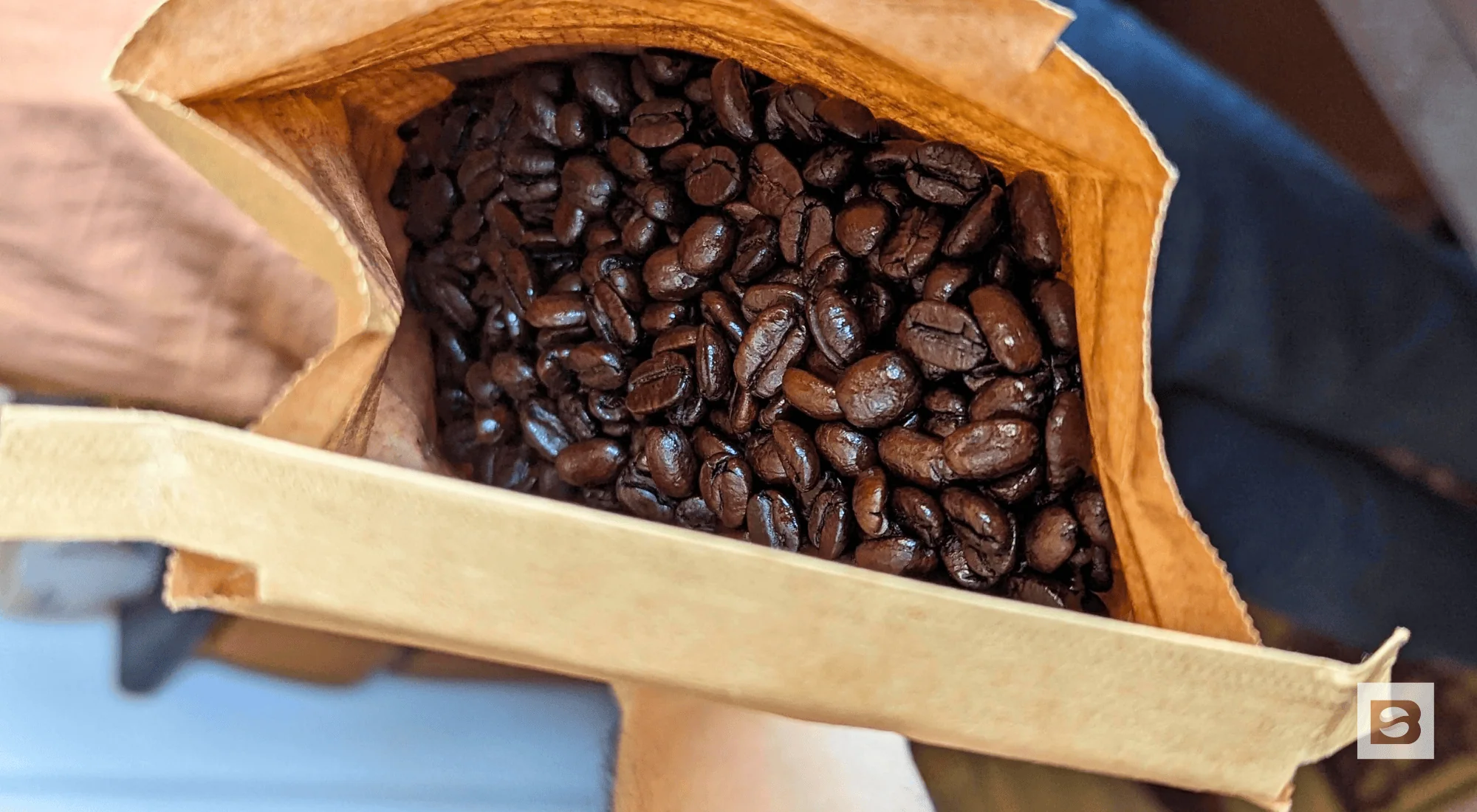
That’s why dark roasts, which are taken past second crack, often leave the roaster already glossy. Light roasts are stopped well before that point, so they usually look dry and matte.
Why Some Beans Turn Oily Later
Oil doesn’t always appear on roast day, because a medium roast can look perfectly dry at first and then develop a noticeable sheen over the following days or weeks as the oils keep migrating outward.
Air accelerates the process considerably, particularly in a bag that’s been opened.
Once oil sits on the surface, oxygen begins to oxidize it, and that gradual change is what turns a good bean into a tired one.
Does Oily Coffee Mean Fresh?
Sometimes it does, but only if you know the roast level, since the same shine can mean two opposite things depending on the bean underneath.
Oily Coffee Beans Fresh vs Stale: My Three-Check Test
I run three quick checks whenever I open a new bag of beans.
First, look at the roast level printed on the label. If it says dark, French, or Italian, you should expect oily beans, because that’s the roast doing its job rather than a sign of freshness.
Second, find the roast date. A glossy dark roast that’s a few weeks old is perfectly normal, but a glossy light or medium roast that’s several months old is a different story.
Third, smell the beans.
Fresh coffee smells sweet, roasty, or fruity, while stale coffee smells flat, sour, or a bit like old nuts and cardboard, and if a bag fails the smell test then nothing else matters.
Shiny Coffee Beans vs Dry Coffee Beans by Roast Level
Here’s how I read the surface of a bean, although you should treat it as a general guide rather than a strict rule, since roasters and origins vary.
| Roast level | Typical look on roast day | What a shine usually means |
|---|---|---|
| Light | Dry and matte | Age or poor storage |
| Medium | Dry to lightly satin | Beans are a few weeks in, or the roast is on the darker side |
| Dark | Glossy or oily | Normal for the roast, so check the roast date for age |
A dry bean isn’t automatically fresh either, because beans can still go stale, especially when a bag has sat open for a few weeks.
The Decaf Exception
Decaf plays by its own rules.
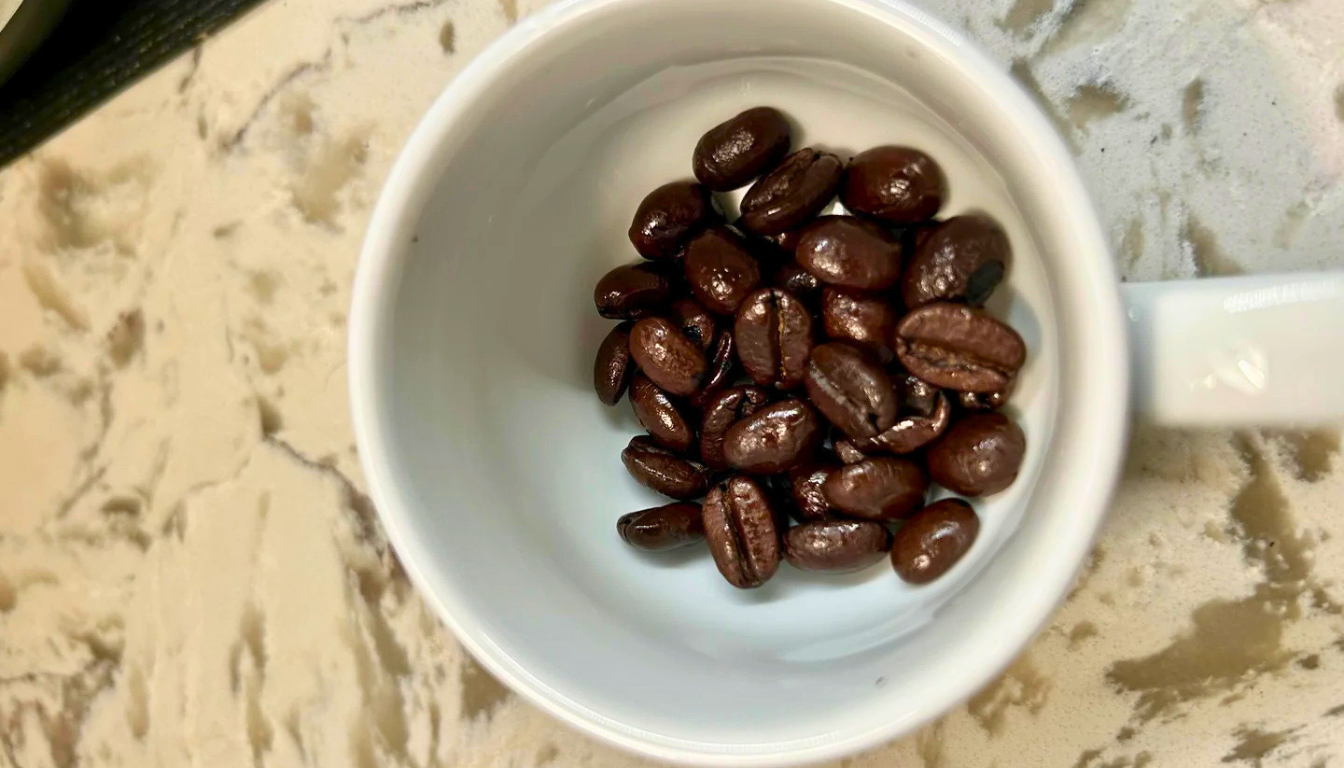
The decaffeination process changes the structure of the bean before it ever reaches the roaster, so even a light or medium decaf can show surface oil within a few days of roasting, which is normal and not a defect.
Are Oily Coffee Beans Bad?
No, but they aren’t automatically better either.
Oil is a trade-off, and it helps to know exactly what you’re paying for it.
Dark, oily roasts deliver a heavy body and bittersweet depth, which suits milk drinks and anyone who enjoys a bold, smooth cup.
The cost is nuance, since a very deep roast can flatten the fruity and floral notes that make a good origin interesting, and that’s a big reason many specialty roasters stop well short of very oily roasts.
The bigger risk comes from oil that has been sitting out for too long.
Surface oil turns rancid when it meets air, and the resulting cup tastes flat and sour, with a stale edge that no amount of milk or sugar will hide. If your beans smell off, throw them out.
Storage matters even more with oily beans, so keep them in an airtight container away from heat and light, and purchase smaller quantities that you’ll finish within a few weeks.
Do Oily Beans Ruin Espresso Machines?
Not overnight.
Oil builds up slowly, and any damage usually comes from neglect over months rather than from a single bag of French roast.
Can Oily Coffee Beans Clog a Burr Grinder?
Yes, over time.
Oil mixes with the fine coffee dust and forms a sticky paste that coats the burrs and eventually packs into the grind chute.
You’ll usually notice the problem in a few ways:
- Grounds clump instead of falling loose
- The dose gets inconsistent from shot to shot
- Beans stop feeding smoothly from the hopper
- Old residue turns rancid and makes fresh coffee taste off
The good news is that a standalone grinder opens up easily, so you can brush it, wipe it, and get it working properly again.
It’s a maintenance job rather than a disaster.

Volcanica Coffee Lover Gift Box
The perfect gift box for the average avid coffee drinker, this gift box includes the best-selling products all in one package. Explore the taste of favorite coffees from around the world from the comfort of home.
Oily Beans in a Superautomatic Espresso Machine
This is where oily beans cause the most trouble.
You can’t strip down a built-in grinder the way you can a standalone one, so the oil has nowhere to go and can slowly clog the grinder, the chute, and the screen on the brew unit.
Most manuals tell you to avoid oily beans, and I take that seriously, because a warranty claim is an unpleasant conversation to have while a bag of glossy beans sits on your counter.
Here’s my honest middle ground. A dark roast with a light sheen usually behaves, but beans that look wet, as if they’ve been dipped in oil, are the ones to skip.
If you love dark roasts, choose a slightly drier medium-dark bean for everyday use and clean the brew unit on schedule.
If you think you’ve already caused a clog, empty the hopper and vacuum out the remaining beans.
Then run a small batch of drier medium roast through the machine on a coarser setting to help clear the oil, and check your manual before using grinder cleaning tablets, since most are designed for standalone grinders.
How to Clean a Grinder After Oily Beans
A proper cleaning session takes about 15 minutes, and it’s far easier to do before the buildup makes the decision for you.
- Unplug the grinder and empty the hopper.
- Remove the hopper and the upper burr, following your manual.
- Brush loose grounds off the burrs and out of the chute.
- Vacuum out the fine dust.
- Wipe the parts with a dry cloth, and skip water on the burrs.
- Run a grinder cleaning product through if your manufacturer allows it.
- Reassemble, then grind a small handful of beans to purge any residue.
If you drink dark roasts every day, I’d brush the grinder weekly and do a full clean about once a month, then adjust the schedule to suit your machine. Clean it sooner if your grounds start clumping or your grind begins to drift.
Best Coffee Grinder for Oily Beans
The best grinder for oily beans is the one you can clean easily, because fancy specifications matter less than how quickly you can reach the burrs.
Look for burrs that come out without a fight, a grind path you can reach with a brush, and larger burrs that generally run cooler. Avoid blade grinders, since they chop unevenly and hold onto oil in the bowl.
Two grinders I’d put on your shortlist:
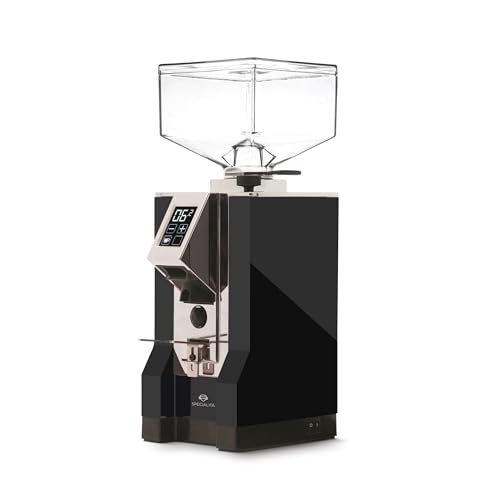
The Eureka Mignon Zero 65 Espresso is a strong entry point for experienced home baristas who run dark roasts and want easy cleaning without spending a fortune.
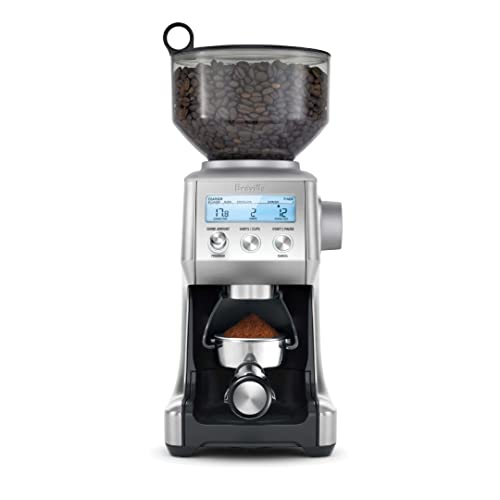
The Breville Smart Grinder Pro will suit you if you want more control, with 60 grind settings and a programmable dose that lets you move from espresso to French press on the same grinder.
Either way, budget time for the cleaning routine above, because even a good grinder with no maintenance schedule will eventually clog.
Final Thoughts
Oily coffee isn’t a sign of quality. It’s a sign of roast depth and time, and you can read both once you know what to look for, so check the roast level, check the roast date, and trust your nose.
Then take care of your equipment. Oily beans won’t wreck a well-kept grinder, but a neglected one will let you know about it.
What’s the oiliest bag of beans you’ve ever opened, and did your grinder survive it?