All products are independently selected by our editors. If you buy something, we may earn an affiliate commission. Learn More >
Ask the internet whether percolator coffee is better than drip and you’ll get a lot of hand-wringing and not much else. Everyone’s so afraid of picking a side that they just shrug and say it comes down to personal preference.
That’s a cop-out. I’ve been working with coffee for over twenty years, and I think the honest answer is actually pretty straightforward.
Let’s take a look.
Two Brew Methods, Very Different Results
If you’re weighing up a percolator vs drip coffee maker side by side, you’re not just choosing a machine. You’re choosing a completely different cup of coffee.
The differences between percolator and drip go beyond strength. They affect body, clarity, aroma, and how much control you actually have over the outcome.
A drip coffee maker passes hot water through grounds once. The water drips through a paper filter, picks up flavor, and lands in a carafe. Clean, simple, repeatable.
A percolator takes a different approach entirely.
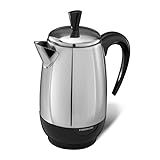
Water heats at the base, travels up a central tube, and showers over the grounds in a basket. Then it drops back down and does it all again.
That cycling is what makes percolator coffee taste the way it does, and it’s worth understanding before you write either method off.
What the Cycling Process Actually Does to Your Coffee
This is where most comparisons get lazy, so let me be specific. Because the water in a percolator passes through the coffee grounds multiple times, it extracts far more from the bean than a single-pass drip machine ever will.
You get a fuller-bodied cup, more aroma in the room while it brews, and a bolder flavor that drip coffee simply can’t replicate.
There’s also the oil factor.
Drip coffee makers use paper filters, which trap the natural coffee oils before they reach your cup. A percolator uses a metal basket with no paper filter, so those oils stay in your brew.
That’s what gives percolated coffee its characteristic richness and heavier mouthfeel. If you’ve ever thought drip coffee tastes a little thin or flat, this is exactly why.
The trade-off is temperature. Percolators brew at or very close to boiling point, which is higher than the 90 to 96 degrees Celsius that most specialty coffee professionals recommend.
That extra heat, combined with the repeated cycling, is where over-extraction can creep in if you’re not paying attention.


Why Drip Coffee Makers Have the Consistency Edge
A good automatic drip coffee maker hits that ideal brewing temperature and holds it there, reliably, every single time. You load the grounds, press a button, and walk away.
The result is a clean, balanced cup that lets the actual flavor of the bean come through, especially with lighter roasts or single-origin coffees where nuance matters.
Many drip coffee makers also give you programmable brew times, adjustable strength settings, and keep-warm functions. For busy mornings when precision isn’t the priority, a drip machine is hard to beat.
It doesn’t demand anything from you.
That consistency is the drip coffee maker’s strongest argument. If you use the same beans, the same amount of ground coffee, and the same water every day, you’ll get the same cup.
A percolator requires more attention to deliver the same reliability.
Volcanica Coffee Lover Gift Box
The perfect gift box for the average avid coffee drinker, this gift box includes the best-selling products all in one package. Explore the taste of favorite coffees from around the world from the comfort of home.
The Grind and Roast Sweet Spot for Each Maker
Here’s something almost nobody talks about, and it makes a real difference. Choosing the right coffee for percolator versus drip coffee use comes down to both grind size and roast level, and getting either wrong will cost you a good cup.
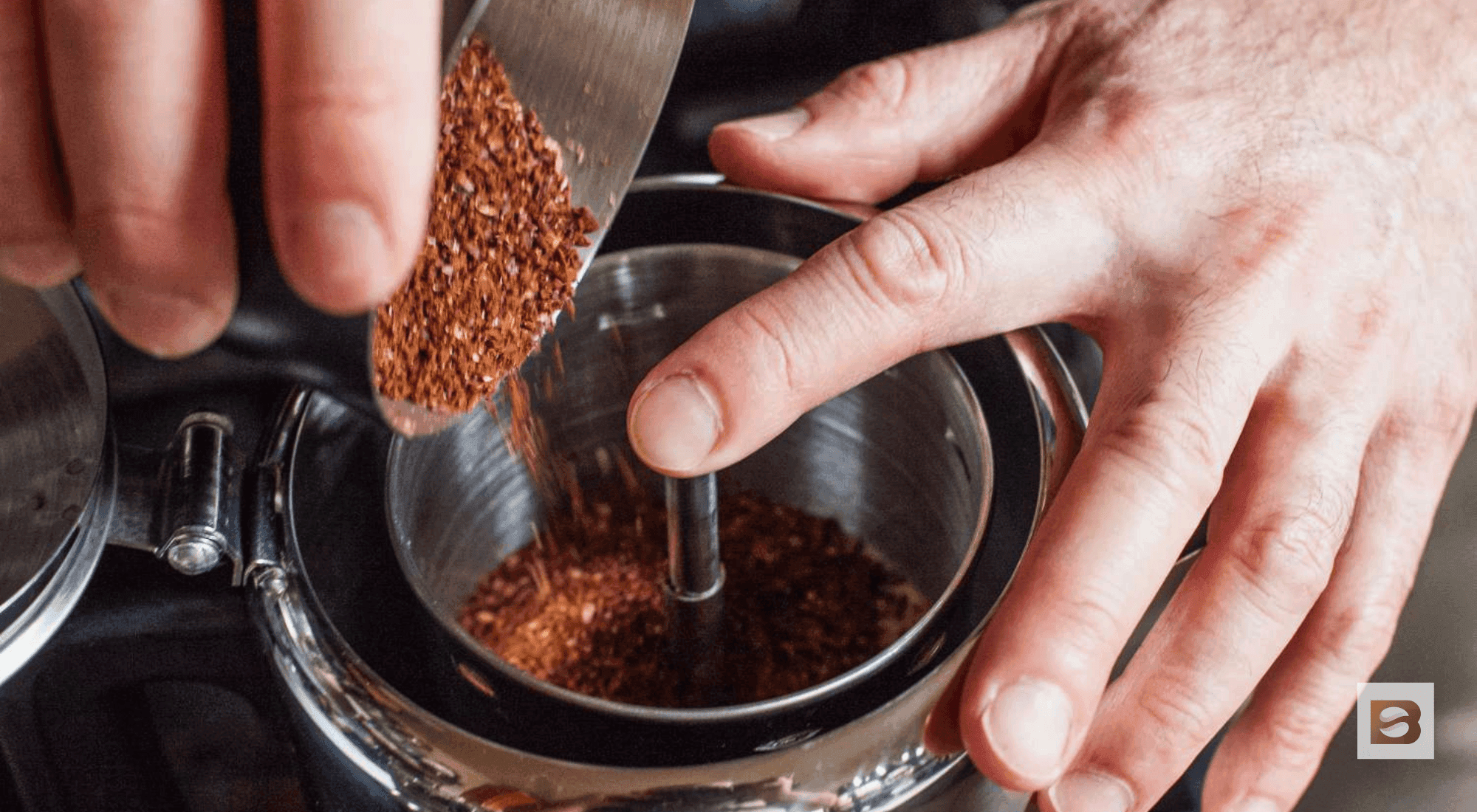
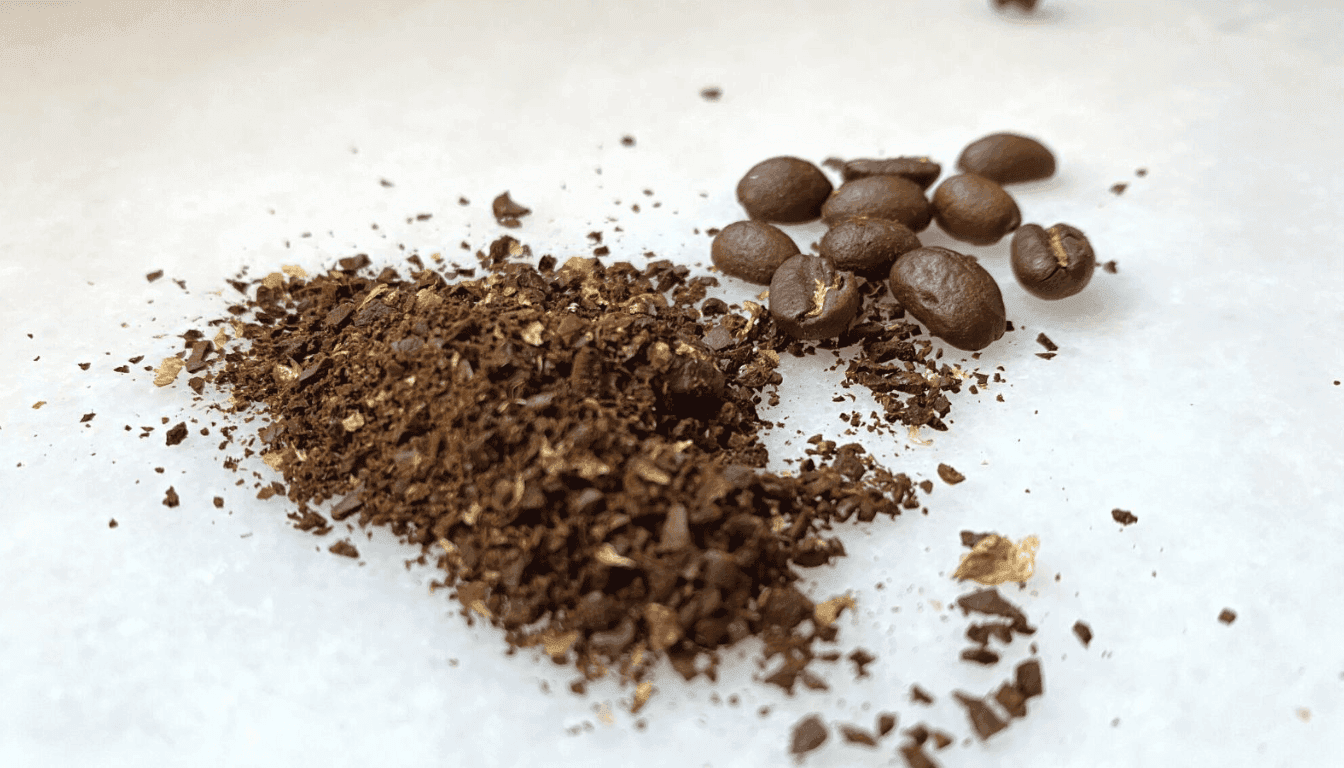
For a percolator, use a coarse grind, roughly the texture of sea salt. The water passes through multiple times at high heat, so a finer grind will over-extract fast and leave you with bitter, harsh coffee.
Coarse grounds slow that process down and give you a better result. In terms of roast, medium to dark roasts shine in a percolator.
The bold, chocolatey, or smoky notes in darker beans hold up well to repeated extraction without turning unpleasant.
For drip brewing, a medium grind is the standard.
The single-pass process combined with paper filtration works beautifully with lighter to medium roasts, where you want clarity and the subtler flavor notes of the ground coffee beans to come through.
Using a dark roast in a drip machine isn’t wrong, but you’re less likely to notice the complexity that made you buy those beans in the first place.
Getting the grind wrong in either method is the number one reason people end up with coffee that tastes terrible. It’s not the machine’s fault.
The Bitter Percolator Myth
Percolator coffee has a reputation for bitterness, and that reputation is largely undeserved.
Bitterness almost always comes down to one of three things: the brew ran too long, the heat was too high, or the grind was too fine. None of those are flaws in the method.
They’re user errors, and they’re all fixable.
When you use a coarse grind, keep the heat at a low simmer rather than a rolling boil, and pull the percolator off the heat between five and eight minutes, you get a rich, smooth, full-bodied coffee that would make even the most committed coffee snobs reconsider their position.
A dirty percolator also contributes. Stale coffee oils that build up inside the pot go rancid and contaminate every brew. A thorough clean every few uses solves that completely.
When a Percolator Wins, No Contest
There are situations where the drip machine simply can’t compete.
If you’re camping, at a cabin, or dealing with a power cut, a stove top percolator works on any heat source and needs nothing except water, ground coffee beans, and fire. No electricity, no paper filters, no fuss.
For large groups, a coffee percolator also has a clear advantage. Many models brew up to thirty or forty cups at once, which no standard drip coffee pot comes close to matching.
If you’re catering an event or feeding a crowd at the weekend, a percolator is the practical choice.
And if you just love a strong, full-bodied cup of coffee that warms you from the inside out, the percolator delivers that in a way that even the best drip coffee maker can’t.
So, Is Percolator Coffee Better Than Drip?
Here’s my honest answer: percolated coffee is better if you want strength, body, and intensity. Drip coffee is better if you want consistency, clarity, and flavors that reflect the quality of the bean.
They’re not competing for the same cup.
If you’re drinking a good single-origin coffee bean and want to taste what makes it interesting, use a drip machine. If you want a punchy, full-bodied brew that gets you moving in the morning, the percolator wins.
The real mistake is assuming one of these brew methods is universally superior. They serve different purposes, and both can produce excellent coffee when used correctly.
The coffee culture conversation around percolators often dismisses them as outdated.
Having worked in coffee for as long as I have, I think that’s a mistake. A well-made cup of percolated coffee is an experience worth having, especially if your experience of drip coffee comes from a cheap drip machine using pre-ground supermarket beans.
Final Thoughts
The percolator or drip coffee maker question doesn’t have a single right answer, but it does have honest ones. Drip coffee makers are consistent, convenient, and excellent for showcasing lighter, more complex roasts.
Percolators brew a bolder, oilier, more intense cup and are indispensable when you need to brew without electricity or in large volumes.
Try both before you commit to either. You might find that keeping one of each on hand gives you the best of both worlds, depending on what kind of morning it is.