All products are independently selected by our editors. If you buy something, we may earn an affiliate commission. Learn More >
Ever noticed single origin or house blend on a coffee menu and wondered what it actually means? These aren’t just buzzwords, they describe two very different ways of roasting and drinking coffee.
A single origin coffee comes from one farm or region, giving you a clear taste of place, whether that’s a citrusy Ethiopian or a chocolatey Colombian. A coffee blend mixes beans from different origins to create a balanced cup that stays consistent year after year.
In this guide, I’ll break down the difference between single origin and blend coffee, explain when to choose one over the other, and share how roasters build flavor profiles you can rely on.
By the time you finish reading, you’ll know exactly which bag of coffee beans to reach for.
What Is Single Origin Coffee?
Single origin coffee is exactly what it sounds like, coffee that comes from a single place. That could mean one specific farm, a cooperative of small farmers in the same region, or an entire growing area within a country.
Instead of mixing beans from different countries, single-origin coffee highlights the unique characteristics of one origin.
Think of it as a way to taste a coffee’s true identity.
A bag of Ethiopian single origin might deliver bright, floral notes with a citrusy finish. A Colombian coffee, on the other hand, often leans toward chocolate and nutty flavors.
Each region develops its own signature profile based on climate, soil, and processing methods.

Because single origin coffee is focused on clarity and nuance, it’s usually roasted on the lighter side. This lets the natural flavor notes shine through instead of being masked by dark roast smokiness.
You’ll get the most out of these beans with manual brewing methods like pour-over, Chemex, or AeroPress. These brew styles give you more control over extraction and let the subtle flavors come forward in your cup of coffee.
The catch?
Single origin coffees are often seasonal. Since coffee is an agricultural product, harvest times vary across countries. A roaster might feature a Costa Rican lot for a few months, then move on to fresh coffee beans from Brazil or Latin America.
That’s part of the fun if you’re a coffee nerd, but it also means you won’t always find the same bag of coffee year-round.
What Is a Coffee Blend?
If single origin is about celebrating one place, a coffee blend is all about balance. Roasters combine beans from different countries to create a cup that’s smooth, reliable, and works well in all kinds of brewing.
Think of a blend as the greatest hits album of coffee. One origin might bring sweetness, another adds body, and a third balances it with acidity.
When you put them together, you get a flavor profile that’s rounder and more consistent than any single bean on its own.
This is why most cafés use blends for their house espresso. Espresso needs sweetness, acidity, crema, and depth. A single origin coffee might hit one or two of those marks, but a blend can cover them all at once.
It’s what gives you that balanced cup that holds up well with milk and sugar, whether it’s in a latte, cappuccino, or flat white.
Roasters also lean on blends for practical reasons:
- Consistency year after year. Coffee is seasonal, so blending beans from different harvests smooths out the variations.
- Supply and cost. If one crop is short, another origin can fill the gap without changing the flavor too much.
- Signature style. Just like a chef’s recipe, every roaster has their own blend formula, sometimes kept as tightly guarded as a family secret.
Brands like Peet’s built their reputation on signature blends, and most independent roasteries offer at least one house blend. It’s a way to give drinkers a familiar coffee experience no matter when or where they buy it.
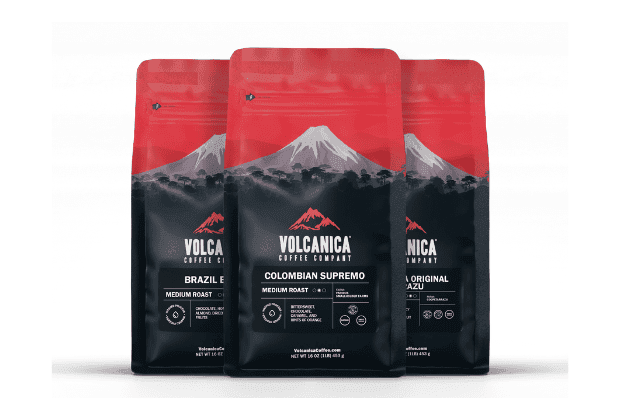
3-Pack Exotic Coffee Bundle, Brazil, Colombian, Costa Rica
The Volcanica Exotic Coffee Bundle includes three best-selling coffees. This bundle is perfect for coffee lovers looking to expand their horizons with our customers’ favorite picks in one package.
Single Origin vs Blend Coffee: Key Differences
Now that we’ve looked at both types on their own, let’s put them side by side.
Single-origin beans shine when you want clarity and character from one place. Blends are built for balance and consistency.
Here’s how they stack up:
| Feature | Single Origin Coffee | Coffee Blend |
|---|---|---|
| Flavor Profile | Unique, specific to one farm or region. Bright, floral, or chocolate and nutty depending on the origin. | Balanced and smooth, combining sweetness, body, and acidity for a rounded cup. |
| Seasonality | Often limited to harvest cycles, availability changes throughout the year. | Designed to be consistent year-round, using beans from different origins. |
| Price | Usually higher, since they highlight premium lots or rare crops. | Often more affordable and scalable, especially for cafés. |
| Best Brewing Methods | Manual brewers like pour-over, Chemex, or AeroPress to highlight flavor notes. | Espresso machines and everyday drip coffee makers, especially for milk drinks. |
| Experience | Lets you taste a coffee from a single farm or growing region, almost like wine tasting. | Offers a familiar “house blend” taste that feels comforting and reliable. |
When you drink a single origin, you’re tasting a coffee that comes from one place and one harvest. It’s like getting to know the personality of that origin, quirks and all.
A blend, on the other hand, is built to please a wide range of palates, the kind of coffee you can count on to taste the same every morning.
When Should You Choose a Single Origin or a Blend?
There’s no right or wrong answer here, it really comes down to how you like your daily cup of coffee. Both single origin and blends can shine in different situations.
If you enjoy exploring flavors, single-origin coffee is the way to go.
Think of it as traveling the world without leaving your kitchen. One bag might take you to Colombia with chocolate and nutty notes, the next to Ethiopia with a burst of citrus and floral aromas.
It’s a great choice if you brew with a pour-over, Chemex, or AeroPress, since these methods bring out all the nuance.
Blends, on the other hand, are perfect when you just want a reliable cup. They’re designed to taste the same year after year, which is why cafés use them for their house espresso.
If you take your coffee with milk and sugar, you’ll probably find blends more satisfying because they stay bold and balanced.
Here’s a simple way to think about it:
- Go for single origin when you’re in the mood to taste something unique.
- Stick with blends when you want consistency and a balanced cup that works well in milk drinks.
So, choosing between a single origin or a blend really depends on your preferences and how you like to brew.
How Coffee Roasters Blend Beans
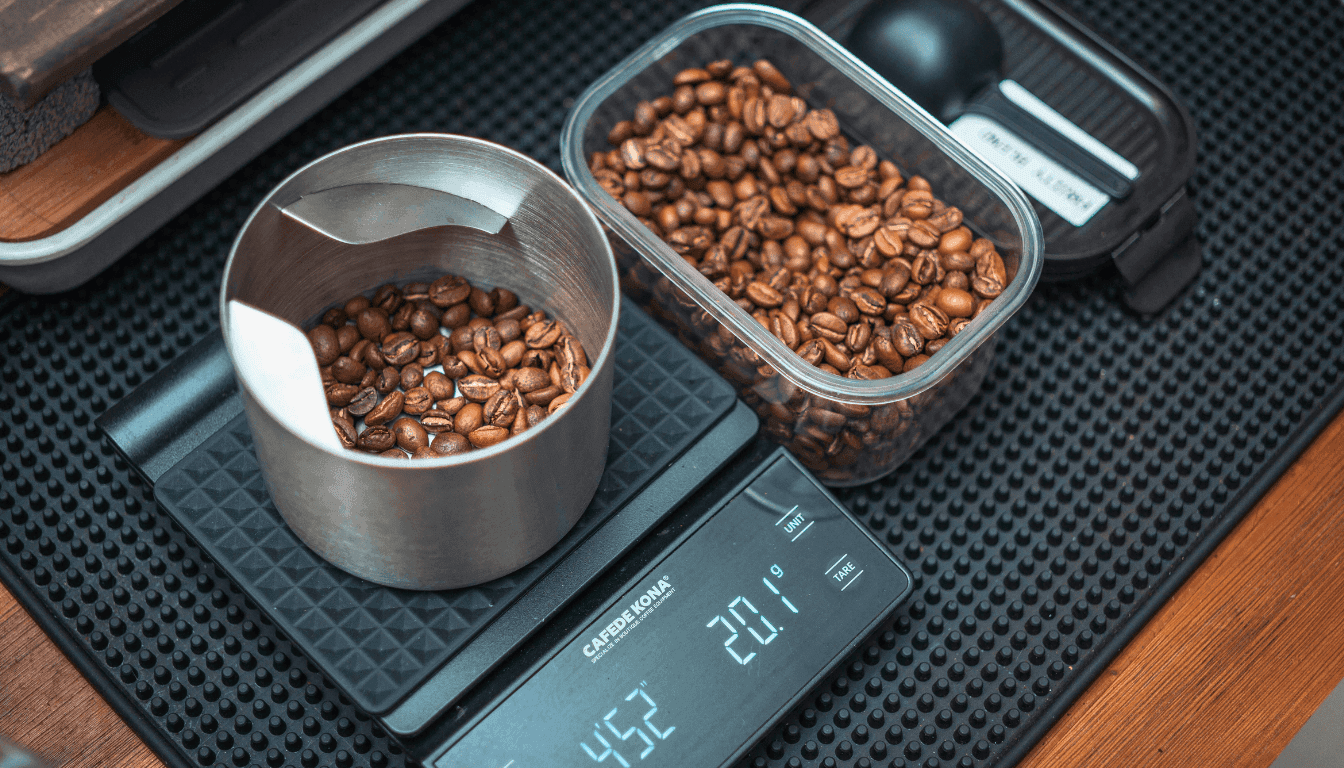
Roasters have a few tricks up their sleeve when it comes to creating a good blend of coffee. The goal is always the same, to build a flavor profile that’s balanced and consistent no matter the season.
There are two main approaches:
- Pre-roast blending. Different coffee beans are mixed together before roasting. This can create a unique harmony of flavors, almost like the beans are cooking into each other.
- Post-roast blending. Each origin is roasted separately, then combined afterward. This gives the roaster more control, since different beans often need different roasting times to achieve the desired tasting notes.
Why does this matter?
Well, coffee beans aren’t all the same. Some are denser, some are larger, and some have higher moisture content. If you roast them all together, certain beans might come out underdeveloped while others over-roast.
That’s why many roasters prefer blending after roasting, especially if the beans come from very different origins.
But there’s no single rule.
Every roastery develops its own recipes, and often those formulas are treated like trade secrets. A signature blend might evolve slightly throughout the year as new harvests come in, but the goal is to keep the cup tasting the same.
That’s what gives you the familiar comfort of a house coffee blend every time you brew it.
FAQs About Single Origin and Blends
Is single origin coffee stronger than a blend?
Not necessarily. Strength depends more on the roast level and how you brew it. Single origin coffee is often lighter roasted to highlight flavor notes, while blends can be roasted darker for a bolder taste.
Is a blend coffee inferior to single origin?
Not at all. A good blend is designed to bring balance and consistency. Some blends combine beans from different countries in a way that complements each other beautifully. The only time a blend feels inferior is if it’s made with lower-quality beans to cut costs.
Which is better for espresso?
Most roasters lean toward blends for espresso. That’s because espresso needs sweetness, acidity, body, and crema all at once. A blend can cover those bases, while a single origin coffee might lack one of them. That said, adventurous drinkers sometimes enjoy the unique punch of a single-origin espresso.
Which has more flavor notes?
Single-origin specialty coffee usually highlight a specific flavor profile from one farm or region, like citrusy Ethiopian or nutty Colombian. Blends tend to smooth those edges into a balanced cup. If you want nuance and complexity, go single origin. If you want something well-rounded and comforting, stick with a blend.
3-Pack Exotic Coffee Bundle, Brazil, Colombian, Costa Rica
The Volcanica Exotic Coffee Bundle includes three best-selling coffees. This bundle is perfect for coffee lovers looking to expand their horizons with our customers’ favorite picks in one package.
Final Thoughts
At the end of the day, choosing between a single origin and a blend comes down to what you enjoy most in your cup of coffee.
If you want to taste the character of a specific farm or growing region, single-origin coffee is your best bet. It’s like tasting a snapshot of one place and one harvest, allowing you to sip the essence of that region.
If you’d rather have a balanced cup that tastes the same year after year, blends are the way to go. They’re dependable, comforting, and perfect if you take your coffee with milk or just want something consistent every morning.
My advice?
Try both side by side. Brew a bag of single origin beans from Colombia and compare it to a roaster’s house blend.
You’ll quickly see the difference between single origin and blend coffee, and from there you’ll know which one fits your daily routine.