All products are independently selected by our editors. If you buy something, we may earn an affiliate commission. Learn More >
Ask around about what coffee Starbucks uses for cold brew and you’ll hear “Arabica” thrown back at you, as if that settles it. It doesn’t.
After more than twenty years working with coffee in professional kitchens, bars, and restaurants, I can tell you the real answer is considerably more specific, and considerably more interesting, especially if you want to make a good copycat version at home.
Let’s take a closer look.
The Blend Behind Every Starbucks Cold Brew
Starbucks uses a custom coffee blend called Nariño 70 for all of its cold brew coffee. It’s a 100% Arabica, medium roast blend made up of 70% coffee from the Nariño region of Colombia and 30% East African coffee.
This is the same blend used across every Starbucks cold brew beverage in store, and it’s also sold as Cold Brew Pitcher Packs, making it the easiest route to replicating the drink at home.
The name Nariño 70 is a direct nod to the Colombian majority, specifically the Nariño department in southwest Colombia, a high-altitude growing region that consistently produces some of the most characterful Arabica coffee beans in the world.
Why Nariño Coffee Changes Everything in Cold Brew
Here’s the part that genuinely surprised me when I first came across Starbucks coffee. Nariño coffee pulled through as an espresso roast tastes intensely herbal, heavy, almost medicinal.
Not what you’d expect from the foundation of a smooth, chocolatey cold brew.
But when you steep those same beans cold, something shifts. The herbal intensity drops away and you get roundness, chocolate, natural sweetness, and a fuller body.
Cold brewing unlocks a completely different side of the bean, one that hot extraction would never reveal. That flavor transformation is the whole reason Nariño sits at 70% of the Starbucks cold brew beans blend. It delivers the chocolate notes and the soft, smooth base that Starbucks cold brew is known for.
What the East African Beans Add
The remaining 30% of the blend is East African Arabica coffee, and it does important work. Without it, the Nariño component would produce a rich but one-dimensional cup.
East African coffees, particularly washed beans from Ethiopia and Kenya, bring brightness and a light citrus quality that lifts the whole drink.
That subtle citrus note you might detect in a Starbucks cold brew? That comes from the African side of the blend. It stops the drink from sitting flat and gives it a clean, refreshing finish that works particularly well served over ice cubes. Colombia brings the body and sweetness.
East Africa brings the lift. Together, they produce a cold coffee that holds up well without anything added to it.
Why Medium Roast, Not Dark
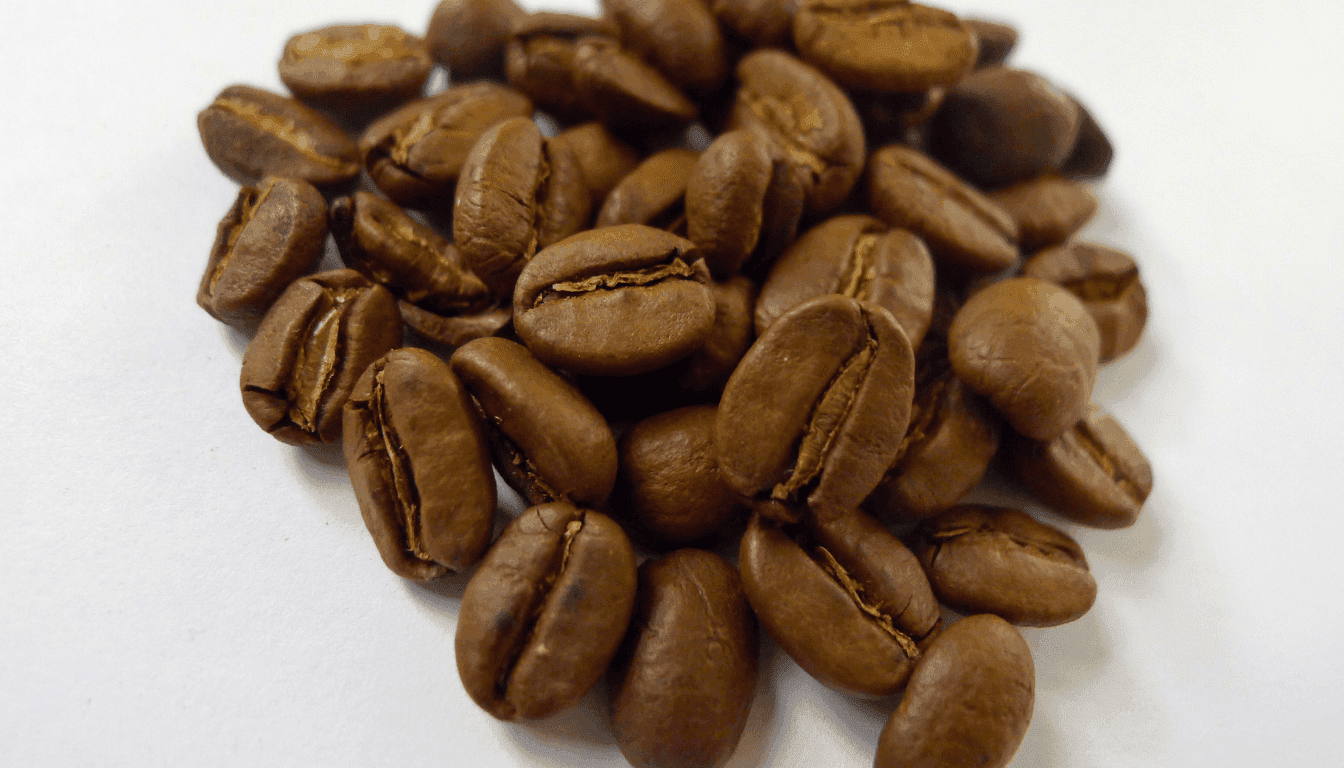
A lot of people assume cold brew needs a dark roast for bold flavor. It’s one of the most common misconceptions I come across, and it’s worth addressing directly.
A dark roast has most of its origin character roasted away. What you taste is largely the roast itself, which in cold brew can read as ashy or bitter without the heat that would normally soften those edges.
A medium roast preserves the natural sugars and the origin-specific flavors of the bean, the exact things that make cold brew smooth and naturally sweet. That’s why the Nariño 70 blend is medium roasted. The bean does the work, not the roast level.
The same logic applies when choosing between a light roast and a medium roast for cold brew at home. Light roast can work, but it often lacks the body you want in a long cold steep. Medium roast hits the sweet spot.


Cold Brew vs Iced Coffee: Why the Bean Choice Matters
Cold brew and iced coffee are not the same thing, and the difference matters more than most people realize when it comes to choosing your beans.
Iced coffee is brewed hot, whether through a drip coffee maker or another hot brewing method, and then poured over ice. Heat extracts quickly and drives off volatile acids in the process.
Cold brew uses no heat at all. The ground coffee steeps in cool filtered water for an extended period, relying entirely on time and water to extract the flavor. There’s nothing to neutralize acids or coax out compounds that only emerge under pressure.
This is why the Nariño 70 blend is purpose-built for cold steeping rather than a general-use coffee. It’s naturally lower in acidity, rich in natural sugars, and produces a full-bodied, less acidic brew that works entirely without heat.
Drop the wrong beans into cold water and steep them for 24 hours and you’ll end up with something flat and muddy. The right coffee beans make a far bigger difference in cold brew than they do in hot brewing methods.
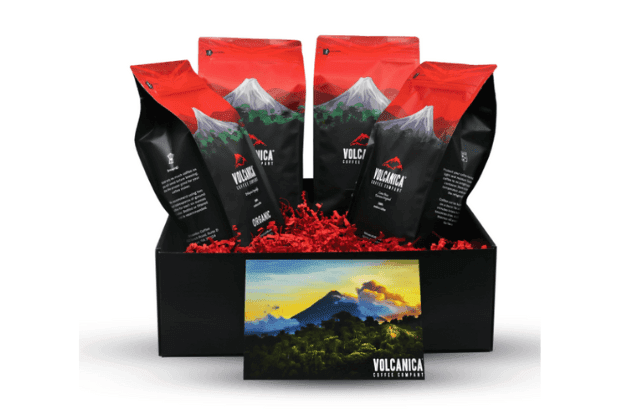
Volcanica Coffee Lover Gift Box
The perfect gift box for the average avid coffee drinker, this gift box includes the best-selling products all in one package. Explore the taste of favorite coffees from around the world from the comfort of home.
How to Make Starbucks Cold Brew at Home
The simplest path to making Starbucks cold brew at home is to buy Starbucks Cold Brew Pitcher Packs. They contain pre-ground Nariño 70 coffee, the exact same blend your barista uses in store. Drop two packs into a pitcher, add cool filtered water, cover and steep in the fridge for 24 hours, then serve over ice.
If you’d rather use whole-bean coffee and a coffee grinder, here’s a straightforward cold brew recipe that works well:
- Grind on a coarse setting. Coarse ground coffee should look and feel roughly like raw sugar.
- Use a coffee-to-water ratio of 1 cup of grounds to 4 cups of filtered water, adjusting to taste.
- Steep in a mason jar or pitcher in the fridge for 20 to 24 hours.
- Strain through cheesecloth or a fine mesh strainer into a clean jar.
What you’re left with is a cold brew concentrate. Store your cold coffee at home undiluted in the fridge for up to two weeks. To serve, dilute roughly 1:1 with cold water and pour over ice.
Add a sweetener or a splash of milk if you like, but a good cold brew made with the right beans doesn’t need much dressing up.
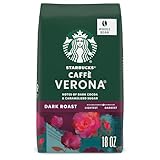
If you can’t find the Nariño 70 blend specifically, Starbucks Pike Place Roast or Verona are reasonable alternatives for making cold brew coffee at home, though neither is designed for cold steeping the way Nariño 70 is.
Final Thoughts
The coffee beans Starbucks uses for cold brew come down to one purpose-built blend: Nariño 70. Seventy percent Colombia Nariño for the chocolate, roundness, and body.
Thirty percent East African for the citrus brightness and lift. Medium roasted to keep the origin flavors intact rather than overriding them with roast character.
If you want to make Starbucks cold brew at home, you don’t need to guess at anything. The pitcher packs put the exact same Starbucks beans in your hands.
Steep them cold, give them time, and you’ll have a genuinely great cold coffee that rivals what you’d pick up at any coffee shop.