All products are independently selected by our editors. If you buy something, we may earn an affiliate commission. Learn More >
If you’ve ever looked at espresso machines online, you’ve probably wondered why so many come with a shockingly high price tag. Two thousand dollars for a coffee machine? Even the mid-range ones aren’t cheap.
So what makes these machines so expensive? Are you paying for better coffee, or just a shiny piece of equipment on your counter?
Espresso is one of the most demanding ways to brew coffee. A proper espresso machine needs to create high pressure, control water temperature within a degree or two, and repeat that consistently every shot. That level of precision comes at a cost.
In this guide, I’ll break down what drives the price of espresso machines, what you’re really paying for, and when it’s worth spending more for your setup at home.
What Makes an Espresso Machine Different from A Regular Coffee Machine
Before diving into the cost, it helps to understand what makes an espresso machine so special.
Espresso isn’t just “strong coffee.” It’s brewed by forcing hot water through finely ground coffee at around nine bars of pressure – roughly nine times the atmospheric pressure at sea level.
That pressure extracts rich oils, flavors, and crema that you simply don’t get from drip coffee.
To handle that process, an espresso machine needs:
- A powerful pump to build consistent pressure.
- A boiler system (sometimes two) to heat and stabilize water temperature.
- A group head and portafilter made from solid metal that can withstand constant high heat and pressure.
- A steam wand for texturing milk.
A regular coffee machine, even a high-end drip brewer, doesn’t need to do any of that.
It heats water and lets gravity do the work. Espresso machines, on the other hand, are miniature pressure systems designed for tight control and durability.
That’s one reason the cost of an espresso machine starts higher – the parts themselves have to be stronger, heavier, and more precise.
And that’s just the beginning.
Three Main Reasons Espresso Machines Are Expensive
There’s no single culprit here. Espresso machines cost more because several key factors stack up together. Let’s break them down.
1. Cost of Materials and Engineering
An espresso machine isn’t made from lightweight plastic and a couple of wires. It’s packed with metal parts designed to handle both heat and pressure.
The internal frame, boiler, valves, and fittings are usually made from stainless steel, brass, or copper, all of which resist corrosion and retain heat evenly.
These materials cost more to source and manufacture, and they’re also harder to work with. A single boiler has to be precision-welded and tested to make sure it won’t crack or leak under pressure.
Even the outer casing contributes to the cost.
High-end espresso machines use thick stainless steel panels instead of thin sheet metal. Add in CNC-machined group heads, brass portafilters, and insulated copper tubing, and suddenly you’re not just paying for a coffee maker – you’re buying a small piece of industrial engineering.
And my own testing backs this up. Machines that use cheaper materials, like aluminum boilers or plastic brew heads, often struggle to hold temperature or deliver consistent pressure.
The espresso coffee tastes flat or burnt because the machine can’t keep up. You really do get what you pay for.
2. Low Production Volume
Unlike drip coffee makers, espresso machines aren’t mass-produced in the tens of millions. Most are built in relatively small batches by specialty manufacturers in Italy, Germany, or China.
The combination of skilled labor and smaller production runs means each unit costs more to make.
Even popular brands like Breville or DeLonghi only sell a fraction of what mainstream coffee makers move each year.
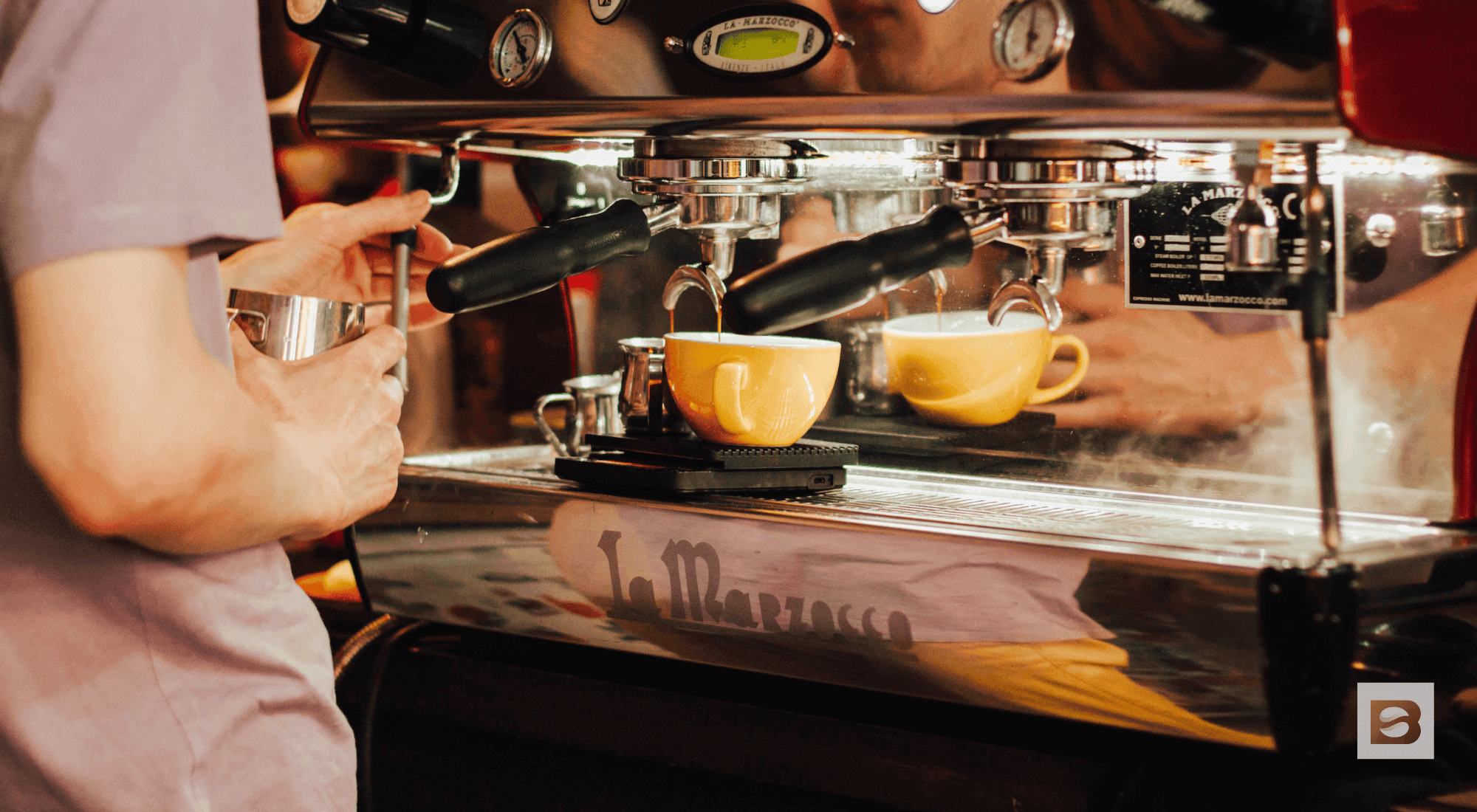
And for boutique brands like La Marzocco or ECM, the craftsmanship is practically hand-assembled, with testing, calibration, and quality checks that take time.
Fewer machines mean higher per-unit costs. It’s simple economics.

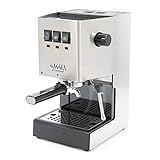
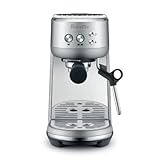
3. Advanced Features and Brand Premiums
The jump in price between an entry-level and high-end espresso machine usually comes down to features and brand reputation.
A cheap espresso machine might only have a single boiler and basic temperature control. But higher-end models come with perks like:
- Dual boilers (one for brewing, one for steaming)
- PID temperature control for precise heat stability
- Programmable shot volumes
- Rotary pumps for quieter, smoother pressure
- Flow control and pre-infusion settings for dialing in your espresso exactly
Those extras make the machine more capable, consistent, and user-friendly, but they also add cost.
And then there’s the brand factor. Names like Breville, DeLonghi, and La Marzocco carry trust and after-sales service.
You’re paying for the engineering behind the name and the warranty support if something goes wrong.

Is the High Price Tag Worth It?
This is where things get personal. Are expensive espresso machines really worth the money?
If you’re the kind of coffee drinker who loves dialing in grind size, timing shots, and steaming silky milk, then yes, investing in a good espresso machine can be worth every penny.
You’ll get better coffee, more control, and the satisfaction of being your own home barista.
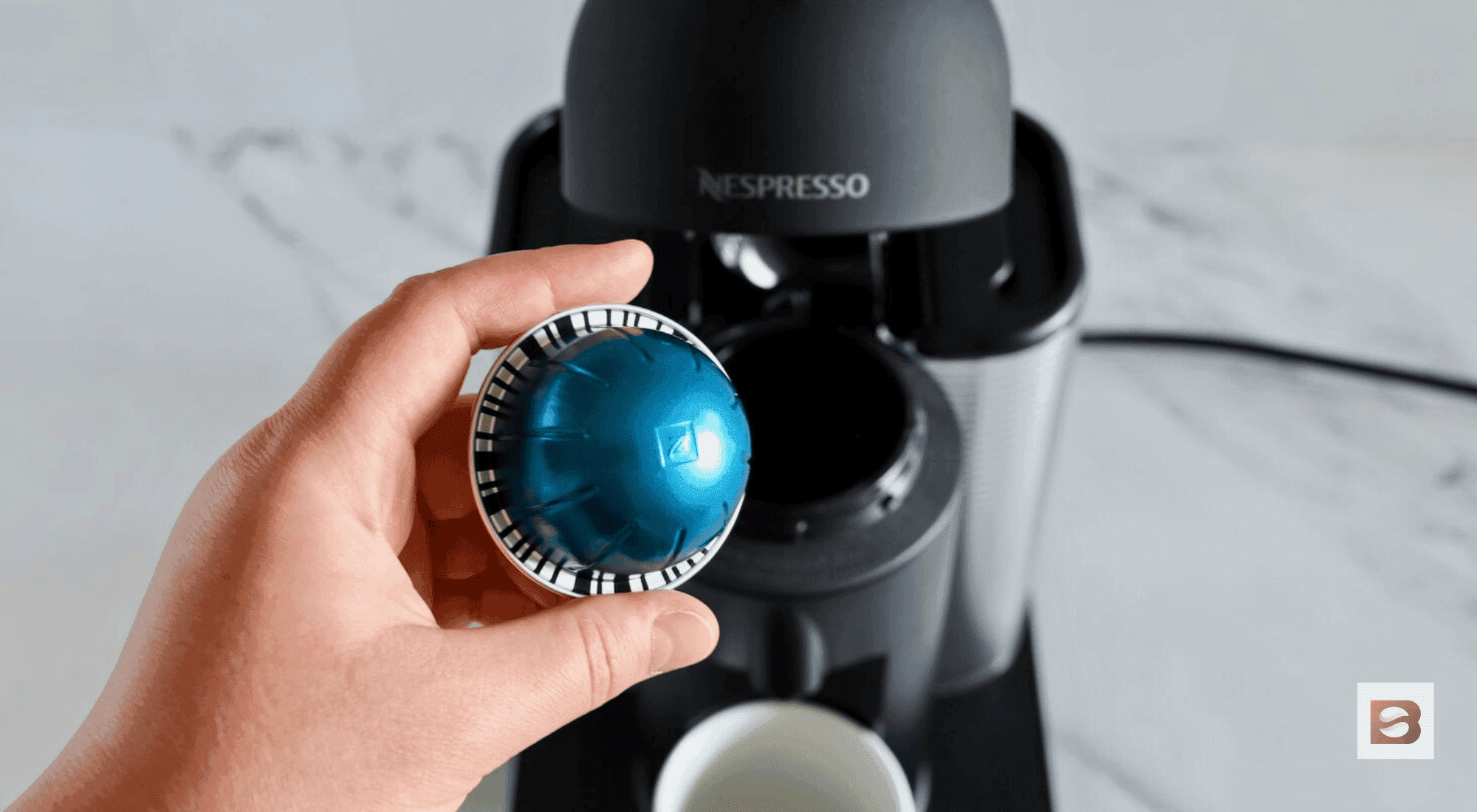
But if your goal is just a quick caffeine fix, a cheap espresso machine or even a Nespresso might do the job.
The return on investment depends on how often you’ll use it and how serious you are about perfecting your espresso shot.
Here’s a quick rule of thumb:
- Casual drinkers: A solid entry-level machine like the Breville Barista Express gives you everything you need without overkill.
- Home baristas: A prosumer machine (think Lelit Bianca or Rancilio Silvia Pro) delivers commercial-grade performance for home use.
- Coffee shop regulars: You’ll likely outgrow a cheap espresso machine quickly, so investing early in a better one might save money in the long run.
Remember, espresso is a system. Your machine, grinder, beans, and technique all work together. Without a good burr grinder, even the best espresso machine can’t save you.
What Features Raise the Cost (And Which Ones You Can Skip)
Let’s look at what you’re actually paying for – and whether it’s worth the upgrade.
| Feature | Why It Adds Cost | Do You Need It? |
|---|---|---|
| Dual Boiler | Lets you brew and steam milk simultaneously | Great for milk drinks, overkill for espresso-only |
| PID Controller | Keeps temperature rock-steady | Worth it if you want consistent flavor |
| Rotary Pump | Quieter and more durable than vibration pumps | Nice to have, not essential |
| Pressure Profiling | Adjusts pressure during extraction | For coffee geeks only |
| Stainless Steel Casing | Improves durability and heat retention | Adds longevity and looks premium |
| Built-in Grinder | All-in-one convenience | OK for beginners, but separate grinder is better |
| Smart Controls / App Integration | Custom shot programming | Not a must, but fun to play with |
The takeaway?
Expensive doesn’t always mean better for you. Buy features you’ll actually use.
If you mostly make espresso and drink it black, focus your budget on a solid boiler and consistent pressure system, not digital screens or Wi-Fi connectivity.
How to Decide Whether to Invest in an Expensive Espresso Machine
Ask yourself these questions before pulling the trigger:
- How often do you drink espresso? If it’s every morning, the investment makes sense. But if it’s once a week, a cheaper machine or manual espresso brewer might be smarter.
- Do you have the patience to learn? Espresso making involves dialing in grind size, tamping evenly, and adjusting extraction times. An expensive machine won’t do the learning for you.
- Do you already have a good grinder? Don’t blow your budget on the machine alone. Pair it with a high-quality espresso grinder like the Baratza Sette or a burr grinder designed for fine settings is essential for making great espresso at home.
- Are you OK with maintenance? High-end espresso machines often need descaling, gasket changes, and occasional servicing. A good coffee enthusiast treats maintenance as part of the ritual.
If your answers lean toward “yes,” then you’ll likely appreciate what a pricier machine can do – from stable temperatures to the rich flavor of a properly extracted shot of espresso.
If not, you might be better off with a mid-range or cheap espresso machine and investing the savings into top-quality coffee beans.
Final Thoughts
Espresso machines are expensive because they’re built to do something incredibly precise. They need to handle high pressure, maintain exact temperature, and repeat that performance every single time.
Between the materials, labor, engineering, and features, the cost of an espresso machine makes sense once you see what goes into it.
But when you buy an espresso machine, expensive doesn’t automatically mean better.
What matters is finding the machine that fits your habits, budget, and taste. Some of the best espresso you’ll ever drink might come from a modest home espresso machine in the hands of someone who knows how to use it well.
So when you’re shopping for a coffee machine, don’t just chase the highest price tag. Look for smart design, solid build, and features that make your coffee taste better.
Because at the end of the day, the goal isn’t to own the most expensive espresso machine – it’s to enjoy the perfect espresso.