All products are independently selected by our editors. If you buy something, we may earn an affiliate commission. Learn More >
Some mornings I want clarity and brightness. Other mornings I want a bold, full-bodied cup that feels like it could stand up on its own.
That’s when I reach for my French press.
The French press makes coffee differently than drip machines. It keeps the oils. It lets the coffee steep fully. It gives you texture and weight that paper filters strip away.
And that means the coffee beans you choose matter more than most people realize.
If you want the best coffee for your French press, you can’t just grab any bag off the shelf and hope for magic. You need the right roast, the right grind, and the right type of coffee bean for how this press method actually works.
Have I piqued your interest? Let’s get into it.
First, Why Coffee Matters More in a French Press
The French press is simple. That’s part of the appeal.
But simple doesn’t mean forgiving.
The French press is an immersion brew method. The coffee grounds and water sit together for several minutes before you press the plunger. There’s no paper filter, no fast drip – everything stays in the cup.
That includes the oils from the coffee bean. And those oils carry flavor and texture.
That’s why French press coffee feels heavier than drip coffee. It’s thicker. More rounded. Sometimes almost chewy.
It also means the bean quality shows up fast. If the coffee is stale, you’ll taste dullness. If the roast is harsh, you’ll notice it immediately. If the grind is too fine, the whole French press brew turns bitter and sludgy.
Sure, the French press makes great coffee. But only if the coffee going in is decent.
Quick Comparison: Best French Press Coffee Beans
Here’s a quick overview before we dive deeper.
| French Press Coffee | Roast | Whole Bean or Ground | Best For | Flavor Profile |
|---|---|---|---|---|
| Ethiopian Yirgacheffe Coffee | Medium | Whole Bean | Bright complexity | Floral, berry, citrus |
| Peet’s Major Dickason’s Blend | Dark | Ground | Bold classic profile | Chocolate, earthy |
| Lavazza Classico | Medium | Ground | Balanced daily brew | Nutty, smooth |
| Kicking Horse Kick Ass | Dark | Whole Bean | Big dark roast fans | Smoky cocoa |
| Lifeboost Embolden Dark Roast | Dark | Whole Bean | Low acidity drinkers | Chocolate caramel |
| Organic Bali Blue Moon | Medium | Whole Bean | Earthy depth | Herbal spice |
| Peak Performance High Altitude | Medium | Whole Bean | Clean brightness | Crisp, smooth |
| Fabula Low Acid Organic | Medium | Whole Bean | Sensitive stomachs | Soft sweetness |
Now let’s talk through each one properly.
8 Best Coffee Beans for A French Press 2026
Not all coffee beans behave the same once they hit hot water and sit for four minutes. Some shine in a French press. Others fall flat.
Below are eight of the best coffee beans for French press that consistently deliver body, balance, and flavor.
Whether you prefer bright and fruity or bold and smoky, there’s a coffee here that will make your next brewed coffee noticeably better.
Volcanica Ethiopian Yirgacheffe Coffee

If you want your French press coffee to feel expressive, this is where I’d point you first.
Yirgacheffe beans are known for floral and fruit-forward notes. In a drip setup, those flavors can feel delicate. In a French press coffee maker, they gain weight without losing their identity.
The first time I brewed this in a press, the aroma hit before I even poured the cup.
In the cup of coffee you’ll notice:
- Bright berry sweetness that feels juicy rather than sharp
- Light citrus that stays clean
- A silky texture thanks to the retained oils
Flavor profile: Floral jasmine, ripe berries, and soft citrus with a clean finish.
If you usually drink dark roast and think fruity coffee isn’t your thing, this might surprise you. It’s lively without being thin.
Peet’s Major Dickason’s Blend

This is a classic dark roast comfort coffee.
Peet’s Major Dickason’s Blend is a 100 percent Arabica coffee blend known for depth and boldness. In a French press, it becomes thick and satisfying.
This is the kind of coffee I brew when I want something steady and grounding.
In your cup of French press coffee:
- Deep chocolate richness
- Earthy undertones that anchor the flavor
- A heavy mouthfeel that stands up well to coffee with milk
Flavor profile: Rich chocolate, earthy body, and smoky intensity.
If you want the best coffee to use in a French press for that traditional bold feel, this one delivers.
Lavazza Classico

Lavazza Classico is smooth and consistent.
It’s a medium roast ground coffee blend that doesn’t try too hard. And sometimes that’s exactly what you want.
In a French press brew, it feels rounded and dependable.
You’ll taste:
- Nutty sweetness
- Gentle caramel tones
- Mild acidity that keeps things balanced
Flavor profile: Nutty, smooth, and lightly sweet.
If you’re making coffee every single weekday morning before work, this is a solid everyday option.
Kicking Horse Coffee Kick Ass

This is bold. No pretending otherwise.
Kicking Horse Kick Ass is a dark roast whole bean built for intensity. In the French press method, that intensity deepens even more.
The body feels substantial. Almost dense.
In your coffee mug:
- Smoky dark cocoa
- Brown sugar sweetness underneath
- A lingering finish that sticks around
Flavor profile: Smoky chocolate, dark sweetness, and a long finish.
If you want the best beans for French press that wake you up properly, this does the job.
Lifeboost Embolden Dark Roast

Low acidity but still flavorful.
That’s the balance here.
In a French press, this dark roast coffee becomes rich without edge. It’s strong but not sharp.
You’ll notice:
- Dark chocolate sweetness
- Caramel undertones
- Smooth texture with very little bite
Flavor profile: Sweet chocolate, caramel, and mellow finish.
If coffee may irritate your stomach, but you still love dark roast flavor, this is worth trying.
Freshly Ropasted LLC Organic Bali Blue Moon

Bali Blue Moon from Freshly Roasted LLC has a deeper, more earthy profile.
In a French press brew, that earthiness becomes more pronounced because the oils remain in the cup.
It feels almost rustic. In a good way.
In the cup:
- Herbal and slightly spicy notes
- Thick body
- Soft sweetness beneath the surface
Flavor profile: Herbal spice, rich body, and subtle sweetness.
If you want something different from mainstream profiles, this shifts things up.
Peak Performance High Altitude Organic Coffee

High altitude coffee often has brighter structure.
In a French press, this medium roast keeps that brightness but adds weight from immersion.
It feels clean but still substantial.
You’ll taste:
- Crisp acidity at the start
- Gentle sweetness
- A smooth finish without heaviness
Flavor profile: Bright, crisp, and softly sweet.
If you enjoy clarity with balance, this is a strong choice.
Fabula Low Acid Organic Coffee

Some people just want to drink your coffee comfortably.
Fabula focuses on low acid roasted coffee beans that are easier on digestion. In a French press, it produces a mellow, easy-drinking cup.
It’s smooth without feeling empty.
In your cup:
- Gentle sweetness
- Light cocoa notes
- Rounded mouthfeel
Flavor profile: Soft sweetness, mild cocoa, and smooth body.

If acidity has held you back from enjoying French press coffee, this could be your best coffee for French press solution.
What to Look for in Coffee for a French Press
There isn’t one magic bean. There’s just better alignment between the coffee and the press method.

Here’s what actually makes a difference.
Roast Level
Medium roast and dark roast coffee usually work best in a French press.
Medium roast keeps balance and sweetness. It gives you body without losing clarity.
Dark roast coffee leans into chocolate, smoke, and richness. In a French press, that depth feels amplified because nothing gets filtered out.
Light roast can work. I brew it occasionally when I want brightness. But it takes more dialing in. If you’re after consistent, perfect French press coffee, medium roast is a very safe place to start.
Grind Size
This is where most French press work goes wrong.
You need a coarse grind or a medium coarse grind. Think rough sea salt. Not powder. Not sand. You can find all common coffee grind sizes here.
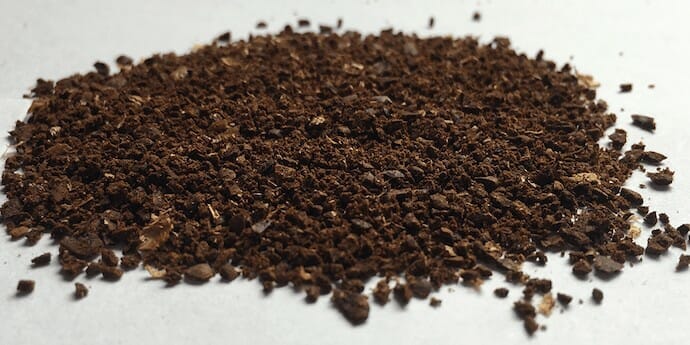
If the grind coffee texture is too fine, the coffee steep over-extracts and leaves sediment everywhere. If it’s too coarse, the cup feels weak and empty.
If you can, buy whole bean coffee and use a burr coffee grinder. Whole bean and ground fresh gives you control over the outcome.
Pre-ground coffee isn’t evil. But most of it is designed for drip coffee, not coarse-ground coffee for a French press.
Freshness
Freshly roasted coffee beans matter more than most people think.
When you pour hot water over fresh ground coffee beans, you’ll see the coffee bloom. That bubbling rise tells you gas is escaping and the coffee still has life.
If coffee didn’t bloom at all, that’s usually a warning sign.
Fresh coffee simply tastes brighter, sweeter, and more alive in a French press. It’s one of the easiest upgrades you can make.
How to Brew Perfect French Press Coffee
Even the best coffee beans for French press need proper technique.
Here’s how I approach it:
- Use a 1 to 15 coffee to water ratio for the perfect cup of coffee.
- Grind to a coarse grind texture
- Pour hot water just off boil over the coffee grounds and water
- Let it sit for 30 seconds, then stir
- Steep for four minutes
- Let the grounds settle for another minute before plunging
- Slowly press the plunger down
That extra settling minute reduces sediment. Small detail. Big difference.
French press makes a bold coffee experience, but patience improves it. If you want a more detailed step-by-step guide, read How To Make French Press Coffee, where I cover everything.
Coffee to Avoid for French Press
A few simple mistakes to avoid when using a French press.
Ultra-fine pre-ground drip coffee is coffee to avoid here. It turns the cup muddy fast. Very old roasted coffee beans that show no bloom are another red flag.
And extremely light roast beans can taste thin unless you really dial things in. Stick with fresh coffee, coarse grind, and balanced roast levels. It makes all the difference.


Final Thoughts on Finding the Best Coffee for French Press
Finding the best coffee beans for a French press isn’t about chasing trends or buying the most expensive bag on the shelf.
It’s about understanding how the French press method works and choosing coffee that complements it – remember:
- Medium roast for balance.
- Dark roast for bold body.
- Whole bean when possible.
- Coarse grind every time.
If I had to point you toward two that consistently deliver in a French press, I’d start with Volcanica Coffee, especially their Ethiopian Yirgacheffe if you enjoy brightness and layered flavor. It’s expressive, clean, and really shows what a French press can do when the bean has personality.
For something smoother and lower in acidity, Lifeboost Coffee is a strong choice for coffee lovers. Their dark roast holds up beautifully in immersion brewing and produces a rich, full-bodied cup without harshness.
At the end of the day, a good coffee bean for a French press is the one that makes you slow down and enjoy the cup. Start with good beans. Grind them coarse. Brew with intention. Then adjust until it tastes right to you.
That’s how you consistently make great French press coffee at home.
If you’ve got the beans sorted but you’re still not sure you’re using the right press, take a look at my guide to the best French press coffee makers. I break down what actually matters, from build quality to filter design, so you can match great coffee with the right equipment.