All products are independently selected by our editors. If you buy something, we may earn an affiliate commission. Learn More >
You pull a shot of espresso. The crema looks beautiful. The aroma hits instantly.
Then someone says, “Drink it quick before it dies.”
If you’ve spent any time in the world of coffee, you’ve probably heard that rule. Some baristas even claim an espresso shot dies within 10 seconds.
I’ve heard that line countless times over the years, in busy cafés, hotel kitchens, and training sessions for new baristas. It gets repeated so often that many coffee lovers assume it must be true.
But here’s the thing.
Espresso doesn’t suddenly die.
What actually happens is far more interesting, and once you understand it, making better espresso at home becomes a lot easier.
The Short Answer: Do Espresso Shots Really Die?
Let’s clear this up straight away.
Espresso doesn’t die.
What people call a “dead espresso shot” is really just espresso that has started to change. As the shot sits, the crema dissipates, the temperature drops, and oxidation slowly begins to affect the coffee.
That change takes time.
You’ll often hear the claim that an espresso shot dies within 10 seconds. In reality, that timeline is far too short. A well-pulled shot can taste great for several minutes.
In fact, something interesting happens during the first minute.
Extremely hot coffee can make subtle flavors difficult to taste. As the espresso cools slightly, sweetness and acidity often become clearer.
Many professional coffee tasters actually wait a short moment before evaluating a shot for this exact reason.
So if you’re wondering whether an espresso shot dies instantly, the answer is no. The flavor simply evolves as the coffee cools and interacts with air.
So, Where the “Dead Espresso Shot” Myth Came From
The idea of a dead espresso shot didn’t come from coffee science.
It mostly came from café workflow.
In busy coffee shops, speed matters. When drinks pile up during the morning rush, baristas need simple rules that keep the line moving.
Many coffee chains taught baristas that a shot dies after 10 seconds. The goal wasn’t scientific accuracy. It was operational discipline.
If a barista pulled a shot and then got distracted steaming milk or chatting with a customer, the drink quality could suffer. Saying “use the shot immediately” helped keep the workflow tight.
Over time that simple rule spread through the coffee world.
I remember hearing it years ago in busy kitchens. Someone would shout, “That shot’s dead, pull another one.”
Nobody questioned it. Everyone just repeated it.
And eventually the phrase “dead espresso” became common language among coffee lovers.
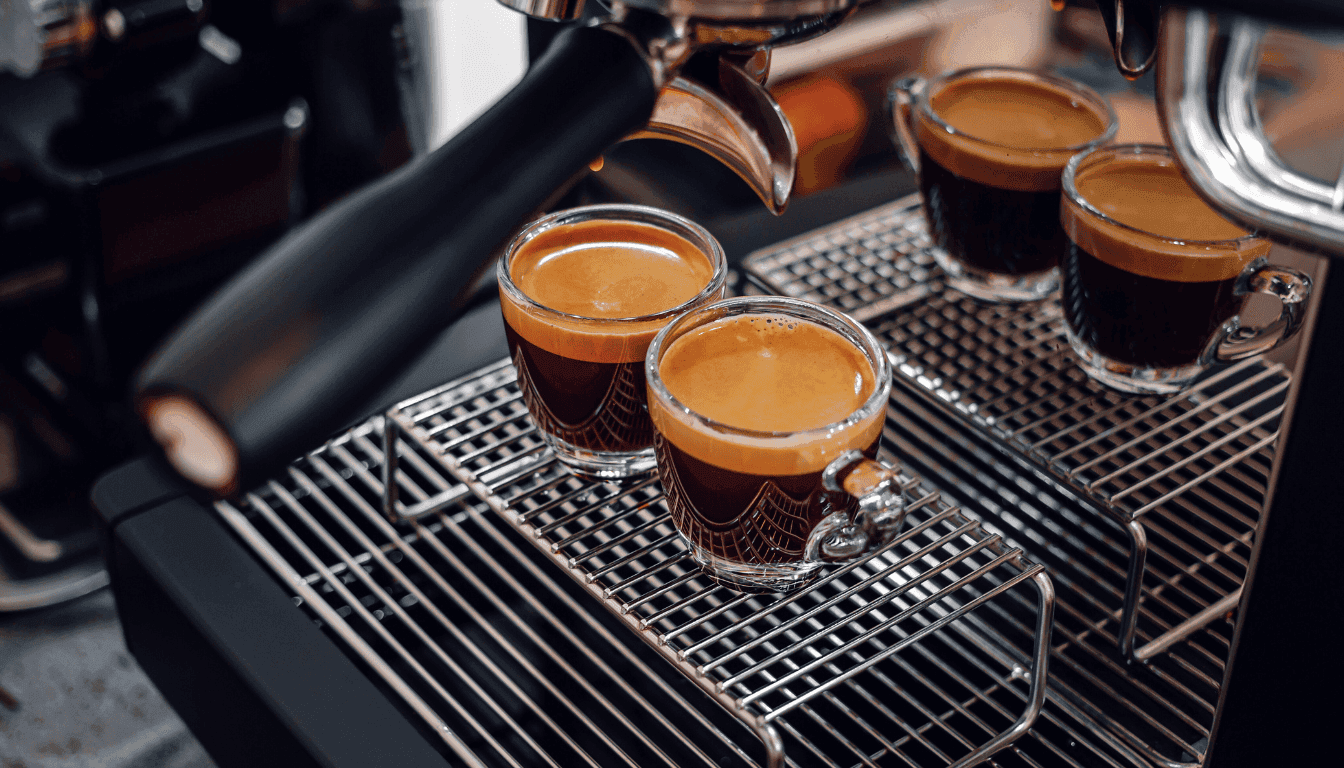
What Actually Happens When an Espresso Shot Sits
Pull a shot from an espresso machine and several changes start happening right away.
The coffee begins reacting with air. The crema slowly breaks down. The temperature starts to drop.
None of this means the espresso has died. It simply means the espresso is evolving.
Oxidation Begins
The moment espresso is brewed, it begins interacting with oxygen.
This process is called oxidation.
Oxygen slowly alters the flavor compounds in coffee. The oils extracted from the coffee beans start reacting with air, which can eventually lead to a flatter taste.
But this process is gradual.
It takes minutes before oxidation noticeably affects flavor. A fresh shot that sits briefly will still taste vibrant and balanced.
The Crema Starts to Dissipate
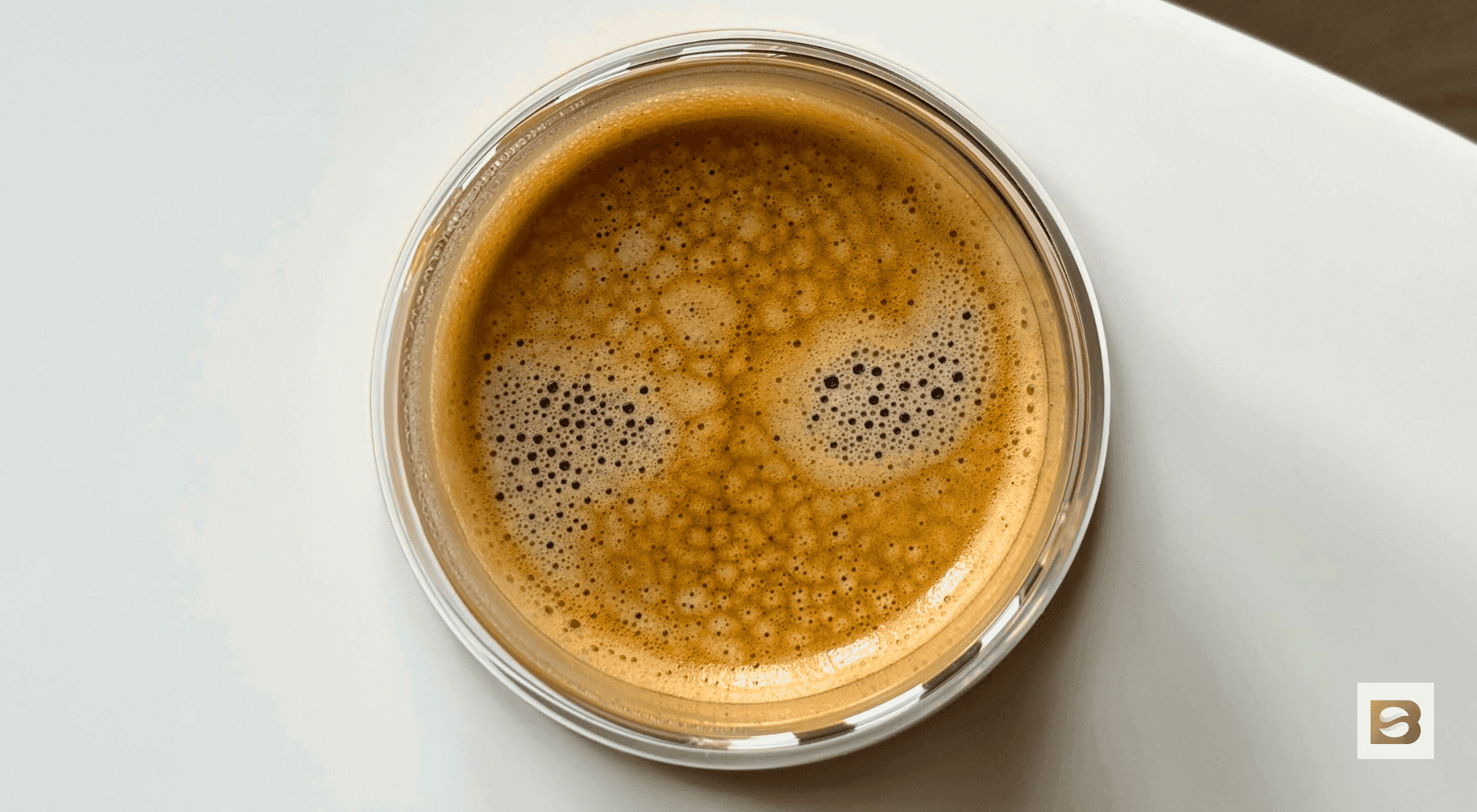
Crema is the golden foam sitting on top of a fresh espresso shot.
It forms when pressurized gases trapped inside the coffee beans are released during extraction.
Fresh beans usually create thicker crema because they contain more carbon dioxide.
But crema isn’t permanent.
Within a couple of minutes the crema starts to break apart and sink into the liquid. This is completely normal. Crema will dissipate in every espresso shot.
When it fades, the texture of the espresso changes slightly, and some of the aroma becomes less intense.
Temperature Drops Quickly
Espresso cools faster than most hot coffee.
A shot is small, usually about 30 milliliters, which means it loses heat quickly once it hits the cup.
As the espresso cools, different flavor notes start appearing. Some acidity becomes clearer, sweetness can emerge, and bitterness may soften slightly.
Ironically, the perfect espresso often appears when the shot cools just a little.
That’s something many new home baristas discover during their coffee journey.
How Long Before an Espresso Shot Dies?
This is the question most coffee lovers really want answered.
Instead of a dramatic 10-second rule, espresso changes gradually over time.
Here’s a more realistic look at what happens after you pull a shot.
| Time After Brewing | What Happens | Should You Still Drink It? |
|---|---|---|
| 0 to 30 seconds | Crema thick, espresso extremely hot | Yes, but flavors are hard to taste |
| 30 to 90 seconds | Espresso cools slightly, flavors open up | Often the ideal tasting window |
| 2 to 5 minutes | Crema fading, oxidation beginning | Still very drinkable |
| 5 to 10 minutes | Coffee cooling, flavors flatten slightly | Depends on preference |
| 10+ minutes | Espresso colder, oxidation noticeable | Usually tastes dull |
Notice something important here.
Is your espresso dying while you wait? A good espresso shot doesn’t suddenly collapse after 10 seconds. In most cases you have a couple of minutes before the flavor begins to noticeably fade.
Why Some Espresso Tastes “Dead” Faster Than Others
Not every shot behaves the same way.
Some espresso seems to lose its flavor quickly. Other shots stay lively for much longer.
This usually comes down to how the espresso was brewed.
Fresh coffee beans: Fresh beans produce thicker crema and richer aromatics. Older beans lose trapped gases, which means the espresso can taste flat more quickly.
Extraction quality: A poorly extracted shot can taste bad from the start. In those cases the espresso didn’t die, it simply wasn’t a great shot.
Roast level: Darker espresso blends sometimes taste harsher as they cool. Lighter roasts often reveal more complexity as the temperature drops.
Grind and brew ratio: If the grind is wrong or the brew ratio is off, the espresso may taste thin or bitter. That can give the impression of a dead espresso shot even though the issue started during brewing.
When everything lines up correctly, a great shot holds its character far longer than most people expect.
Volcanica Coffee Lover Gift Box
The perfect gift box for the average avid coffee drinker, this gift box includes the best-selling products all in one package. Explore the taste of favorite coffees from around the world from the comfort of home.
Is Your Espresso Dying While You Wait to Make a Latte?
This is a common worry for home baristas.
You pull the shot. Then you steam milk. By the time the latte is ready, you start wondering if the espresso is already dying.
Relax.
A short wait won’t ruin the drink.
If your espresso sits for 20 or 30 seconds while you steam milk, the shot will still taste perfectly good. In many cafés this is exactly how drinks are made.
Baristas often pull the shot first and steam milk immediately after.
The espresso doesn’t suddenly become a dead shot during that brief moment. It simply cools slightly.
The same applies if you’re making a mocha or pulling three shots for a larger drink. A small pause between brewing and serving is completely normal.
When a Shot of Espresso Actually Tastes “Dead”
So when does espresso really taste dead?
Usually, it happens when several factors combine.
The espresso cools too much: Cold espresso can taste dull and heavy.
Oxidation alters the flavor: After sitting long enough, the oils in coffee can develop a stale or slightly rancid taste.
Crema disappears completely: Without crema, the mouthfeel changes, and the aroma becomes weaker.
When these things happen together, the espresso may taste flat or lifeless.
That’s when most coffee lovers say the shot has died. But even then, the espresso hasn’t magically gone bad. It has simply changed over time.
How to Keep Espresso Shots From Dying Too Quickly
If you want better espresso at home, a few small habits help a lot.
- Use fresh coffee beans: Fresh beans produce stronger crema and brighter flavor.
- Preheat your cups: A warm cup slows heat loss and keeps espresso hotter longer.
- Pull espresso right before serving: This keeps the flavors lively.
- Give the shot a quick stir: Mixing the crema with the liquid creates a more balanced taste.
- Drink your espresso while it’s warm: Great espresso is meant to be enjoyed soon after brewing.
Follow these simple habits and your espresso will stay delicious far longer than the mythical 10-second rule suggests.



Final Thoughts
The idea of a dead espresso shot has been repeated for years, but it’s mostly a misunderstanding.
Espresso doesn’t die after 10 seconds.
What actually happens is that the espresso slowly changes. The crema dissipates, the temperature drops, and oxidation gradually alters the flavor.
A well-made espresso can still taste great for several minutes after brewing.
So the next time you pull a shot, don’t panic about a countdown timer. Let the espresso settle for a moment.
Take a sip.
That’s often when the best flavors appear.