All products are independently selected by our editors. If you buy something, we may earn an affiliate commission. Learn More >
If you’ve ever taken a sip of Starbucks coffee and thought, “This tastes kind of burnt,” you’re not alone. It’s one of the most common complaints among coffee drinkers, especially those who prefer lighter, more nuanced brews.
So what’s really going on?
Is Starbucks literally burning their beans, or is there something else behind that strong, smoky flavor that so many people either love or hate?
In this guide, I’ll break down what causes the “burnt” taste in Starbucks coffee, how their roast philosophy plays a role, and why the flavor of the coffee is designed to taste exactly the way it does.
Why People Say Starbucks Coffee Tastes Burnt
Starbucks has a reputation for coffee that tastes bitter, smoky, or even ashy. Some coffee drinkers describe it as having a burnt flavor of the coffee rather than a rich, balanced one.
When you roast coffee beans very dark, you push them past the point where origin flavors stand out. Instead of bright fruit or caramel notes, you get dominant flavors of roast – think smoky, toasty, and slightly charred.
Starbucks has built its brand around this kind of bold, heavy-bodied coffee.
Many former baristas and long-time customers have said the same thing online. One comment on r/starbucks summed it up perfectly:
“They roast their beans darker than anyone else, and that’s why people say they ‘burn’ their coffee. It’s not ruined—it’s just their flavor.”
Another user on r/NoStupidQuestions added:
“Starbucks wants a strong, consistent taste that stands out, even if that means roasting past the sweet spot. It’s all about making sure every cup tastes the same everywhere.”
So while Starbucks isn’t literally burning the beans, the company’s signature roast style and brewing approach with their machines do push the flavor profile into darker, more bitter territory.
For some people, that’s too much. For others, it’s exactly what makes Starbucks taste like Starbucks.
Is Starbucks Coffee Burnt on Purpose?
Technically, no – Starbucks doesn’t “burn” its coffee by accident. The beans aren’t scorched or ruined; they’re roasted that dark on purpose.
This is a deliberate flavor choice.
Starbucks aims for a rich, full-bodied profile with low acidity and a slightly bitter edge. That’s the flavor millions of people expect when they take their first sip.
To most specialty coffee fans, that same roast tastes smoky or even charred. But to Starbucks, it’s the flavor of consistency. It’s coffee that cuts through milk, sugar, and syrups while delivering a dependable experience every single time.
In other words, Starbucks coffee tastes burnt to some people because it’s meant to taste that way. It’s not a flaw – it’s a signature.

How Starbucks’ Roast Level Shapes Its Coffee Flavor
Roast level is the biggest factor in why Starbucks coffee often tastes burnt to some people.
When coffee beans are roasted past the “second crack,” they lose much of their origin character – those fruity, floral, or nutty notes you might find in lighter roasts – and take on a heavier, smokier, more carbonized taste.
This darker style, sometimes called “Full City+” or “Italian roast,” is the baseline for most Starbucks coffee.
Starbucks roasts this way for two main reasons:
- Consistency across thousands of stores: By pushing beans darker, it’s easier to mask variations in quality and origin. A Kenya AA and a Colombian Supremo may taste different at medium roast, but when both are roasted dark, those differences mostly disappear.
- A flavor that holds up to milk and sugar: Many Starbucks drinks aren’t served black. The dark roast ensures the coffee flavor still stands out when you add cream, milk, or flavored syrup.
In other words, the “burnt” flavor is intentional. It’s part of the Starbucks formula.
Over-Roasting vs. Burning the Beans
It’s easy to confuse “dark roast” with “burnt,” but they’re not the same thing. The difference comes down to intention and control.
Over-roasting happens when beans are pushed beyond the point where their natural flavors – acidity, sweetness, and unique origin notes – can shine.
The result is a coffee that tastes heavier, more bitter, and dominated by roast flavor rather than the bean’s character. Some coffee drinkers like this bolder style because it’s low in acidity and has that unmistakable punch.
Burning, on the other hand, means the beans were literally scorched. This can happen when the roasting drum gets too hot, the roast runs too long, or the beans aren’t moving evenly inside the roaster.
Burned beans have a flat, ashy taste, and the aroma leans more toward smoke and charcoal than chocolate or spice.
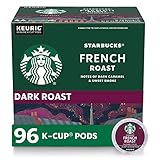

In Starbucks’ case, they’re not burning beans by mistake – they’re roasting them dark on purpose. The goal is consistency, not experimentation.
Their beans go well into the second crack, where carbonized compounds form on the surface and give off that smoky, slightly ashy aroma that many people describe as “burnt.”
If you’ve ever tasted an overdone marshmallow, the dark crust on toast, or high-cocoa dark chocolate, you’ve experienced the same chemistry at work.
The sugars and plant fibers in coffee undergo a similar reaction, producing those roasted, bittersweet flavors that define Starbucks’ signature taste.
Why Starbucks Roasts Its Coffee So Dark
You might wonder why a global coffee brand with nearly unmatched resources would stick to such a dark roast, knowing that many people describe it as bitter or burnt.
The answer comes down to a mix of consistency, customer preference, and practicality.
Consistency Across Every Store
Starbucks operates in more than 30,000 locations across the world, and every cup of brewed coffee needs to taste familiar. That’s part of what made the brand successful in the first place.
Lighter roasts highlight subtle differences between beans, which means the flavor can vary by batch or origin.
A darker roast, on the other hand, smooths out those variations and delivers a consistent, recognizable taste – whether you’re in Seattle, Singapore, or Madrid.
That uniformity comes at a cost, though. The darker you roast coffee, the more you burn away the distinctive characteristics that make each bean unique.
The result is a reliable but sometimes overpowering roast flavor.
Shaping Customer Preferences
When Starbucks began expanding rapidly in the 1990s, most Americans were used to mild, low-grade diner coffee. Starbucks introduced a darker, bolder roast that felt exotic and “European.”
It became the brand’s signature taste – and for many, the definition of what good coffee should be.
That strong, smoky flavor stood out in a market filled with weak brews, and over time, customers came to associate it with quality.
Even today, people who grew up on Starbucks coffee often find lighter roasts from other cafés too sour or acidic. The brand didn’t just follow consumer tastes – it helped shape them.
Built for Customization
Starbucks also designs its coffee for versatility. Most customers don’t drink their coffee black; they add milk, cream, syrups, or sugar.
A dark roast flavor cuts through all that without disappearing under layers of sweetness or dairy.
Lighter roasts tend to taste thin or even sour when mixed with milk.
A darker roast ensures that strong, bitter edge still carries through a caramel latte or mocha frappuccino.
Practicality at Scale
On a production level, dark roasts are more forgiving. They can handle slight variations in green bean quality or roast timing without producing unpleasant flavors.
For a company roasting millions of pounds of coffee every year, that’s a huge advantage.
It also simplifies training. Baristas don’t need to fine-tune brewing parameters for each roast level – the darker beans already deliver that bold, unmistakable “Starbucks taste.”
So while critics might call it burnt, Starbucks would call it reliable.
The Science Behind the Burnt Taste
Let’s break down the chemistry behind why dark-roasted coffee develops those “burnt” or “bitter” notes.
- Maillard Reaction: The same browning process that gives seared steak or toasted bread their complex flavors. The longer coffee roasts, the more of these compounds develop.
- Caramelization: Sugars inside the coffee bean start to caramelize, adding sweetness—but push too far and they carbonize, producing a smoky or burnt aroma.
- Loss of Volatile Aromatics: At higher roast levels, delicate floral and fruity compounds evaporate, leaving behind heavier, roasted flavors.
- Oil Migration: Dark roasts often show shiny oil on the surface. These oils can oxidize quickly, especially in bulk storage, adding a stale or ashy taste.
In moderation, these effects give dark roast coffee its bold character. Taken too far, they cross into the “burnt” territory people associate with Starbucks.

Comparing Starbucks to Other Coffee Shops
Many independent coffee shops roast lighter because they want the bean’s origin to shine through – fruity Ethiopian coffees, nutty Colombian profiles, or floral Panama Geishas.
Starbucks, on the other hand, roasts to achieve uniformity and boldness rather than variety.
That’s why when you drink a pour-over at a local café, it might taste bright, sweet, or tea-like, while Starbucks coffee tends to taste heavier and smokier.
Neither is inherently right or wrong. It’s just a difference in philosophy.
Roast Levels at Starbucks Overview
Below, I’ve made a quick overview of each roast level that Starbucks offers.
Each step darker generally means lower acidity, heavier body, and more roast character. If “burnt” isn’t your thing, start with blonde roast:
| Roast level | Taste | Acidity | Body | Best for |
|---|---|---|---|---|
| Blonde (light-medium) | Honey, cereal, gentle citrus; less roast | Higher | Lighter | Black coffee, flat white |
| Medium (e.g., Pike Place) | Cocoa, nutty, balanced roast | Medium | Medium | Daily drip, lattes |
| Dark | Smoky, bittersweet, char, roasty finish | Lower | Heavier | Mochas, flavored drinks, with milk |
What to Order If You Don’t Like the Burnt Taste
If you find Starbucks coffee too bitter or smoky, you still have options. You can adjust your order to get a smoother, less burnt flavor:
- Choose Blonde Roast: Ask for a Blonde espresso in your latte or Americano. It’s lighter and sweeter.
- Go for Cold Brew: The slow steeping process smooths out harsh flavors and brings out chocolatey notes.
- Try a Pour-Over: You’ll get a fresher, cleaner taste than drip coffee that’s been sitting.
- Add Milk or Cream: It’ll balance bitterness and soften the flavor.
- Experiment at Home: Brew your own medium or light roast to see what you’re missing – control the water temp and grind for a cleaner cup.
Final Thoughts
Starbucks coffee doesn’t taste burnt because they made a mistake – it tastes that way because that’s exactly how they want it to taste.
Their signature roast style is built for consistency, strength, and versatility. It’s coffee engineered for milk, sugar, and speed, not necessarily for delicate flavor.
If you prefer lighter, more balanced coffee, Starbucks’ Blonde Roast or your local specialty shop might be a better fit. But if you like your coffee bold, bitter, and unmistakably strong, Starbucks delivers exactly that.
Coffee taste is personal. Some people crave the brightness of a light Ethiopian roast; others love the smoky punch of a Starbucks dark blend. So next time someone says “Starbucks coffee tastes burnt,” you’ll know – it’s not an accident, it’s a choice.