All products are independently selected by our editors. If you buy something, we may earn an affiliate commission. Learn More >
I found a bag of beans behind the flour last month, no date I could make out, half the label torn off, and that telltale dusty look that makes you wonder if it’s even worth the water.
Old coffee beans won’t make you sick, unless moisture got in and you’re looking at mold. What they will do is rob you of everything that makes coffee worth drinking, leaving you with a flat, bitter cup instead of something worth waking up for.
After twenty years behind espresso machines and roasters, I can tell in one sniff whether a bag is worth brewing.
Here’s exactly how I check.
How to Tell If Coffee Beans Are Old: The 3 Sensory Tests
You don’t need lab equipment to figure this out. Your nose, eyes, and hands will tell you almost everything in under a minute.
The Smell Test
Fresh beans smell alive. Crack open a bag that’s been roasted recently and you’ll get hit with something specific, whether that’s berries, chocolate, toasted nuts, or whatever the roast profile is going for.
Old beans smell like nothing in particular. You’ll get a faint, musty note, sometimes woody, sometimes eerily close to a cardboard box that’s been sitting in a damp garage.
If you have to lean in and really work to find a smell, that’s your answer. The beans have lost the volatile aromatic compounds that give coffee its character, and no amount of brewing skill brings those back.
The Look and Touch Test
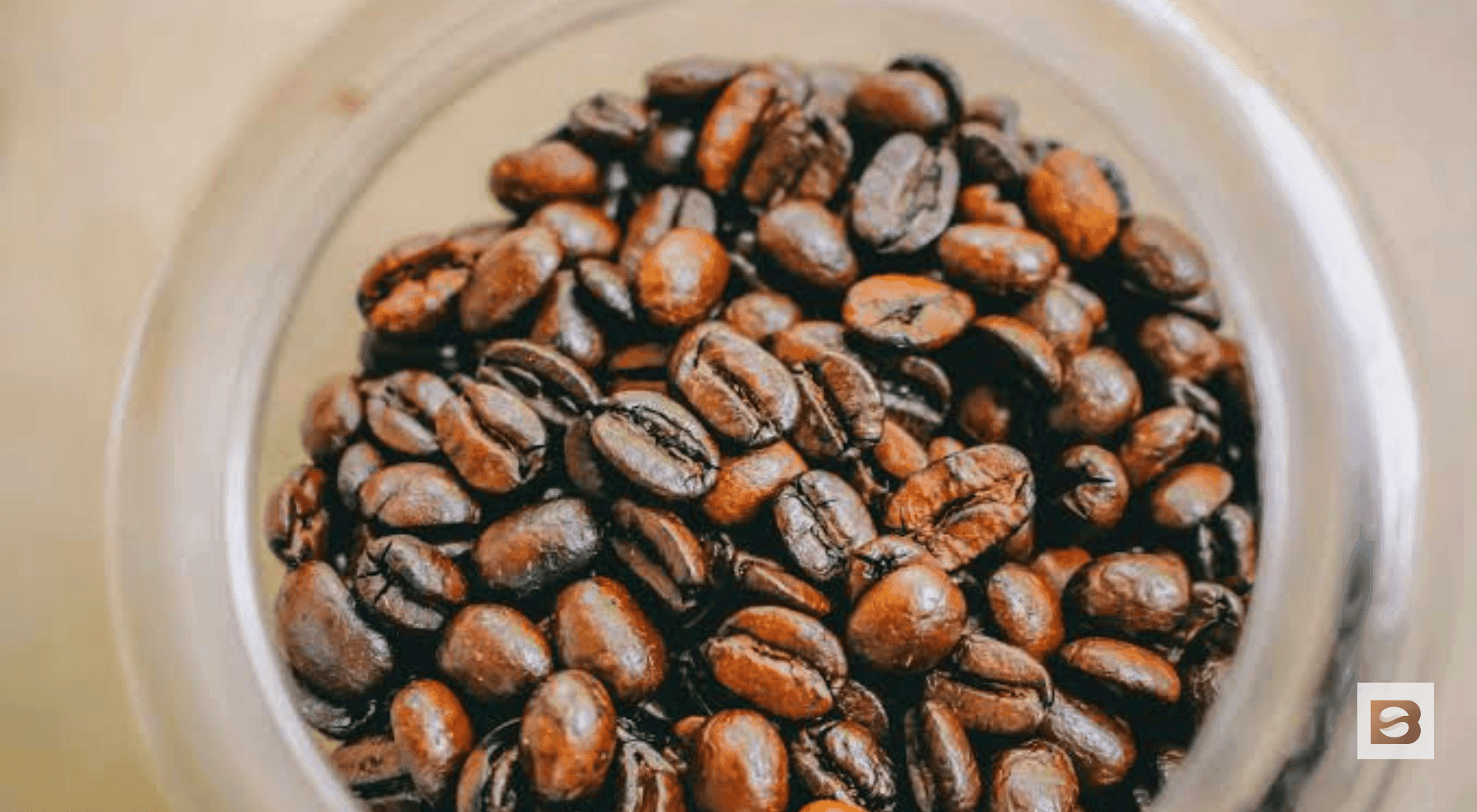
This one depends a bit on roast level, so it helps to know what you’re looking at. Darker roasts naturally carry oils to the surface, and fresh dark roast beans look glossy, almost polished.
The trouble starts when those oils oxidize. You’ll see one of two extremes. Either the beans turn dry and dusty looking, like the life has been sucked out of them, or they go the other way and feel greasy and sweaty to the touch.
Both are signs the oils have broken down into rancid territory, and rancid oils are a big part of why old coffee tastes papery and flat.
The Ziploc Bag Trick
This is the test I give people who want proof, not just my word for it. Grab a handful of beans, drop them into a sealable bag, press out as much air as you can, and seal it shut. Leave it overnight.
Check it in the morning. If the bag has puffed up like a little pillow, your beans are still degassing and releasing carbon dioxide, which means they’re reasonably fresh.
If the bag looks exactly the same as when you sealed it, the beans have already released most of their CO2 and they’re done. No amount of clever brewing is going to bring that bag back to life.
The Brewing Test: What the Bloom Tells You
If you want the most reliable read on freshness, skip the countertop tests and just brew a cup. The bloom will tell you everything.
When you pour hot water over freshly ground, fresh roasted coffee, the grounds should swell up, bubble, and expand almost like they’re breathing.
That reaction comes from trapped CO2 escaping fast once it hits water, and it’s one of the most satisfying things to watch in a pour-over routine.
Old beans don’t do this. The water just sinks straight through with barely a ripple, because there’s no gas left to release.
If you’re pulling espresso instead, look at the crema.
A fresh shot builds a thick, reddish-brown layer on top. Tired beans give you a thin, pale film or nothing at all, and that’s about as clear a signal as you’ll get that the bag has seen better days.
The Coffee Freshness Timeline
Coffee doesn’t go bad overnight, but it doesn’t stay at its peak forever either, and knowing the general timeline is the easiest way to answer whether coffee beans expire and how long roasted coffee actually lasts.
The sweet spot sits between 7 and 21 days after the roast date. This is when the beans have finished off-gassing enough to brew cleanly, while still holding onto their full flavor complexity.
Push past day 30, and you’ll start noticing the subtler notes fading first, the little floral or fruity hints that made a coffee interesting.
By day 60, most coffees have flattened out into something generic and one-note, which is about as long as roasted coffee beans last before they stop being worth the effort.
Grind timing matters just as much as roast date. Whole beans protect their interior from oxygen, but the moment you grind them, you’ve multiplied the surface area exposed to air.
Ground coffee can noticeably stale within hours, which is exactly why I tell people to grind right before brewing instead of prepping it the night before.
| Trait | Fresh Coffee | Stale Coffee |
|---|---|---|
| Smell | Bold, specific aroma | Faint, musty, cardboard-like |
| Look | Glossy or matte depending on roast | Dry and dusty, or greasy and sweaty |
| Bloom | Bubbles and swells | Little to no reaction |
| Crema | Thick, reddish-brown | Thin or absent |
| Taste | Layered, distinct notes | Flat, bitter, one-dimensional |
How to Keep Your Coffee Beans Fresh
Once you know what stale coffee looks like, the next step is avoiding it altogether. A few habits make a real difference.
Start by shopping for a roast date, not a best by date. Best by dates are often set a year or more out and tell you almost nothing about how the coffee actually tastes right now. A roast date gives you the real countdown.
Check the bag for a one-way degassing valve, that small plastic circle usually on the back. It lets CO2 escape without letting oxygen sneak in, which keeps your beans fresher for longer after they’ve been sealed up.
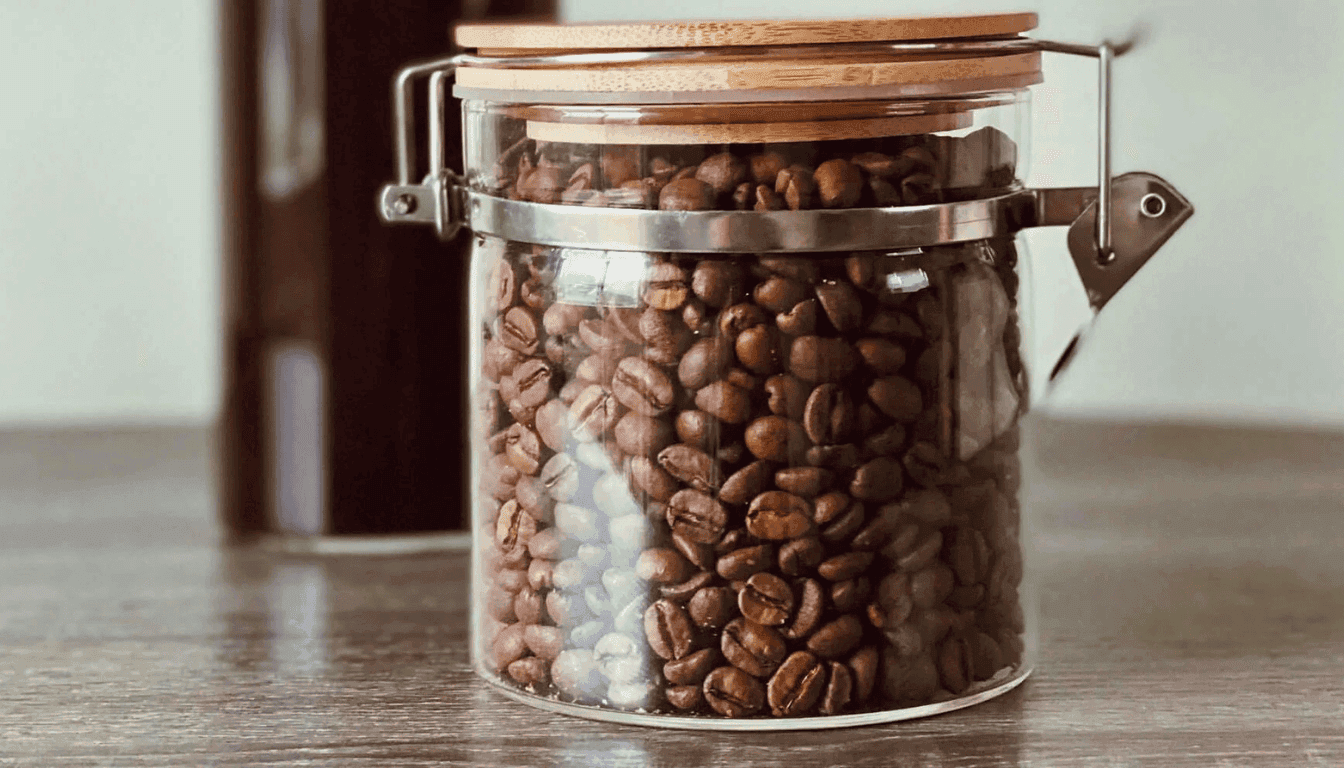
At home, store your beans in an airtight container, somewhere away from direct sunlight, heat, and moisture.
Skip the freezer unless you’re vacuum sealing for genuinely long-term storage, since regular freezer storage introduces moisture and temperature swings that do more harm than good.


Final Thoughts
Old coffee beans aren’t dangerous, but they are disappointing, and now you know exactly how to spot them before you waste a pour-over on a dead bag.
Run the smell test, watch the bloom, and keep an eye on that roast date next time you’re shopping. That’s the difference between a cup you tolerate and one you actually look forward to.