All products are independently selected by our editors. If you buy something, we may earn an affiliate commission. Learn More >
If you’re torn between a moka pot and an espresso machine, you’re not alone. Both promise a strong, concentrated coffee, but only one can brew what’s officially defined as true espresso.
So which coffee maker is right for your kitchen, your taste buds, and your budget?
Let’s break it down.
What Makes a Real Espresso?
Espresso isn’t just strong coffee. It’s defined by a very precise brewing method. A true espresso shot requires:
- Finely ground coffee, packed tightly into a portafilter
- Hot water between 195 and 205°F
- Around 9 bars of pressure
- A short extraction time of 20 to 30 seconds
The result is a 15 to 30 ml shot with a full body, rich flavor, and a golden layer of crema on top.
That careful balance of grind, temperature, and pressure is what sets espresso apart from moka pot coffee or drip brewing.
What Is a Moka Pot?

The moka pot, sometimes called a stovetop espresso maker, is a classic in Italian homes.
Designed by Alfonso Bialetti in the 1930s, it’s still widely used today. It’s made up of three parts: a bottom chamber for water, a filter basket for finely ground coffee, and a top chamber where the brewed coffee collects.
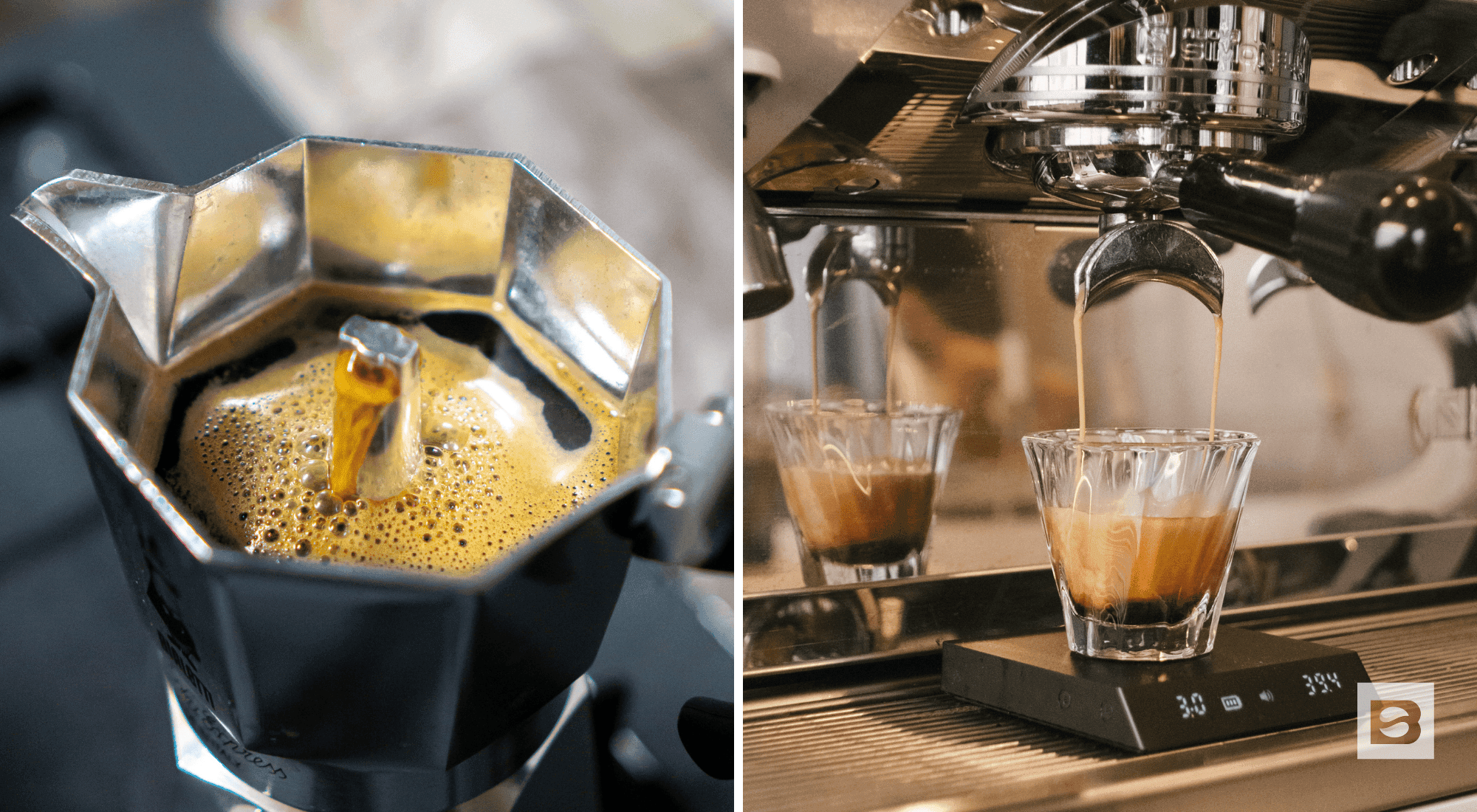
When placed on the stove, heat builds steam pressure in the lower chamber, forcing hot water through the coffee grounds.
The result is a strong, concentrated brew that many describe as “espresso-like,” even though it doesn’t meet the technical definition of espresso.


What Is an Espresso Machine?

Espresso machines are built for one purpose: to brew authentic espresso. Unlike moka pots, they use heating elements, pumps, and electronics to control water temperature and pressure.
There are two main styles:
- Semi-automatic machines, which give you control over grind size, tamping, and extraction.
- Fully automatic machines, which take care of pressure and timing at the push of a button.
Both are capable of producing true espresso, but the level of involvement (and cost) varies a lot.

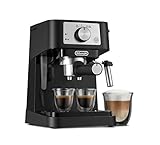

Taste and Crema: Moka Pot Coffee vs Espresso
This is where the differences are most obvious.
Coffee from a moka pot is bold, rich, and concentrated. It’s stronger than drip coffee, but it lacks the complexity and crema of espresso.
That’s because moka pots only generate about 1 to 1.5 bars of pressure, nowhere near the 9 bars an espresso machine delivers for a true shot of espresso.
Espresso, by contrast, is smooth, layered, and topped with crema.
The higher pressure extracts more oils and flavors from the coffee beans, giving you a fuller taste experience. For casual drinkers, moka pot coffee feels close enough.
But for coffee lovers chasing the full espresso experience, the machine is the clear winner.
Grind Size and Brewing Method Differences
Grind size is one of the biggest differences between these two brewing methods:
Moka pot grind: Slightly coarser than espresso, but finer than drip. Too fine and you risk clogging, too coarse and the coffee tastes weak.

Espresso grind: Very fine and almost powdery. This allows high pressure to extract flavor quickly and produce crema.

The brewing process also sets them apart. A moka pot relies on steam pressure to push water upward through the grounds, while an espresso machine uses a pump to force water through tightly packed coffee.
That difference in pressure explains why espresso is more full-bodied and crema-rich than moka pot coffee.
Ease of Use and Cleaning
For daily brewing, the moka pot wins on simplicity. You fill it with water and ground coffee, place it on the stove, and within minutes you have a strong cup. Cleaning is just a matter of rinsing and drying.
Espresso machines require more attention. You’ll need to grind and tamp properly, monitor extraction, and regularly clean the portafilter and descale the machine.
For beginners, a moka pot is easier to live with, while espresso machines appeal to those who enjoy the process as much as the coffee.
Brew Time and Caffeine Content
If you’re in a rush, the brew time might matter just as much as flavor.
A moka pot usually takes around five to ten minutes from start to finish, depending on your stove and how much water you’ve added. It’s not instant, but it’s a simple set-it-and-wait process.
Espresso machines are faster once they’re warmed up. A shot pulls in about 20 to 30 seconds, but you need to factor in warm-up time for the boiler or pump, which can add a few minutes if you’re starting from cold.
Caffeine is another interesting difference. A single espresso shot is smaller, usually 30 ml, but packs plenty of punch thanks to its concentrated extraction.
A moka pot, on the other hand, brews a larger serving, often around 100 ml, which can end up containing even more caffeine overall.
So while espresso might feel stronger in flavor, a moka pot can actually deliver the bigger buzz.
Serving Size and Recipe Flexibility
The moka pot and espresso machine also differ in how much coffee they produce and what drinks they’re best for.
A moka pot brews a few ounces of strong, concentrated coffee that’s perfect for sipping black or stretching with a bit of hot water for something closer to an Americano.
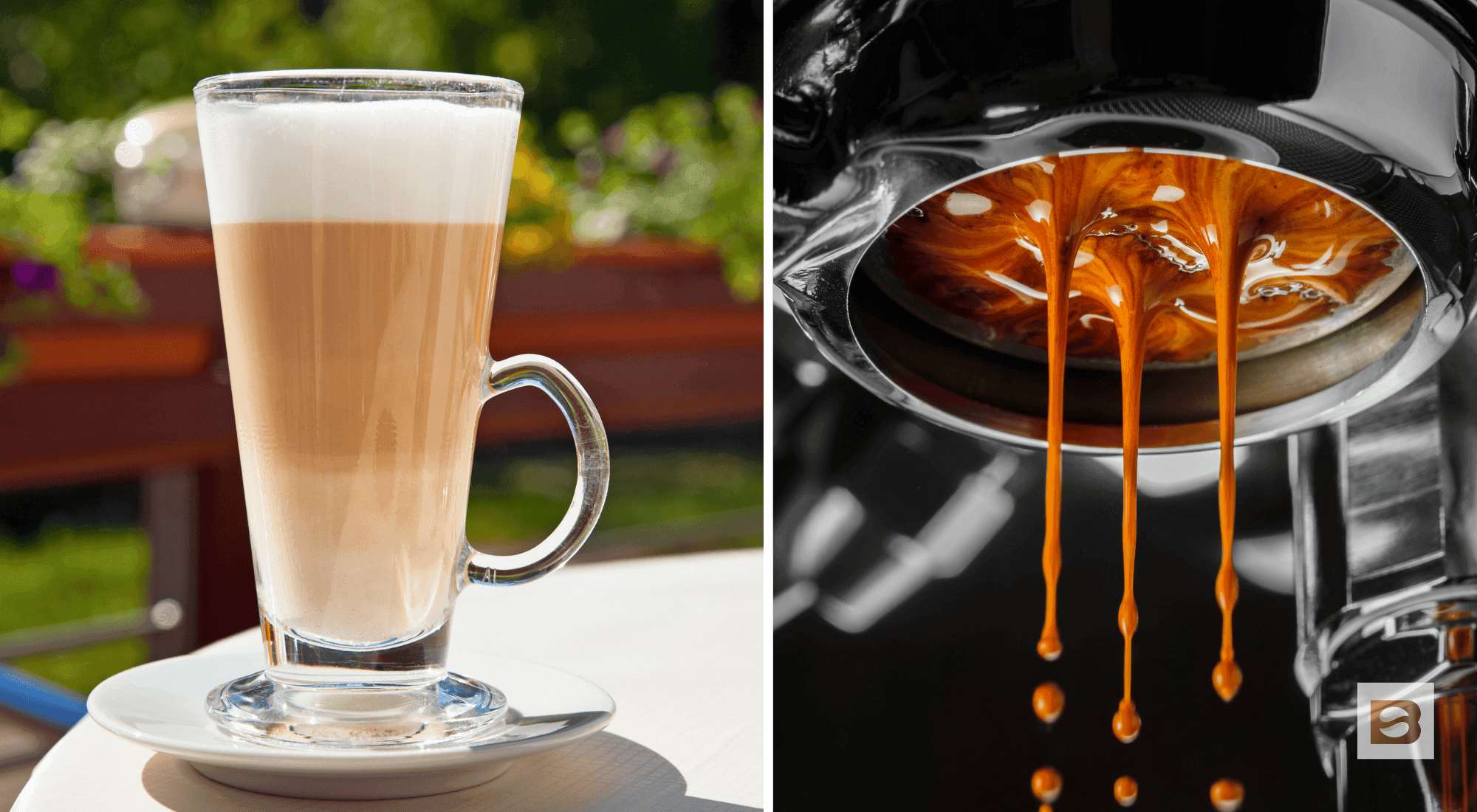
Espresso machines shine when it comes to variety. That small 30 ml shot isn’t much on its own, but it’s the base for endless espresso drinks.
Whether you love lattes, cappuccinos, flat whites, or macchiatos, the machine gives you the flexibility to recreate café favorites at home.
So if your goal is a straightforward cup of strong coffee, the moka pot has you covered. If you want to experiment with milk drinks and recipes, the espresso machine is the more versatile tool.
Maintenance and Durability
When it comes to upkeep, moka pots are about as low-maintenance as it gets. Clean it after each brew, replace the rubber gasket and filter every so often, and check the safety valve now and then.
That’s it.
With basic care, a moka pot can last for decades, which is why so many people inherit them from parents and grandparents.
Espresso machines, on the other hand, need more love. You’ll have to clean the portafilter daily, backflush the group head, and descale the boiler on a regular schedule.
Parts like seals and baskets wear out too, which adds to the cost over time.

If durability and simplicity matter most, the moka pot is the clear winner. Espresso machines can last years as well, but only if you’re diligent about maintenance.
Italian Coffee Culture and Tradition
The moka pot isn’t just a brewing device – it’s a symbol of Italian home life. Since its invention in the 1930s, it has been the go-to coffee maker in countless kitchens across Italy.
Generations have grown up with its familiar gurgle on the stovetop and the strong, comforting aroma that follows.
Espresso machines, by contrast, became the standard in cafés and bars, where speed, consistency, and presentation matter most.
Walk into any Italian coffee bar and you’ll see a gleaming espresso machine taking center stage, churning out shot after shot.
So when you brew with a moka pot at home, you’re tapping into a piece of Italian tradition. When you fire up an espresso machine, you’re bringing the café experience into your kitchen.
Both carry cultural weight, just in different ways.
Price: Moka Pot vs Espresso Machine
When it comes to cost, the moka pot is in a league of its own.
- A Bialetti moka pot costs around $30 to $40 and will last for years.
- A quality espresso machine starts at $300 and can climb well past $1,000.
If you’re just starting out or don’t want to spend much, the moka pot is the budget-friendly option. But if you’re serious about espresso at home, the machine is worth the investment.
Which One Is Better for Coffee Lovers?
It all comes down to what you want from your coffee experience. If you’re after true espresso with crema, lattes, and cappuccinos that rival your local café, an espresso machine is the better choice.
If you’d rather keep things simple and affordable while still enjoying strong, concentrated coffee, the moka pot is a fantastic alternative.
Both have their place, but one will fit your lifestyle better than the other.
Moka Pot vs Espresso Machine at a Glance
| Feature | Moka Pot Coffee | Espresso Machine |
|---|---|---|
| Pressure | 1–1.5 bars | 9 bars (true espresso) |
| Crema | Rare, very thin | Thick, rich layer |
| Flavor | Strong, bold, earthy | Complex, smooth, balanced |
| Serving Size | ~100 ml | ~30 ml shot |
| Brew Time | 5–10 minutes | 20–30 seconds (plus warm-up) |
| Ease of Use | Simple, beginner-friendly | Steeper learning curve |
| Cleaning | Quick rinse, minimal | Regular cleaning & descaling |
| Price Range | $30–$40 | $300–$1000+ |
| Best For | Strong everyday coffee | Authentic espresso & milk drinks |


Wrapping Up
Both the moka pot and the espresso machine are icons in their own right. The moka pot is affordable, durable, and makes a robust stovetop brew that’s perfect for everyday use.
The espresso machine is an investment, but it rewards you with the authentic espresso experience that coffee aficionados crave.
If you want the full flavor and crema of a true espresso shot, go for the modern espresso machines available today.
If you’re happy with bold, rich coffee that captures the spirit of Italian brewing without the price tag, using a moka pot will serve you well.