All products are independently selected by our editors. If you buy something, we may earn an affiliate commission. Learn More >
Ask anyone why Starbucks is so expensive and you’ll get a vague answer about brand value and premium beans. That’s not wrong, but it barely scratches the surface.
I’ve spent more than twenty years in hospitality, managing bars, running restaurant operations, and serving coffee at some serious volume.
I know what goes into the cost of a cup at the professional level, and the Starbucks pricing story is a lot more interesting than most people realize.
Let me break it down properly.
The Price on the Cup Isn’t Just About Coffee
Here’s a number that tends to stop people in their tracks. The raw ingredients in a standard cappuccino, the coffee, milk, and a little syrup, cost somewhere in the region of thirty to forty cents. Yet you’re handing over five or six dollars.
So where does the rest go?
That gap is the real story behind Starbucks pricing. You’re not just paying for what’s in the cup. You’re paying for every single thing that had to happen before that barista called your name.
You’re Paying for Real Estate, Not Just the Roast
Starbucks doesn’t open stores in quiet side streets. They plant their flag on high-traffic corners, inside airports, inside office lobbies, and next to train stations. Those locations cost a fortune to lease.
Starbucks pays roughly $60 per square foot annually on average across its portfolio, with premium urban locations running far higher.
A single store in Manhattan can carry rent costs pushing well over a million dollars a year. And because Starbucks signs long-term corporate leases, often ten years with renewal options, those store expenses are locked in regardless of how busy a particular week happens to be.
That cost has to go somewhere. It goes into your venti.
The other side of real estate is consistency. Running nearly 40,000 stores worldwide and delivering the same caramel macchiato in Sydney as in Chicago is not a simple operation.
Standardized equipment, supply chains, training, and quality control at that scale carry enormous overhead. But that consistency is exactly what a lot of people are paying for.
You know what you’re getting, wherever you are. That certainty has value.


Labor Costs More Than Most People Realize
Starbucks employs a lot of people, and it invests in them more than a typical coffee chain. Baristas receive benefits, stock options in some markets, and tuition assistance.
The company has made significant wage investments in recent years, which is the right thing to do, but it absolutely flows through to menu pricing.
Making a flat white or a frappuccino isn’t like pouring a filter coffee. Every handcrafted drink takes skill and time.
When you multiply the labor costs of trained baristas across tens of thousands of stores running multiple shifts a day, the number becomes genuinely staggering. L
abor is consistently one of the largest operating costs in any hospitality business. At Starbucks, it’s no different.
The Customization Tax
Most people focus on the base price of a Starbucks drink and miss the bigger picture entirely. The real bill is built in the add-ons.
A plain drip coffee at Starbucks is, relatively speaking, not that outrageous. It’s a black coffee from a large chain with premium real estate and trained staff. Fine.
But the minute you start building a drink, the cost climbs fast.
Oat milk instead of regular dairy costs more to source. Cold foam is a separate preparation step that takes extra time and equipment. Each pump of syrup, each drizzle of caramel, each extra shot of espresso adds real ingredient cost and real labor time.
A fully customized grande or venti drink with oat milk, sweet cream cold foam, vanilla syrup, and a caramel drizzle is not the same product as a cup of coffee. It’s closer to a dessert with caffeine. And it’s priced accordingly.
This is where a lot of people’s daily Starbucks spend inflates without them fully noticing. The base drink is one price. The build is another.
Understanding that separation makes the bill make a lot more sense.
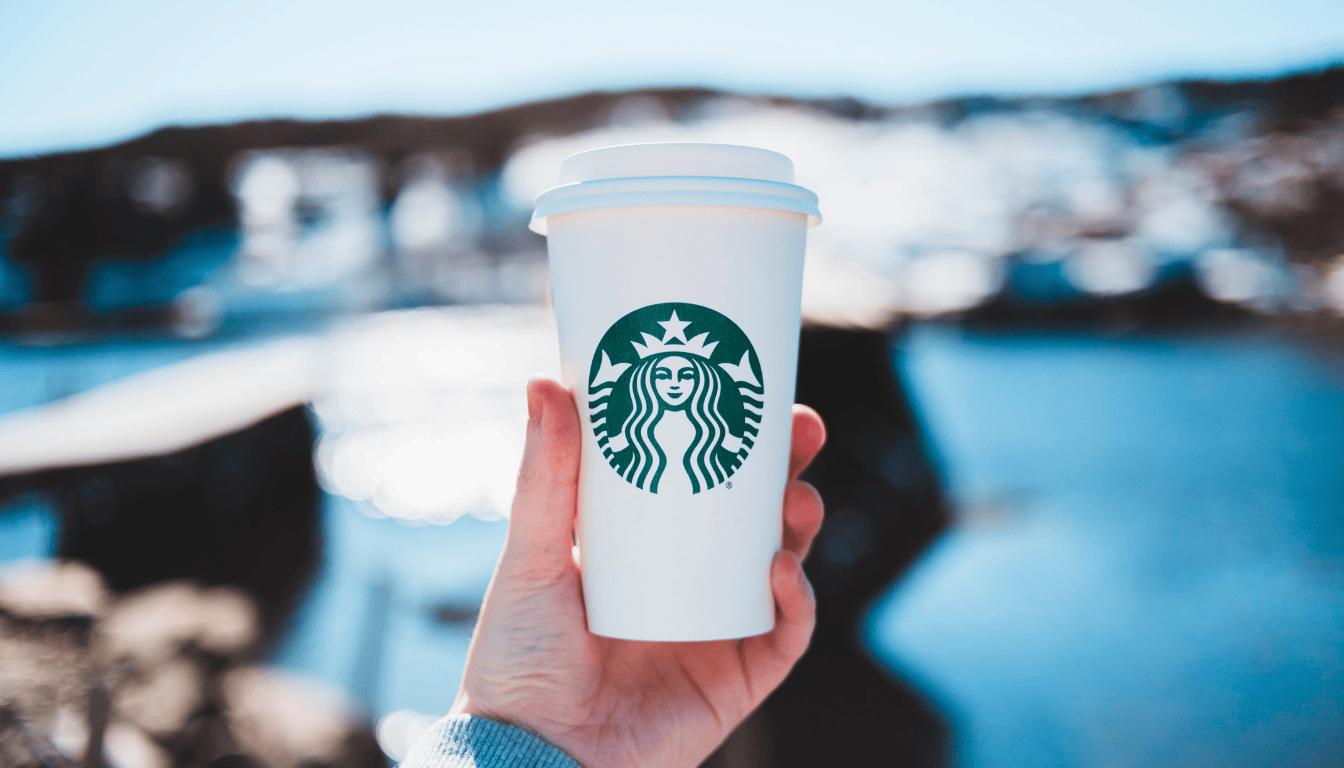
The Brand Premium Is Real, and You’re Choosing to Pay It
Howard Schultz, who built Starbucks into what it is today, had a clear vision from the beginning. He wanted Starbucks to be the “third place,” somewhere between home and work where people felt comfortable spending time.
Cozy seating, consistent ambiance, familiar music, free wifi. That experience costs money to create and maintain.
And then there’s brand loyalty itself.
Starbucks Rewards is one of the most sophisticated loyalty programs in the food and beverage world. Free drink rewards, early access to seasonal menus like the pumpkin spice latte, and personalized promotions keep millions of customers coming back.
Building and running that kind of ecosystem is expensive.
Is Starbucks overpriced? That depends entirely on what you’re buying. If you want a great cup of coffee at a fair price, there are better options.
But if you want a specific experience, a reliable product, a comfortable place to sit, and the ritual of your name on a cup, Starbucks delivers that consistently.
People pay for that voluntarily, which is a pretty clear signal about perceived value.
Why Is Starbucks So Expensive Now, Specifically?
This is worth addressing directly because the pricing conversation has shifted sharply in the last couple of years, and if you’ve noticed your order costing more than it used to, you’re not imagining it.
Inflation hit the coffee industry hard.
Arabica beans, which Starbucks uses almost exclusively, saw commodity prices spike sharply. Supply chain disruptions, energy costs, and rising wages pushed operating costs higher across the board.
Starbucks passed a significant portion of those increases onto customers. Menu prices have risen around 39% since 2014, with a grande brewed coffee up roughly 49% since 2020 alone.
The problem is that customers noticed, and they pushed back.
In 2024, Starbucks reported a meaningful decline in global comparable sales, losing some of its most loyal customers in the process. The brand that had spent years positioning as an affordable everyday splurge started feeling less affordable.
New CEO Brian Niccol, who took over in late 2024, has acknowledged the issue directly. His turnaround plan includes a price freeze through fiscal year 2025, the removal of extra charges for alternative milks like oat milk, and a simplification of the menu.
Whether that’s enough to rebuild trust with price-sensitive customers remains to be seen, particularly with ongoing tariff pressures on imported coffee beans threatening to complicate that pledge.
A Practical Comparison: Is Starbucks Worth It?
Here’s an honest breakdown from someone who has worked on both sides of the coffee counter.
Making a decent latte at home, with a reasonable espresso machine and quality beans, costs roughly 50 cents to a dollar per drink once you factor in equipment over time.
A local coffee shop will typically charge you $3.50 to $4.50 for something comparable, often with better quality beans and a more skilled barista. Dunkin’ sits below Starbucks on pricing, trading some of the experience and customization range for speed and value.
Starbucks sits at the top of that range, typically $5 to $7 for a standard drink, more for a heavily customized order. You’re paying a premium for location, consistency, brand experience, and the depth of the menu.
Coffee at home will always win on pure cost. The question is what else you’re buying when you go to Starbucks, and whether that’s worth it to you on any given day.
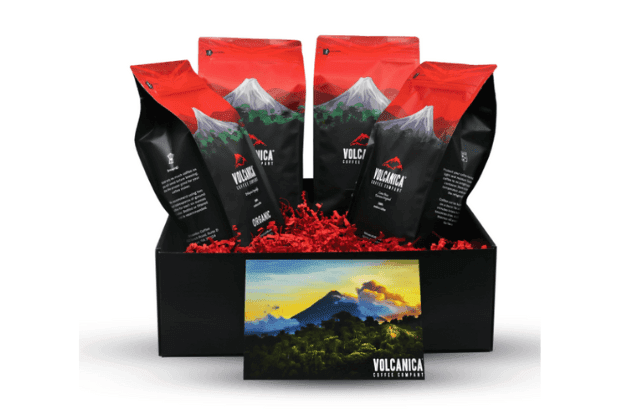
Volcanica Coffee Lover Gift Box
The perfect gift box for the average avid coffee drinker, this gift box includes the best-selling products all in one package. Explore the taste of favorite coffees from around the world from the comfort of home.
Final Thoughts
Starbucks is expensive because running Starbucks is expensive.
Prime real estate, skilled labor, premium arabica beans, sophisticated supply chains, a world-class loyalty program, and the infrastructure to deliver a consistent experience across tens of thousands of locations.
All of that sits inside your cup.
Is some of that cost brand markup? Yes, honestly. The Starbucks logo on a coffee cup does carry a premium that has nothing to do with ingredients. But that’s true of most brands people choose to buy from, and millions of people make that choice every single day.
What’s changed recently is that the premium has started to feel excessive even to loyal customers. The brand is clearly aware of that. Whether the current pricing strategy finds the right balance is a story still playing out.
If the cost of your daily Starbucks is making you wince, brewing a quality espresso at home is genuinely worth exploring.
But if you go to Starbucks knowing exactly what you’re paying for, that’s a perfectly reasonable decision too.