All products are independently selected by our editors. If you buy something, we may earn an affiliate commission. Learn More >
Ever wondered what sets espresso apart from Nespresso? I’m here to spill the beans! What I can tell you is Espresso is all about rich, intense flavor, achieved by forcing hot water through finely ground beans. Contrast that with Nespresso’s convenient, pod-based approach.
But there are some key differences you need to know that set these coffee machines apart.
Join me in this comparison of these two brewing giants, where I’ll dissect flavors, dive into the mechanics of each system, and address the big question – is Nespresso authentic espresso?
This article is perfect for coffee enthusiasts and rookie baristas alike, so are you ready to brew up some knowledge?
Let’s dive in!
✔ Quick Answer
Espresso Overview
I consider espresso to be the purest form of coffee. I honestly enjoy nothing better than spending a Sunday afternoon tweaking various brewing variables on my espresso maker.
So, I like to think of myself as an expert when it comes to extracting the best espresso coffee.
Let’s take a closer look at what defines real espresso.
What is Espresso?
Essentially, espresso is a strong and concentrated coffee, famed for its bold flavor and creamy top layer, known as crema. It’s produced by forcing hot water through finely ground coffee beans using high pressure.
This process extracts rich flavors and aromas, resulting in a small, intense shot of coffee.
Originating in Italy, espresso is not just a drink but a brewing method and the foundation of popular coffee drinks like cappuccinos and lattes. It’s celebrated for its quick brewing time and the unique depth of flavor it provides, making it a favorite among coffee lovers worldwide.
Now that we know what espresso is, let’s examine the machines used to brew it.
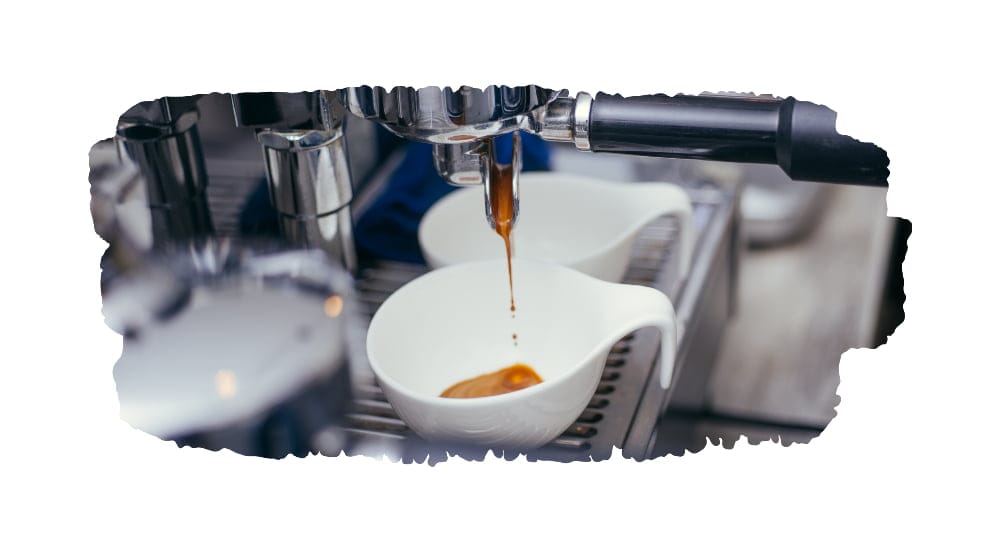
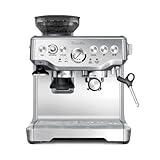
Espresso Machines
There are many types of espresso machines, each with their own pros and cons.
For example:
Manual espresso machines give the barista maximum control over the brewing process. However, they require a fair bit of skill, extraction knowledge, and effort to operate properly.
Semi-automatic machines automate some steps like tamping and water pressure while allowing the barista to control shot length. They offer a balance of automation and customization. Perfect for budding home baristas looking at getting their first espresso machine.
Super-automatic machines handle every step of espresso preparation with the push of a button. They are convenient but offer the least flexibility.
The key feature of espresso machines is that they require good quality coffee beans that are ground just before you brew.
Pre-ground coffee won’t cut it!


Cost Per Serving
Another factor that needs to be considered is cost analysis: how much is each shot of espresso going to cost you?
Taking the Specialty Coffee Association Of America espresso standards as a guide, we can break down the cost per serving as follows.
| Espresso Shot Type | Ground Coffee per Shot | Shots per Pound | Cost per Pound | Cost per Shot |
| Single Shot | 11 grams | 41 | $8.20 | $0.20 |
| Double Shot | 17 grams | 26 | $8.20 | $0.32 |
Now that we’ve covered the wonderful world of espresso let’s look at how the Nespresso pod system compares.
Nespresso Overview
Nespresso is the pioneer of the single-serve pod coffee system. As an espresso purist, and to be frank, I was skeptical at first when I got my hands on a Nespresso Vertuoline.
But after playing with the machine, I have come to appreciate the technology and convenience Nespresso offers.
What is Nespresso?
Nespresso is a popular coffee system known for its convenience and consistency. It uses specially designed capsules filled with ground coffee.
These capsules are inserted into a Nespresso machine, which then extracts the coffee by piercing the capsule and forcing hot water through it and, in turn, extracting the compact coffee locked inside the pod.
The result is a quick, consistent, and hassle-free espresso-style coffee. Also, one of the best things about Nespresso coffee maker is their wide variety of flavors and blends sourced from various regions, catering to different taste preferences.
This type of brewed coffee is a go-to choice for those who want a quick, easy, and no-fuss coffee experience at home or even in the office.

But how does Nespresso brewing compare to traditional espresso machines? Let’s look at the different Nespresso models.
Nespresso Machines
Last time I checked, there are two main lines of Nespresso machines:
OriginalLine uses centrifuge force to brew coffee. These make a single 1.35oz shot of coffee similar to a traditional espresso machine.
VertuoLine brews coffee via centrifugal spinning. It makes both 1.35oz coffee and larger cups up to 14oz using barcode scanning to customize the brew.
While very convenient, Nespresso machines lack the fresh grind and full customization of traditional espresso. But the technology allows nearly anyone to enjoy quality espresso-style coffee with minimal effort.


Cost Per Serving
As expected, the cost per serving when using a Nespresso is considerably higher than an espresso machine.
Let’s take a look.
- Cost per shot (capsule) = .75 cents.
The cost is calculated by dividing the average price of a Nespresso capsule sleeve by the number of capsules in the US (Nespresso original pods, not Nespresso Vertuoline pods).
Now that we’ve covered the basics, let’s do a side-by-side comparison of these two coffee brewing methods.
Comparing Nespresso and Espresso
Now that we’ve covered the background of each coffee maker let’s move on and directly compare espresso and Nespresso.
Shot of Espresso Compared to The Taste of Nespresso
When it comes to taste, espresso enthusiasts argue nothing beats the flavor of freshly ground beans – and I agree.
The oils found in fresh ground coffee release aromas and flavors that store-bought coffee almost always lack.
The crema on top of the espresso also tends to be thicker and creamier.
And because the coffee pods come packed with pre ground coffee, you often lose out on flavor and freshness.
However, Nespresso has improved on the existing coffee capsule technology to optimize flavor retention and extraction. Is it better than a real shot of espresso made with coffee that’s just come out of your burr grinder?
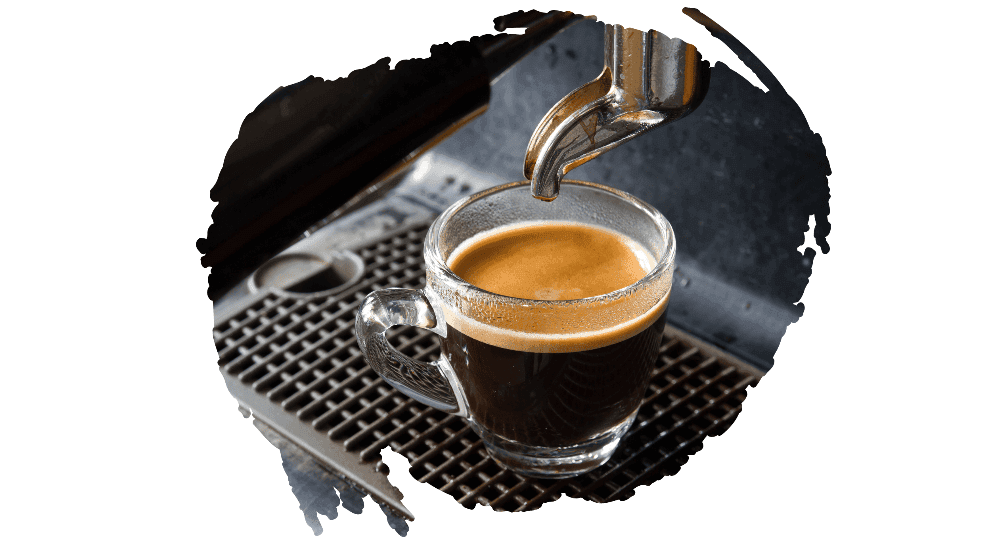
I say definitely not, but for an easy, consistent espresso-style drink, the flavor profile of Nespresso pods is pretty impressive.
Espresso Machines vs Nespresso Machines
Brewing espresso requires learning the craft – dosing, tamping, pulling the shot. Nespresso automates this process so anyone can make espresso-style coffee with the simple push of a button.
The simplicity comes at a cost though.
You lose the ability to customize strength, ratios, milk texturing, and other advanced techniques.
Espresso machines also allow you to use different varieties of fresh beans, and with Nespresso, you’re locked into their “ecosystem” and can only use their coffee pod offerings – which are rather limited and costly.
When it comes to cost, espresso machines have a large upfront investment if you want the best espresso machine for your home.
But factoring in Nespresso’s ongoing pod purchases, the long-term costs are comparable.
Here’s a breakdown of the main between the espresso machine versus the Nespresso machine:
| Nespresso Machine | Espresso Machine | |
| Skill Required | Low (user-friendly and automatic) | High (requires more barista skills) |
| Brewing Control | Limited (pre-set by capsules) | High (manual control over brewing) |
| Convenience | High (quick and easy operation) | Lower (requires more steps) |
| Cost Per Serving | Approx. $0.75 per capsule | Approx. $0.20 per single shot, $0.32 per double shot |
| Initial Investment | Lower upfront, ongoing pod expenses | Higher upfront, lower ongoing cost |
| Accessories Needed | Few (mainly for milk frothing) | Many (grinder, tamp, scale, etc.) |
| Taste and Flexibility | Consistent but limited choices | Flexible (full control over variables) |
| Pressure | Uses centrifusion, not traditional pressure | Typically, 9 bars and up, are considered ideal for an espresso shot |
| Best For | Convenience and quick espresso | Coffee enthusiasts, hobbyists and commercial |
Is Nespresso the Same as Real Espresso?
Unfortunately, the answer really depends. While the Nespresso method borrows espresso techniques, true espresso requires freshly grinding coffee beans.
Nespresso coffee machine capsules also lack freshness and don’t allow for much customization.
Sure, Nespresso can produce coffee and espresso-style drinks, but does it make true, authentic espresso?
The truth is there’s no universal definition of espresso – even the Specialty Coffee Association has varying technical guidelines, while Italians are especially strict when it comes to “their” authentic shot of espresso.
But generally, and for a rule of thumb, a shot of espresso should contain:
- A least 7 grams of finely ground coffee
- A minimum of 9 bars of water pressure
- 25-30 seconds of extraction time
- 25 mL of water
By this criteria, Nespresso does come close. The capsules have around 5 grams of pre-ground coffee, and most machines do use up to 19 bars of pressure, but the system relies on centrifusion technology and not traditional pressure.
But still, the extraction time is often on the low end at just 20-25 seconds.
So while Nespresso replicates some parameters of espresso, differences like using less coffee and shorter brew times mean most purists argue it ultimately falls short of making true, authentic espresso.
But with different conflicting definitions of espresso, I guess the jury is still out.
But convenience-wise, it produces an exceptional espresso-style coffee drink.
Conclusion
So there you have it.
After closely examining traditional espresso preparation and the Nespresso original pod system, some clear differences emerge between the two brew methods.
First, espresso uses freshly ground coffee beans, which are precisely dosed and tamped to allow the barista control over the final product.
In contrast, Nespresso relies on pre-ground coffee sealed in pods, which limits the user’s ability to customize but offers convenience and consistency.
Second, espresso machines give the user more control over variables like grind size, coffee dosage, and pull time.
This allows crafting a personalized shot but requires skill and practice. Nespresso automates the entire process at the expense of flexibility.
When it comes to flavor, espresso purists argue that the freshness of the grounds and oils released during grinding result in a more intense, nuanced taste compared to Nespresso.
However, Nespresso has optimized their pod technology to rival fresh-brewed flavor profiles.
Overall, for pure coffee enthusiasts interested in the craft and nuanced flavors of espresso, a machine using fresh grounds is recommended.
For those prioritizing convenience and ease of use, Nespresso produces an exceptional espresso-style coffee drink with minimal effort. For the best of both approaches, consider a super-automatic bean-to-cup machine like one of these.
Whichever method you choose, both espresso and Nespresso provide a satisfying, bold coffee experience.
I guess which style you prefer ultimately comes down to individual preferences.
What’s your favorite?
You Might Also Like
FAQ