All products are independently selected by our editors. If you buy something, we may earn an affiliate commission. Learn More >
Putting butter in coffee might sound strange, but people have been doing it for centuries. From yak butter tea in Tibet to buttered brews in Ethiopia and Vietnam, adding fat to hot drinks is nothing new.
What’s changed is how this old tradition has been repackaged in the West as “Bulletproof Coffee” and marketed as the ultimate keto morning drink.
So is adding butter to your coffee actually good for you, or just another fad?
Let’s look at what’s behind the trend, the potential health benefits, the risks of butter coffee, and how to make a butter coffee recipe that actually tastes good.
Butter Coffee vs Bulletproof Coffee: What’s The Real Difference
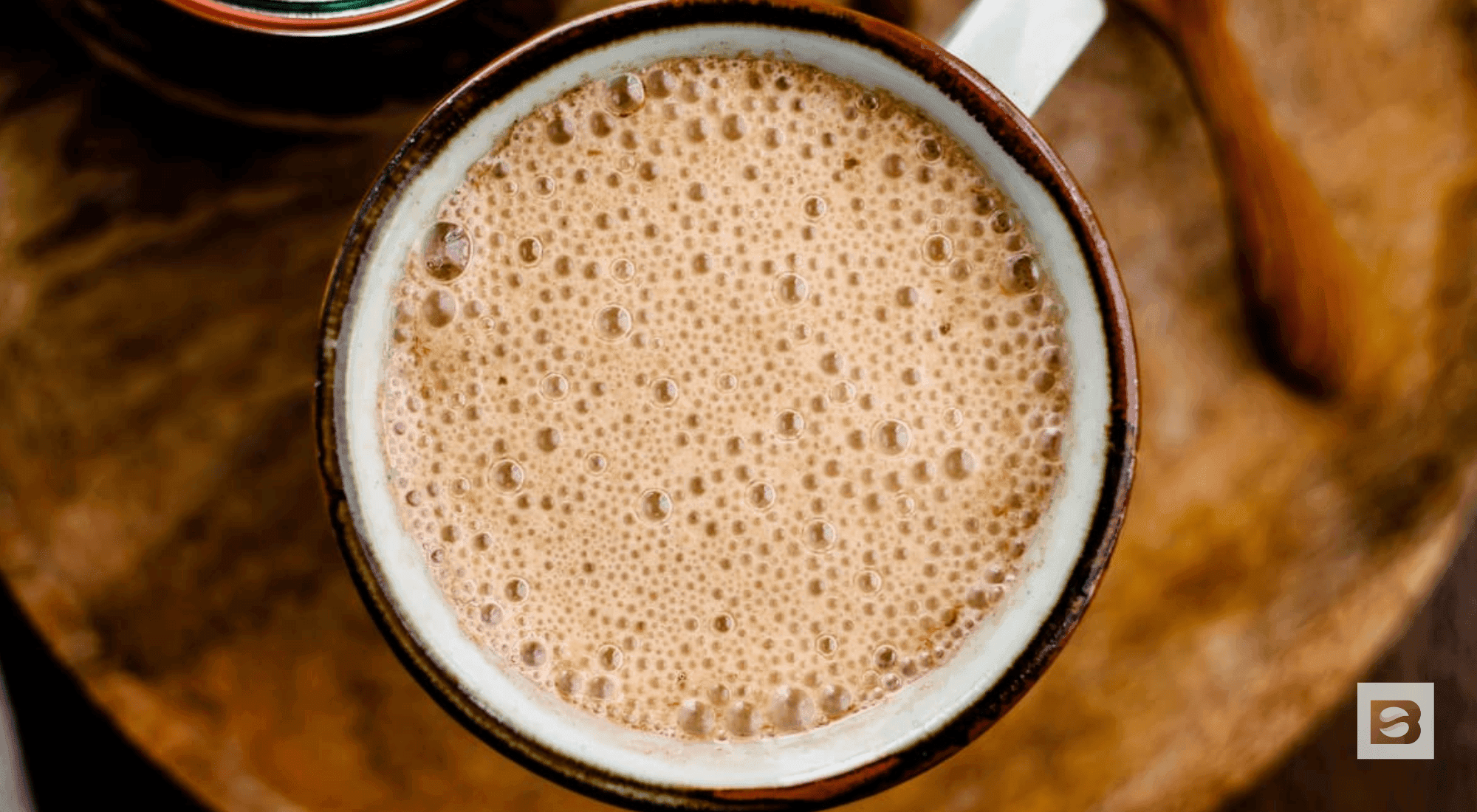
Butter coffee is the broad idea of blending hot brewed coffee with unsalted butter or ghee, often with a little coconut oil or MCT oil, creating a high fat beverage that many enjoy.
People have been drinking versions of it for centuries, long before it became trendy.
Bulletproof Coffee is Dave Asprey’s branded spin on the same idea. His recipe specifies his own coffee beans, grass-fed unsalted butter, and a particular type of MCT oil. He has marketed it heavily as part of the Bulletproof Diet, which is why the term has become so well known.
In practice, if you add butter to your coffee at home, you’re making butter coffee. If you use Asprey’s exact combination of beans, butter, and MCT oil, that’s Bulletproof Coffee.
The result is similar, a creamy, high-fat drink that many coffee drinkers swear by for long-lasting energy.
The Potential Health Benefits Of Butter Coffee
One of the main reasons people drink butter coffee is because it can keep you full for longer, thanks to the amount of fat it contains.
Black coffee alone won’t do much to satisfy hunger, but once you add butter and oil, you’re drinking something with real calories and fat.

That combination can help you skip snacks or even push lunch back without feeling starved.
Many fans also say the fat slows down how quickly caffeine hits, which helps them avoid the classic coffee crash. Instead of a sharp spike followed by a slump, you may get steadier energy that carries you through the morning.
For those on a ketogenic diet, butter coffee fits neatly into their coffee routine since it’s high in fat and very low in carbs.
Some also claim it boosts focus and mental clarity, often crediting the ketones produced from MCT oil. The science here isn’t strong, but plenty of coffee drinkers feel sharper after their morning butter brew.
Overall, while there are potential health benefits, butter coffee isn’t a miracle drink.
The Risks Of Butter Coffee You Should Know
Butter coffee isn’t all upside.
A typical cup made with butter and MCT oil can easily top 400 calories, most of it from saturated fat.
If you replace breakfast with it every day, you’re losing out on the vitamins, minerals, and fiber you’d normally get from food.
Saturated fat is another concern.
While newer research suggests it doesn’t always lead directly to heart disease, most health experts still recommend keeping your intake in check.
If you already have high LDL cholesterol, drinking butter coffee regularly may not be a good idea.
And then there’s digestion. Too much butter or MCT oil too quickly can upset your stomach, leaving you bloated or running for the bathroom. The best approach is to start small and see how your body handles it.
How To Make Butter Coffee At Home
Making butter coffee at home doesn’t take barista skills, but there are a few tricks to get the texture and taste right.

The goal isn’t just to drop a lump of butter into your morning cup of coffee, it’s to blend everything into a creamy drink that feels closer to a latte than a greasy brew.
Start with freshly brewed coffee.
Any method works, French press, pour-over, or AeroPress, but aim for a strong, bold cup since you’re going to dilute the flavor slightly with fat.
Espresso works too if you like your butter coffee richer and more intense.
When it comes to butter, quality makes a difference. Grass-fed unsalted butter (like Kerrygold) has a better flavor and contains slightly more nutrients like vitamin K and omega-3 fatty acids compared to regular butter.
If you’re sensitive to dairy, ghee (clarified butter) is a good alternative with a nuttier taste, making it a popular choice for people adding butter to their coffee.
Most recipes also call for MCT oil, which is a purified type of fat derived from coconut oil. It’s quickly absorbed and may give a faster energy boost, but if you don’t have it, plain coconut oil will do the job.
Just remember that both are calorie-dense, so start with small amounts until you know how your body handles it.
Ingredients:
- 1 cup freshly brewed black coffee
- 1–2 teaspoons unsalted grass-fed butter or ghee
- 1 teaspoon MCT oil or coconut oil
Method:
- Brew your coffee as normal.
- Add the hot coffee, butter, and oil to a blender.
- Blend on high for 20–30 seconds until the drink is frothy and emulsified.
That quick blitz in the blender is the step many people skip, and it’s why their first attempt tastes oily.
Blending breaks down the butter and oil so they mix evenly with the coffee, giving you a creamy, latte-like texture with a foamy top.
If you don’t want to haul out a blender every morning, a handheld milk frother works almost as well.
Once you’ve mastered the basics, you can experiment with add-ins. A dash of cinnamon or vanilla extract makes it taste like a coffee-shop latte, while a spoonful of cocoa powder gives you a homemade mocha.
Some people even mix in collagen or protein powder to make their butter coffee more filling, especially if they’re using it as a breakfast replacement.
The key is to start simple, get the texture right, and then adjust the amount of butter and oil until you find the balance that works best for you.
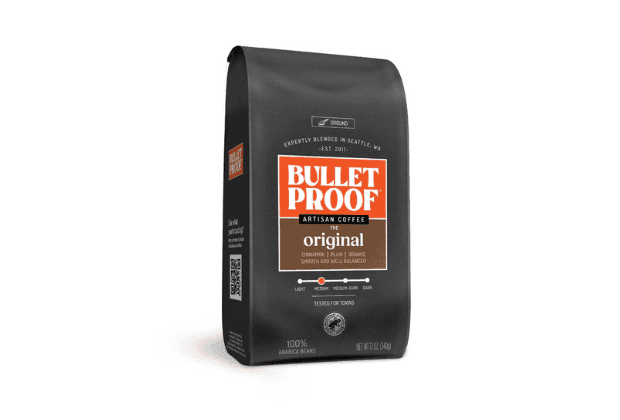
Bulletproof Original Ground Coffee
Start your day with Bulletproof Original roast coffee. This medium roast coffee features distinct notes of cinnamon, plum, and orange with a cocoa hazelnut finish.
Make It Yours With Simple Variations
Once you’ve nailed the basic butter coffee recipe, it’s easy to put your own twist on it. Think of the recipe as a foundation, you can adjust flavors and ingredients to suit your taste or dietary needs.
If you want a sweeter, spiced kick, try blending in a pinch of cinnamon, nutmeg, or pumpkin spice. These add warmth without sugar and make the drink feel more like a café-style latte.
A drop of vanilla extract works the same way, giving your butter coffee a smooth, dessert-like finish.
Chocolate fans often go for a spoonful of unsweetened cocoa powder. Blended in, it creates a rich mocha flavor that pairs beautifully with the butter’s creaminess.
Around the holidays, a little peppermint extract can turn your morning cup into a festive treat.
If you’re using butter coffee as a breakfast replacement, you might want to boost the nutrition. Many people add a scoop of collagen or protein powder to make it more filling.
Others experiment with adaptogens or functional powders like maca or reishi, though these are optional extras.
Even the type of fat you choose changes the flavor. Ghee adds a deeper, nutty note compared to butter, and swapping coconut oil for MCT oil gives a slightly different texture and energy release.
Don’t be afraid to experiment, you might land on a version that tastes even better than the original.
The bottom line, butter coffee doesn’t have to be boring. With a few tweaks, you can make it feel indulgent, seasonal, or even more functional, depending on what you need that day.
When To Drink Butter Coffee, And When To Skip It
Butter coffee can be useful in the right situations.
Many people drink it first thing in the morning as part of intermittent fasting, or before a long work session when they don’t want to be distracted by hunger.
It can also work for people following a keto diet who need the extra fat to stay in ketosis.
But it shouldn’t become your only breakfast. Relying on butter coffee every day means missing out on the wide range of nutrients that come from a balanced meal.
If you’re watching your cholesterol, managing diabetes, or just trying to keep calories under control, it’s better to enjoy it occasionally rather than daily.

How Much Is Too Much
The calories and fat in butter coffee add up fast. Depending on how much butter and oil you add, you could be drinking 300 to 450 calories in a single cup, with a high amount of saturated fat.
That’s fine once in a while, but drinking several cups a day is going to push your fat intake way up.
Start small and pay attention to how you feel. For most people, one cup in the morning is plenty.
Common Mistakes To Avoid
Even though butter coffee looks like one of the easiest coffee recipes you can make, it’s also one of the easiest to get wrong.
The difference between a creamy, frothy cup and a greasy mess usually comes down to a few small details.
New coffee drinkers often assume they can just stir in a pat of butter and call it a day, but that approach rarely works.
Others get overexcited and add way too much fat, only to end up with a heavy, unbalanced drink that feels more like an experiment gone wrong than a nourishing start to the day.
Think of butter coffee as equal parts technique and ingredients. The quality of the butter, the amount of oil you use, and how you mix everything together all affect the final drink.
If you treat it like a proper recipe rather than a quick hack, you’ll end up with something rich and satisfying instead of a cup you regret.


Here are the most common mistakes to watch out for:
- Using margarine or low-quality spreads instead of real unsalted butter
- Adding too much butter or MCT oil before your body adjusts
- Stirring instead of blending, which leaves an oily slick on top
- Replacing every breakfast with butter coffee and missing out on nutrients
Final Thoughts
Butter in coffee isn’t as crazy as it sounds. Whether you make a simple butter coffee at home or follow the Bulletproof Coffee recipe with grass-fed butter and MCT oil, it’s a rich, creamy way to start your morning.
There are some potential health benefits like longer-lasting energy and fewer cravings, especially for people following a keto diet.
But there are also risks of butter coffee if you drink it every day, from high calories and saturated fat to missing out on other nutrients.
If you’re curious, try adding butter to your coffee and see how it works for you. Use good-quality unsalted butter, start with small amounts, and keep it an occasional treat rather than your only breakfast, especially if you’re monitoring your blood sugar.