All products are independently selected by our editors. If you buy something, we may earn an affiliate commission. Learn More >
Ask ten people how long black coffee can sit out and you’ll get ten different answers.
I’ve seen everything from “it’s fine all day” to “bin it after an hour.” The truth sits somewhere in the middle, and it depends on what you actually care about, flavor or safety, because those are two very different conversations.
Want to know the truth? Keep on reading!
The Short Answer (and Why Other Articles Can’t Agree)
Most articles you’ll find online throw out a number, anywhere from 4 hours to 24, and leave it at that. The reason they disagree is that they’re answering different questions without realizing it.
Here’s how I’d break it down:
For flavor, black coffee starts going flat and stale within 30 minutes of brewing. After about two hours, oxidation has done enough damage that what’s in your cup tastes noticeably worse than when it came off the brewer.
It won’t kill you, but it won’t taste good either.
For safety, plain black coffee without milk or creamer can sit out at room temperature for up to 12 hours before bacterial contamination becomes a real concern.
The natural acidity in coffee slows bacterial growth, which is why it holds up longer than, say, a glass of milk left on the counter.
So when someone asks, “Can you drink coffee that has been sitting out?” the honest answer is: yes, probably, but you might not enjoy it.
What Actually Happens When Black Coffee Sits Out
The moment your coffee finishes brewing, a clock starts ticking.
Understanding what’s happening chemically makes it much easier to decide when to drink it and when to let it go.
Coffee is loaded with volatile aromatic compounds. These are the molecules responsible for that smell that gets you out of bed in the morning.
They start escaping the moment your cup hits the air. Within an hour, a significant portion of those aromatics are gone. What you’re left with is a flatter, less complex drink.
At the same time, oxidation is altering the flavor compounds in the coffee itself. Chlorogenic acids break down and reform into other compounds, pushing the taste toward bitter and sour.
The longer black coffee sits out at room temperature, the more pronounced this gets.
This is also why reheating leftover coffee rarely tastes right. You’re not restoring the original cup; you’re heating a chemically altered version of it.
Oxidation damage doesn’t reverse with warmth.



The Warming Plate Problem Nobody Talks About
Here’s something most articles on coffee freshness completely ignore.
If your drip coffee is sitting on a hot plate, it’s degrading faster than coffee left to sit at room temperature.
The heat from a warming plate, typically around 80°C, accelerates oxidation and drives off aromatics far more aggressively than ambient air does.
What you taste in a pot of drip coffee that’s been on the burner for two hours isn’t just stale, it’s actively scorched. That harsh, almost burnt bitterness isn’t from the roast; it’s from the plate.
If you want to keep brewed coffee drinkable longer, transfer it to a thermal carafe immediately after brewing.
A good thermal carafe holds temperature for two to four hours without applying any heat, which means the coffee ages naturally rather than cooking on a burner.
Coffee with Milk or Creamer: A Completely Different Timeline
Everything above applies to plain black coffee. The moment you add milk or creamer, the rules change completely.
Coffee with dairy should not sit out at room temperature for more than two hours.
Dairy provides the warm, nutrient-rich environment that bacteria need to multiply quickly. Coffee with milk or creamer that’s been left out for three or four hours isn’t just stale, it can genuinely make you ill.
This applies to anything milk-based: lattes, flat whites, cappuccinos, even a small splash of cream in a drip coffee.
If you’ve added dairy and it’s been more than two hours, don’t risk it. The two-hour rule isn’t overly cautious. It’s just sensible.
How Long Can Coffee Sit in the Fridge?
If you’ve brewed more than you can drink, the fridge is your best option. Properly stored hot-brewed coffee will keep well for three to four days in a sealed container.
The cold dramatically slows oxidation, so while it won’t taste quite as bright as a fresh cup, it’s perfectly drinkable. This is the basis of every decent homemade iced coffee.
Cold brew coffee is a different story.
Because it’s brewed cold and slow, it’s naturally less prone to oxidation than hot-brewed coffee. Cold brew concentrate stored in the fridge in an airtight container will last up to two weeks without much flavor loss.
One thing worth noting: don’t leave brewed coffee in the fridge uncovered. Coffee absorbs surrounding odors with surprising efficiency, and last night’s leftovers have no business anywhere near your morning cup.
How to Tell If Your Coffee Has Gone Bad
Your senses are the most reliable test here. You don’t need to watch the clock every time.
Smell it first. Fresh coffee, even a few hours old, should still smell like coffee.
A sour, musty, or simply hollow smell is your sign. Coffee that has gone bad has a noticeably off aroma that’s hard to miss once you know what you’re looking for.
Check the appearance.
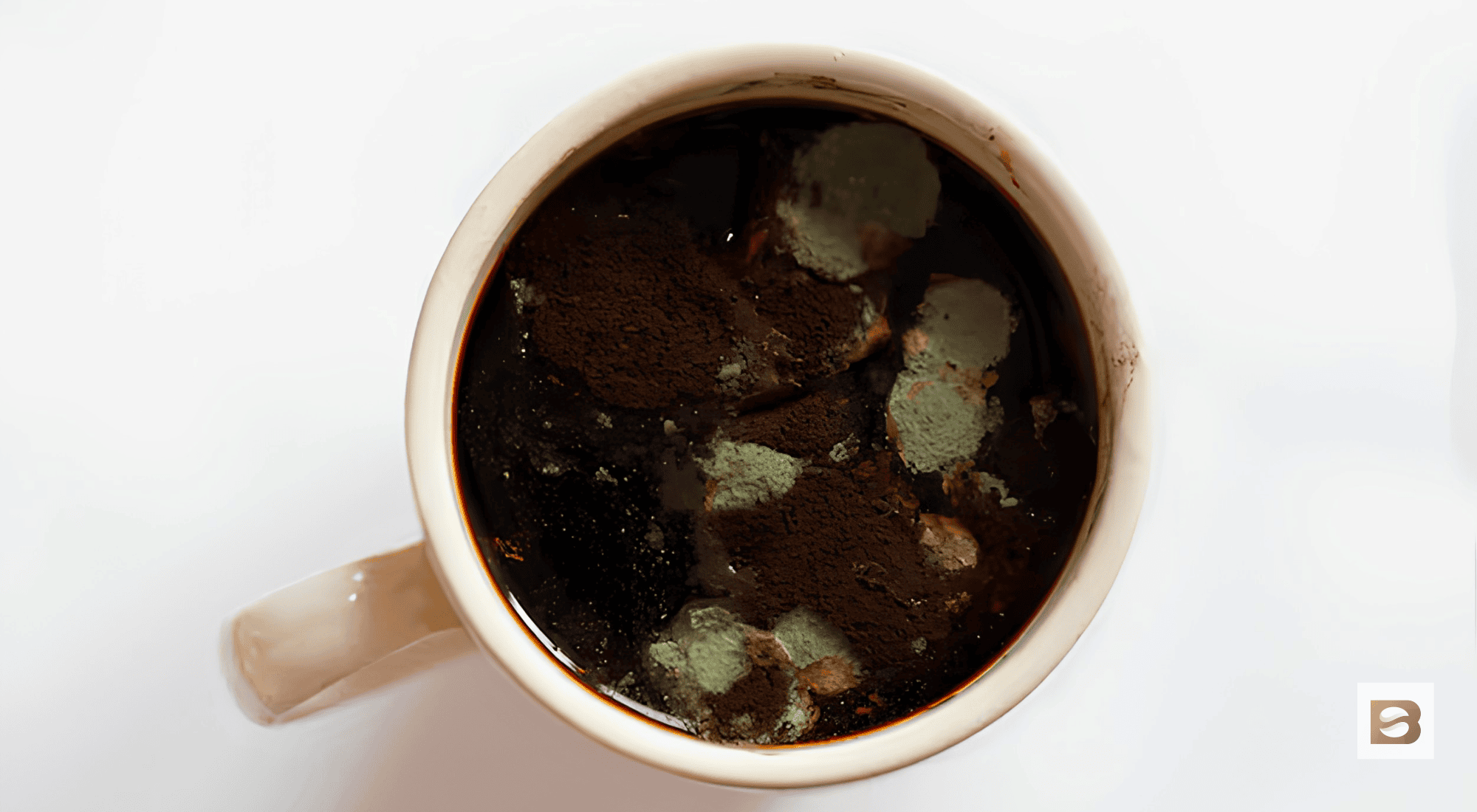
Black coffee left out for an extended period can develop a slightly oily film on the surface. In cases where the container was already contaminated, visible mold is possible. If you see anything unusual, discard it without tasting.
If you’re still unsure, take a small sip. Severely stale coffee tastes flat, harsh, and faintly sour, not the pleasant brightness of a well-roasted bean, but something that’s clearly turned.
When in doubt, brew fresh.
Final Thoughts
How long can black coffee sit out at room temperature?
For safety, you’ve got roughly 12 hours. For flavor, you’ve got around two hours before it’s noticeably worse, and closer to 30 minutes if you want it at its genuine best.
The practical takeaway is straightforward. Drink it while it’s fresh. If you’ve made too much, get it into a thermal carafe or the fridge straight away. And if there’s any dairy in it, the two-hour rule applies without exception.
That’s really all there is to it.