All products are independently selected by our editors. If you buy something, we may earn an affiliate commission. Learn More >
Cold coffee drinks have taken over coffee shops and home kitchens in recent years. From classic iced coffee to smooth cold brew, there’s no shortage of chilled caffeine fixes.
But if you’ve spotted nitro cold brew coffee on the menu, you might be wondering how it stacks up against regular cold brew coffee.
At first glance, they look pretty similar, but the brewing and serving methods of cold brew and nitro coffee set them apart.
One is steeped slowly in cold water, while the other takes that same cold brew and infuses it with nitrogen to create a creamy, draft-beer-style pour.
In this guide, I’ll walk you through the difference between nitro cold brew and cold brew, from taste and texture to caffeine, calories, and cost.
What Is Cold Brew Coffee?

Cold brew coffee is made by steeping coarse or medium-coarse ground coffee beans in cold water for an extended time, usually between 12 and 24 hours.
Instead of using heat, the slow extraction process draws out the coffee’s natural sweetness while leaving behind much of the bitterness and acidity you’d normally get from a hot cup of coffee.
The result is a smooth, mellow cold coffee that many people find easier on the stomach compared to hot brewed coffee or even traditional iced coffee.
Depending on the ratio of coffee to water, cold brew can also be brewed as a concentrate, which you can dilute with water, milk, or even a splash of tonic for a refreshing twist.
Cold brew isn’t just for coffee shops either. With a jar, some ground coffee, and filtered cold water, you can easily make cold brew at home and have a batch ready to sip throughout the week.
What Is Nitro Cold Brew Coffee?
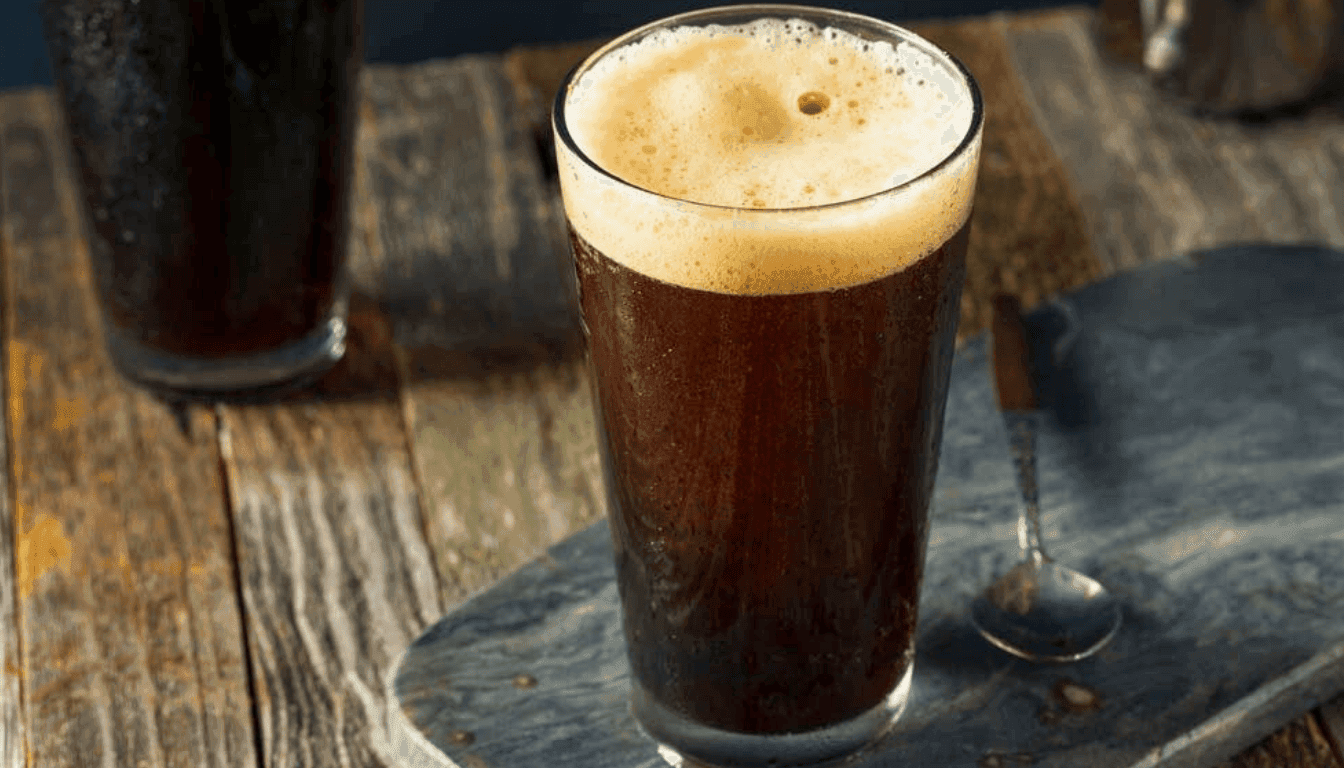
Nitro cold brew coffee starts life as a regular cold brew, but instead of being served straight from the fridge, it’s infused with nitrogen gas.
That infusion gives the coffee a dramatic cascading effect when it’s poured, much like a pint of Guinness. On top, you’ll get a thick, creamy foam that makes the drink look as good as it tastes.
The nitrogen bubbles don’t just change the appearance. They also transform the mouthfeel, creating a velvety, almost silky texture.
Many people describe nitro coffee as tasting sweeter and smoother than regular cold brew coffee, even without sugar or milk.
Since it requires kegs, taps, and special equipment, you’ll usually find nitro served in coffee shops rather than brewed at home.
But its rich body and foamy head have made it a favorite among fans of specialty coffee looking for something different from the usual iced coffee.
Nitro Cold Brew vs Cold Brew: The Key Differences
While both drinks start with the same base, the difference between nitro cold brew and cold brew becomes clear once you taste them side by side.
Here’s a quick breakdown:
| Feature | Nitro Cold Brew Coffee | Cold Brew Coffee |
|---|---|---|
| Flavor | Slightly sweeter with a rich, foamy top | Smooth, earthy, sometimes a touch bitter |
| Texture | Creamy, velvety, draft-beer-like body | Smooth but heavier, without the nitrogen fizz |
| Caffeine (per tall serving) | Around 250 mg | Around 250 mg |
| Acidity | Feels lower thanks to nitrogen’s smooth finish | Naturally low compared to hot brewed coffee |
| Starbucks Sizes | Tall & Grande only | Tall, Grande, Venti |
Both are brewed with cold water and use similar coffee-to-water ratios, but nitro takes the experience further with its creamy mouthfeel and signature cascading pour.
If you want a softer, foamy cold coffee that feels like a treat, nitro is the one to order.
If you prefer a classic, straightforward cup, regular cold brew coffee will do the job.
Does Nitro Cold Brew Have More Caffeine?
One of the biggest questions people ask is whether nitro cold brew is stronger than cold brew. The short answer: not really.
Both drinks usually pack around the same amount of caffeine, though the exact number depends on the coffee beans, the brew ratio, and the serving size.
A standard cold brew coffee has a naturally high caffeine content because the grounds steep in cold water for 12–24 hours. That long extraction pulls out plenty of caffeine along with the smooth, low-acid flavor cold brew is known for.
With nitro cold brew coffee, the caffeine amount doesn’t change much. What does change is the perception of strength, especially when comparing regular coffee to nitro cold brew.
The nitrogen bubbles give the drink a thick, velvety body and slightly sweeter flavor, which can trick you into thinking it’s stronger than it really is.
So when it comes to nitro cold brew vs cold brew, don’t expect a bigger caffeine hit from nitro.
They’re generally neck and neck, both offering a more powerful buzz than a standard cup of hot coffee or traditional iced coffee.

Calories in Nitro Cold Brew vs Cold Brew
If you’re counting calories, both cold brew coffee and nitro cold brew coffee are about as light as it gets. Served plain and black, each cup usually has around five calories, sometimes even less.
That’s because they’re just coffee and water, with no milk or sugar involved.
Where things change is in what you add. A splash of cream, a pump of flavored syrup, or a spoonful of sugar will quickly raise the calorie count, whether it’s nitro or regular cold brew.
So if you like your cold coffee strong, smooth, and nearly calorie-free, stick to drinking it black. If you prefer something sweeter or creamier, just be aware that those extras will tip the scale.
Cost Comparison: Nitro Cold Brew vs Cold Brew
Price is another place where these two drinks part ways. A regular cold brew coffee is usually more affordable, while nitro cold brew often comes with a premium price tag.
The reason is simple: nitro requires extra equipment like kegs, taps, and nitrogen tanks to serve. That added setup means higher costs for the coffee shop, which usually gets passed down to your cup.
At chains like Starbucks, you’ll notice nitro cold brew coffee is only available in smaller sizes and costs more than the same-sized cold brew.
At local coffee shops, the price difference may vary, but nitro almost always sits at the top end of the cold coffee menu.
So if budget is a factor, cold brew wins.
If you’re willing to pay a little extra for that creamy, draft-style experience, nitro is worth the splurge.
Taste and Mouthfeel: Which One Should You Choose?
When it comes down to nitro cold brew vs cold brew, the real difference is in how they feel and taste in the cup.
- Cold brew coffee has a smooth, mellow flavor with earthy notes. It’s naturally low in acidity, which makes it easy to drink black. Some brews taste slightly bitter, depending on the beans and steeping time, but overall, it’s clean and refreshing.
- Nitro cold brew coffee takes that same base and transforms it. The nitrogen infusion creates a thick, creamy mouthfeel with a foamy head. Many people say it feels sweeter and softer, even without milk or sugar.
So which is better?
If you enjoy a straightforward, no-frills cup, stick with cold brew. If you want your cold coffee to feel indulgent, almost like a dessert without the calories, nitro might be your go-to.
Fun Fact & The Rise of Nitro Cold Brew
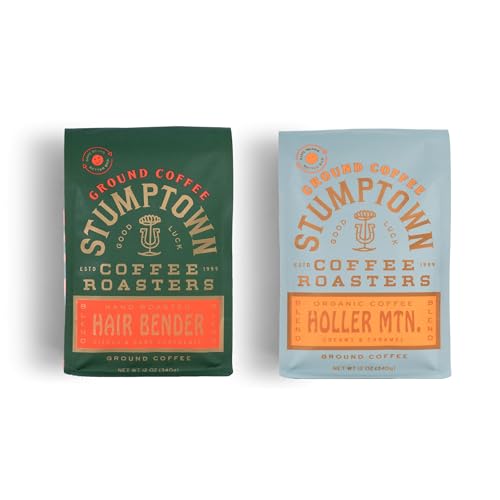
Nitro cold brew coffee may feel like a modern trend, but it’s not been around that long. The first known appearance was in 2013 when Stumptown Coffee Roasters started experimenting with infusing cold brew with nitrogen.
The creamy texture and cascading pour caught on fast, and soon other specialty coffee shops began serving it on tap.
From there, Nitro became a star in the coffee industry, showing up at chains like Starbucks and even in ready-to-drink cans at grocery stores.
The rise of specialty coffee culture pushed it further, with drinkers looking for unique experiences beyond a standard cup of hot coffee or traditional iced coffee.
What started as a niche experiment has now become a staple menu item worldwide.
Nitro offers a new way to enjoy coffee without milk, sugar, or extra calories, while still feeling like a treat.
Making Nitro Cold Brew at Home
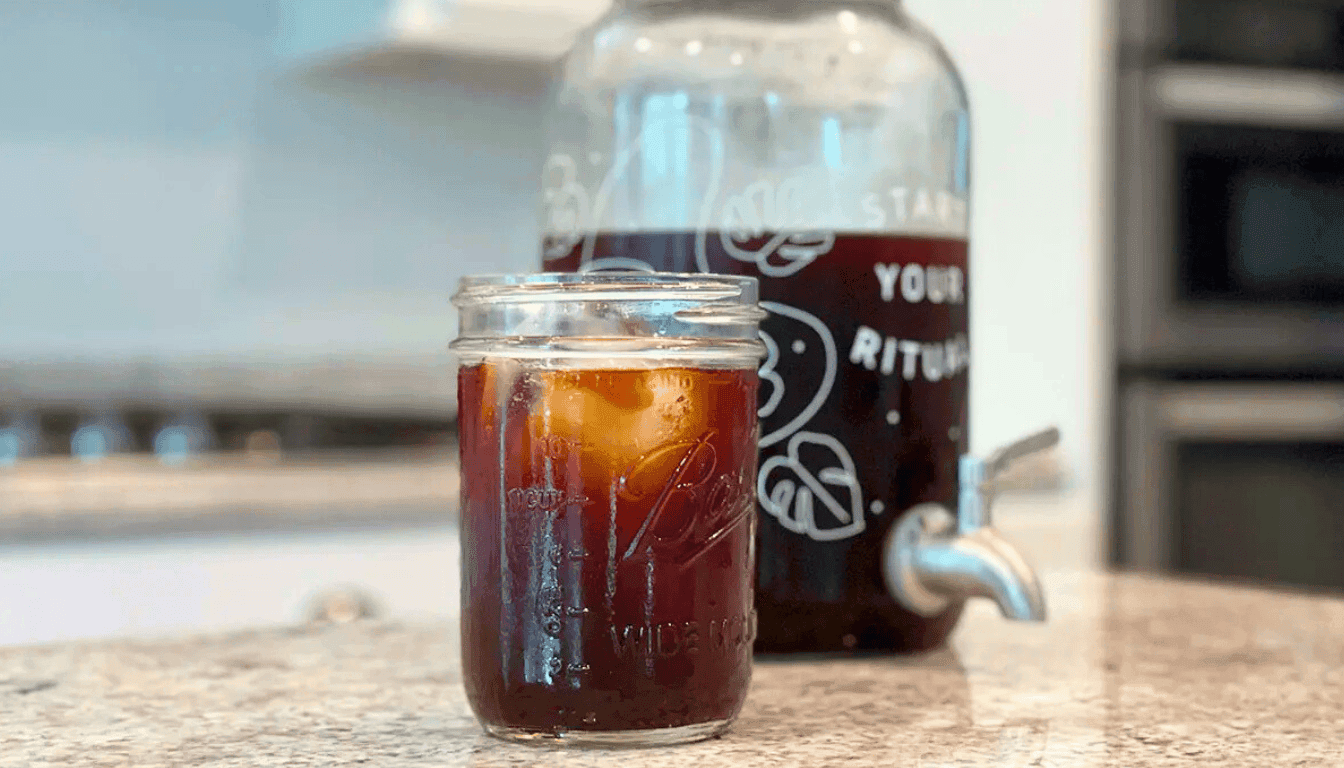
You don’t need to visit a coffee shop every time you want a glass of cold brew coffee. With a jar, some coarse-ground coffee, and cold water, you can easily make cold brew at home.
Just steep the grounds for 12–24 hours, strain, and store the concentrate in the fridge.
It’ll keep for several days and can be enjoyed straight, over ice, or diluted with milk or water.
Nitro cold brew coffee is trickier, but not impossible. At the basic level, you can pour your cold brew concentrate into a whipped cream dispenser charged with nitrogen cartridges.
Give it a shake, and you’ll get a foamy, creamy cup that mimics the café version.
If you’re serious about it, there are also home nitro cold brew coffee makers that use small kegs and taps, just like the pros.
While it takes more effort, experimenting with nitro at home can be a fun project. It’s a chance to enjoy that smooth, velvety texture without standing in line at your local coffee shop.
Wrapping Up
Both cold brew coffee and nitro cold brew coffee start with the same base, but the drinking experience is completely different.
Cold brew is smooth, mellow, and easy to make at home, while nitro is creamy, foamy, and feels more like a specialty treat. Caffeine levels are about the same, calories are low, and the choice really comes down to personal taste and budget.
If you want an everyday cold coffee that’s simple and refreshing, stick with cold brew. If you’re in the mood for something indulgent with a silky finish, try nitro cold brew the next time you’re at a coffee shop.
Either way, both drinks are proof that coffee doesn’t need to be hot to be delicious.