

All products are independently selected by our editors. If you buy something, we may earn an affiliate commission. Learn More >
Somewhere between an iced americano and a gin and tonic sits a drink that shouldn’t work but absolutely does. Bubbly, bright, a little bitter in the best way. I’ve made enough of these behind a bar and in my own kitchen to give you the real answer.
Sparkling coffee is coffee, usually espresso or cold brew, combined with some form of carbonated liquid, whether that’s tonic water, plain soda water, or sparkling mineral water. No syrups required and no dairy needed.
The fizz makes the drink taste lighter and brighter than the beans alone ever could, which is why it’s shown up on so many summer menus and shows no sign of leaving.
Let’s take a closer look.
The Two Main Styles of Sparkling Coffee
People throw around “sparkling coffee” like it’s one drink. It’s not. There are two distinct styles, and mixing them up is where most home attempts go sideways.
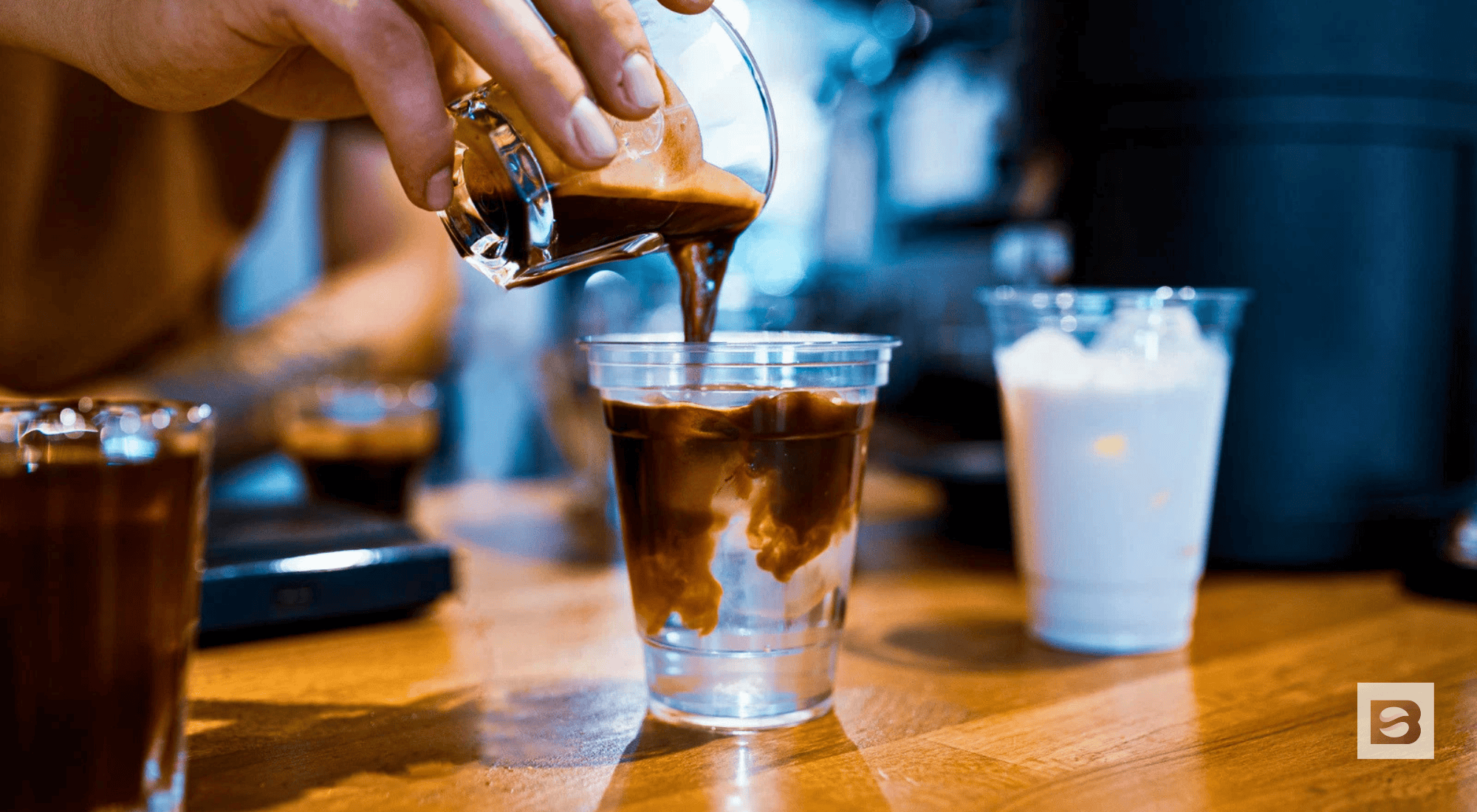
Espresso tonic starts with a hot double shot poured gently over cold tonic water and ice.
The quinine in tonic water carries a sharp, almost citrusy bitterness that meets espresso’s own bitterness and, somehow, the two calm each other down instead of piling up.
You get a drink that’s bittersweet, a little medicinal in a good way, and genuinely refreshing.
Sparkling cold brew, sometimes called coffee soda, swaps the tonic for plain carbonated water and swaps the espresso for cold brew concentrate.
It’s a gentler drink. Cold brew is already smoother and less acidic than espresso, so when you carbonate it, you lose the tonic’s bitterness but keep more of the coffee’s natural character. If tonic’s medicinal edge isn’t your thing, this is the version to try first.
Neither is “the real one.”
They’re built for different palates, and knowing which one you’re actually craving saves you from making the wrong drink and deciding you hate sparkling coffee entirely.
Why Carbonation and Coffee Actually Work Together
Here’s what’s actually happening, because “the bubbles are refreshing” isn’t really an answer.
Carbonation changes how your tongue perceives flavor. The tiny bubbles physically lift aromatic compounds out of the liquid faster, which is why a carbonated drink smells more intense the moment you bring it to your face.
Coffee has plenty of those aromatic compounds, especially the fruity and floral ones in lighter roasts, and carbonation makes them louder instead of letting them sit buried under the liquid’s weight.
There’s also a bittersweet balancing act going on.
Tonic water carries a touch of sugar alongside its quinine bitterness. Espresso carries its own bitterness plus whatever cocoa or citrus notes the roast brings out.
Put them together and neither bitterness dominates. They trade off. That’s the actual chemistry behind why this “shouldn’t work” combination does.
Best Coffee Beans for Sparkling Coffee
Reach for light to medium roasts with citrus, berry, or floral notes. Ethiopian and Kenyan beans are the classic picks for a reason, and a washed Colombian works well too.
Skip your dark roasts here. The smoky, ashy notes that read as rich and comforting in a regular cup turn harsh and almost burnt-tasting once carbonation amplifies them.
This is the one place where your favorite bold morning blend will actively work against you.
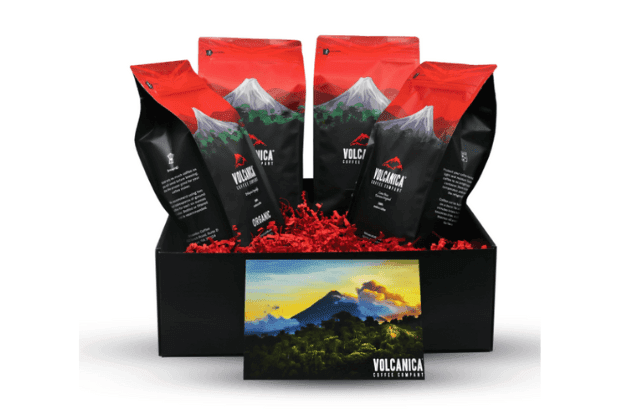
Volcanica Coffee Lover Gift Box
The perfect gift box for the average avid coffee drinker, this gift box includes the best-selling products all in one package. Explore the taste of favorite coffees from around the world from the comfort of home.
The Real Reason Your Sparkling Coffee Goes Flat
Here’s the part that actually matters, because it’s the difference between a drink that tastes like a café’s and one that tastes like flat soda with coffee dumped in it.
Carbon dioxide dissolves better in cold liquid than in warm liquid, and it dissolves better in still liquid than in agitated liquid. Espresso tonic breaks both of those rules on purpose.
You’re pouring a hot shot into a cold, bubbly drink, and heat plus motion is exactly what pushes CO2 out of solution.
That’s why the layered look fades fast and why the fizz disappears within a couple of minutes if the drink sits.
The fix isn’t a secret ingredient. It’s your technique.
Chill your glass and your tonic ahead of time so the temperature gap between the espresso and everything else is smaller.
Pour the espresso slowly over the back of a spoon instead of dropping it straight in, since that single move cuts down the agitation that knocks bubbles loose.
And serve it the moment it’s made.
Espresso tonic isn’t a make-ahead drink, and no amount of stirring will bring the fizz back once it’s gone.

How to Make a Perfect Espresso Tonic at Home
The ratio for this drink swings anywhere from one part espresso to two parts tonic, up to one part espresso to three parts tonic.
Here’s the reasoning behind picking one. A 1:2 ratio keeps the espresso as the main character with tonic playing support. A 1:3 ratio flips that, letting the tonic’s bitterness lead and the espresso show up as an accent.
If you’re making this for the first time, start at 1:2.5 and adjust from there. It’s the middle ground that lets you actually taste what each ratio does before you commit to a favorite.
- Chill your glass and your tonic water. Cold glassware alone preserves more fizz than people expect.
- Fill the glass completely with ice. Skimping here means the drink warms up fast and takes the carbonation with it.
- Pour 5 to 6 ounces of tonic water slowly down the side of the glass.
- Pull 2 ounces of espresso and pour it gently over the back of a spoon so it settles on top instead of crashing through.
- Garnish with a twist of lime, lemon, or orange peel, and give it a light twist over the glass to release the oils before dropping it in.
Don’t stir it. The layered look is half the reason people order this in the first place, and a stir just turns it into a light iced coffee with extra steps.
Coffee Soda Recipe: A Simpler Carbonated Cold Brew
If tonic’s bitterness isn’t your speed, this version gets you sparkling coffee with almost no learning curve.
Fill a glass with ice, pour in 4 to 6 ounces of plain sparkling or soda water, then add 2 ounces of cold brew concentrate on top. That’s genuinely the whole recipe.
Add a splash of simple syrup if you want sweetness, or skip it entirely for something closer to sparkling black coffee.
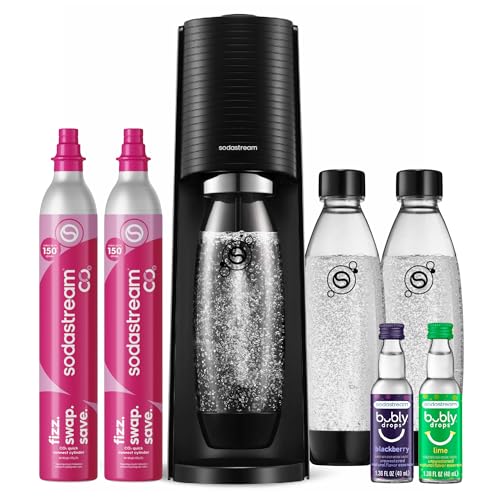
One thing worth knowing before you try to get clever with equipment. If you own a home carbonator like a SodaStream, resist the urge to carbonate the coffee directly.
Coffee’s oils and fine particles can gum up the carbonating valve over time, and manufacturers generally don’t recommend it for that reason.
Carbonate plain water first, then combine it with your cold brew afterward. Same fizzy result, no risk to your machine.
Sparkling Black Coffee: What to Know About RTD Options
If making it yourself isn’t in the cards, canned and bottled sparkling black coffee has gotten genuinely good over the last couple of years.
These are typically cold brew that’s been carbonated under pressure at a commercial level, which is why the fizz holds up so much better than anything you’ll get shaking a bottle at home.
When you’re comparing options, check the ingredient list for actual coffee content versus flavoring, and pay attention to caffeine per can since it varies more between brands than you’d guess.
A can that lists “coffee extract” low on the ingredients is usually thinner and more diluted than one that leads with brewed coffee or cold brew concentrate.


Final Thoughts
Sparkling coffee isn’t complicated once you understand what’s actually happening in the glass.
It’s a temperature and carbonation game as much as a flavor one, and now that you know why the fizz disappears and which ratio actually suits your taste, you’ve got more control over this drink than most people who order it ever bother to learn.
Have you tried making one at home yet, tonic or plain soda?




OMG – just made an espresso tonic for the first time and it was incredible! I usually go for espresso or long black, but its incredible how the tonic and espresso mix. Amazing taste and very refreshing. One question… I worked on a notional 1:3 ratio for espresso to tonic, but for brewing the espresso itself (18g basket) would you go for a long 1:3 pull? That gives a 54g espresso with about 150g of tonic.
Yes, your thinking on the drink ratio makes sense. The one thing I’d separate is the espresso brew ratio from the espresso-to-tonic ratio. With an 18g basket, I’d probably start around 1:2 to 1:2.5 for the espresso, so roughly 36–45g out. Then add around 120–150g of tonic. That gives you plenty of coffee flavour without the espresso becoming too dominant.
A 1:3 espresso pull (18g in, 54g out) would certainly work too, particularly if you want a lighter, more refreshing drink. I’d probably try both 45g and 54g and see which balance you prefer.
There isn’t really a single “correct” ratio with an espresso tonic, as the roast, tonic and your personal taste all make a difference.