All products are independently selected by our editors. If you buy something, we may earn an affiliate commission. Learn More >
There’s a point every coffee drinker hits.
You brew your usual cup. Same beans. Same method. Same mug you’ve had for years. You take a sip and think, “Yeah… that’s coffee.”
It’s not bad. It’s just predictable.
If you’ve ever wondered what can you add to coffee for flavor without turning it into a syrupy dessert, you’re not alone.
And if you drink it black and still want it to taste better, you’ve probably asked what to add to black coffee to make it taste better without ruining it.
The good news is you don’t need sugary syrups or expensive flavored beans. You just need to understand how flavor actually works in coffee.
Let’s start with something most people skip.
Start With The Coffee Itself
Before you add anything, your base coffee needs to taste good on its own.
I’ve seen people dump cinnamon, cocoa, and honey into a weak, stale brew and then blame the add-ins when it still tastes flat.
That’s not a flavor problem. That’s a brewing problem.
Check these first:
- Freshness: If your coffee is pre-ground and has been open for weeks, it’s already lost a lot of aroma. Freshly ground beans make a bigger difference than any spice ever will.
- Strength: If your cup tastes thin, increase your coffee dose. Adding flavor to weak coffee just gives you weak, flavored coffee.
- Water quality: If your water tastes off straight from the tap, your coffee will too. Filtered water can noticeably improve sweetness and clarity.
Once your base tastes solid, then adding flavor becomes enhancement instead of damage control.
Spices That Actually Work With Coffee
Coffee already contains natural spice notes, especially medium and dark roasts. That’s why certain spices blend beautifully instead of clashing.
The trick is knowing how to add flavor to coffee properly.
Most spices work best when added to the grounds before brewing. That allows the hot water to extract their oils gently and evenly.
Cinnamon
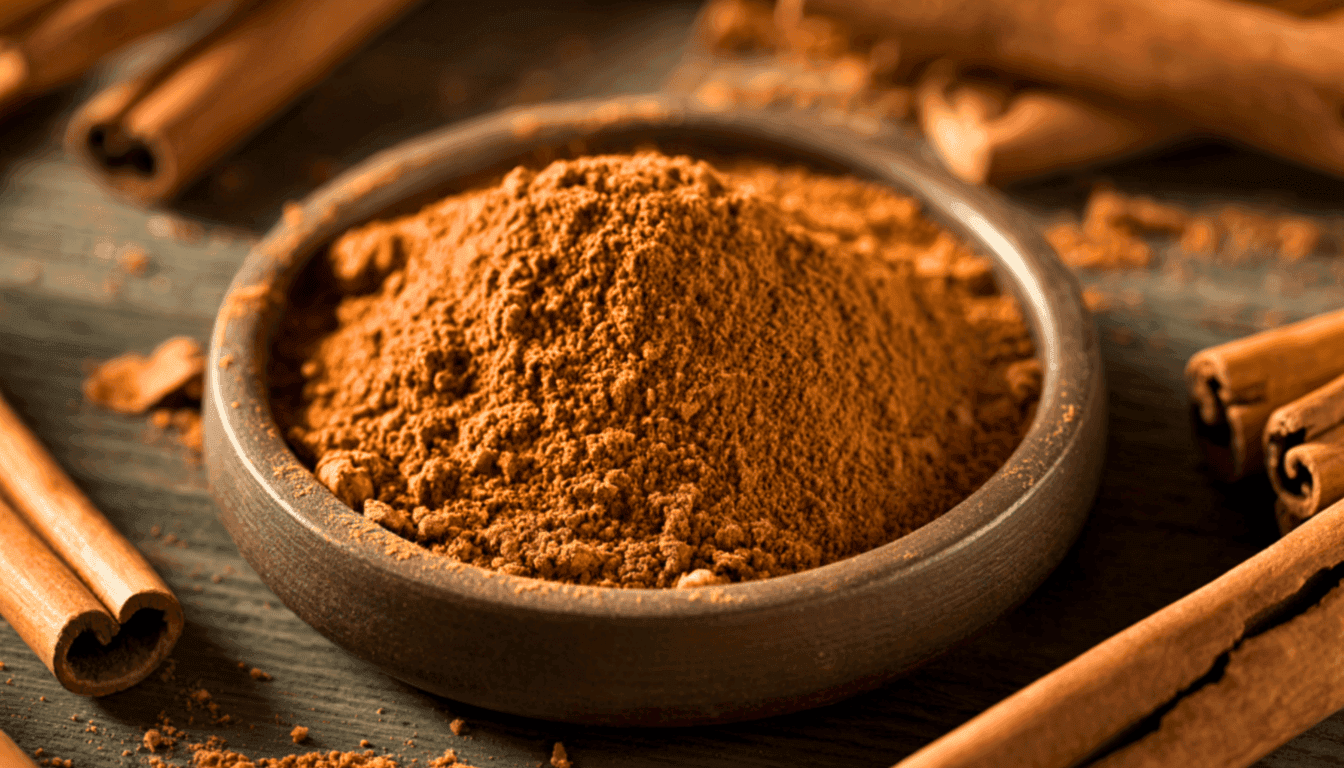
Cinnamon is the easiest place to start.
Don’t just sprinkle it on top of brewed coffee. It floats, clumps, and mostly smells better than it tastes.
Instead, mix about one eighth of a teaspoon into your grounds before brewing. That’s enough for a single cup. If you’re making a full pot of coffee, scale up slightly but don’t overdo it.
Cinnamon works best with medium roasts that already have chocolate or nutty notes. It enhances what’s there instead of competing with it.
Too much and it tastes dusty. I’ve done that. Once.
Cardamom

Cardamom adds warmth with a subtle citrus edge.
Lightly crush one pod and add it to your grounds. It pairs exceptionally well with darker roasts and fuller brewing methods like French press.
It’s bold. Start small. You can always increase next time.
If you drink black coffee and want something different, this is one of the best upgrades that still respects the coffee.
Nutmeg and Clove

These two are powerful.
Freshly grated nutmeg adds a gentle warmth and depth to the coffee. A small pinch in the grounds is enough for a full mug.
Clove is stronger. One clove per pot, not per cup. Just don’t overdo it, or you might find that your coffee will taste like holiday potpourri.
Used sparingly, both of these add richness that feels intentional rather than overpowering.
Star Anise
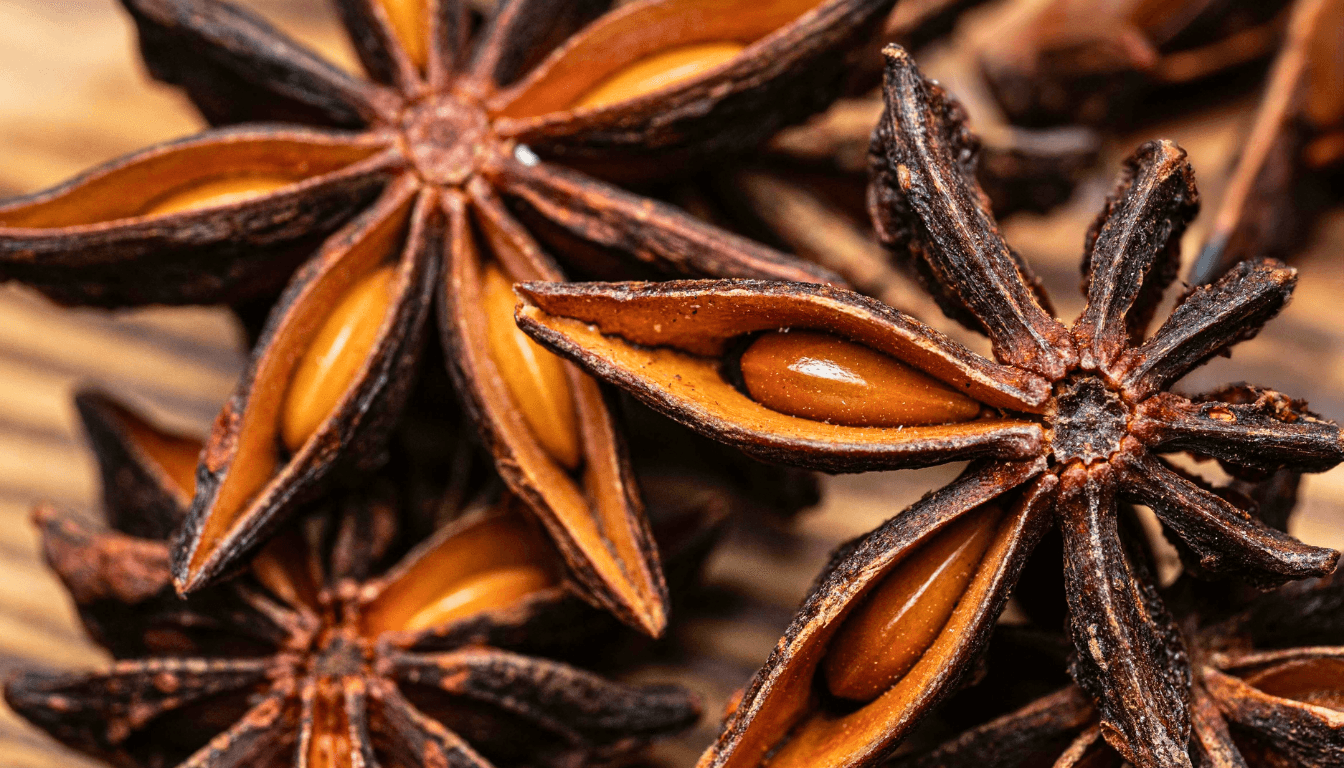
Star anise brings a liquorice-style sweetness.
It works best with dark roast coffee that has enough body to handle it. Break off a small piece and brew it with your grounds.
This one isn’t for everyone. But if you enjoy bold flavors, it’s worth trying at least once.
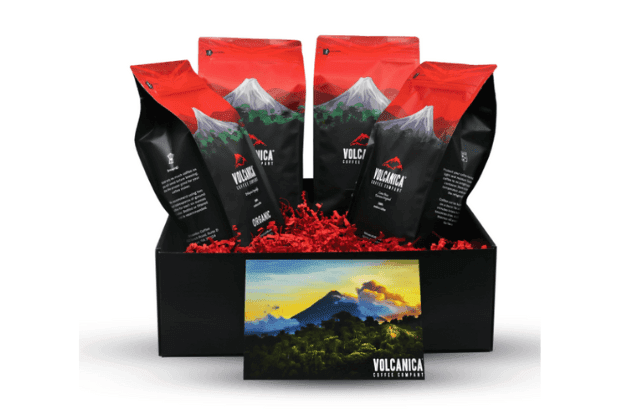
Volcanica Coffee Lover Gift Box
The perfect gift box for the average avid coffee drinker, this gift box includes the best-selling products all in one package. Explore the taste of favorite coffees from around the world from the comfort of home.
How To Add Flavor To Coffee Without Sugar
A lot of people want more flavor but less sugar.
You can absolutely create the perception of sweetness without adding actual sugar. Aroma plays a huge role in how we taste.
Vanilla

Vanilla is one of the simplest ways to make coffee taste sweeter.
Add one or two drops of pure vanilla extract to your brewed coffee. Not before brewing. After.
Your brain associates vanilla with sweetness, so even black coffee tastes smoother.
If you’ve got a vanilla bean, scrape a tiny bit into your grounds for a softer, more rounded effect.
Cocoa Nibs

Cocoa nibs deepen chocolate notes without adding sweetness.
Add about half a teaspoon to your beans before grinding and brew as usual.
The result is richer and more complex, especially with medium and dark roasts.
Unsweetened cocoa powder can work too, but mix it with a splash of hot water first to form a paste. Otherwise, you will find it clumped and sitting on top.
If someone asks me what to add to black coffee to make it taste better, cocoa nibs are near the top of the list.
Coconut

Unsweetened coconut milk adds body and subtle sweetness.
It works surprisingly well with light to medium roasts that have fruity notes. It smooths the cup without overpowering it.
Skip the sweetened versions. You want balance, not dessert.
Citrus Zest
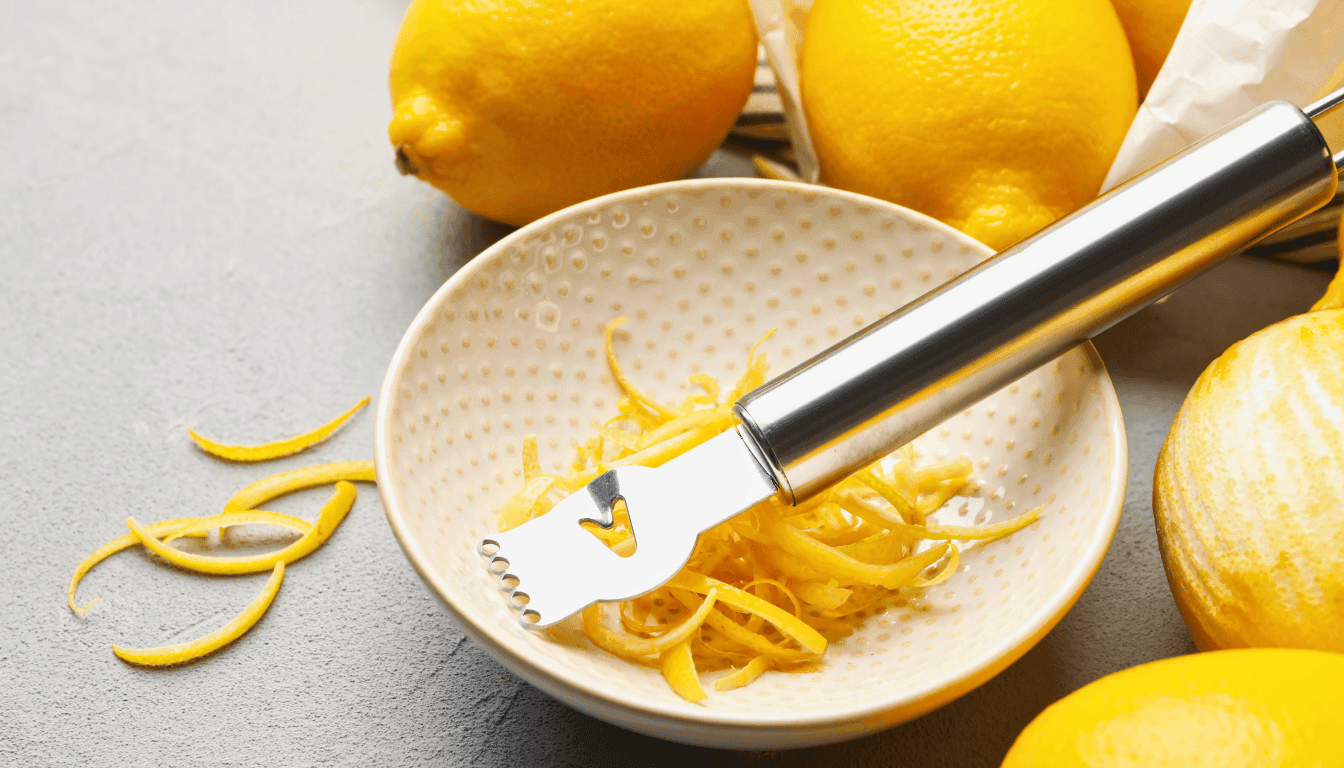
A small strip of orange or lemon zest brewed with your grounds can brighten the entire cup.
This works particularly well with lighter roasts that already have citrus acidity.
Just remember to keep it subtle. You’re aiming for lift, not fruit punch.



What To Add To Black Coffee To Make It Taste Better
If you drink your coffee black, you probably don’t want syrups or creamers.
You just want it smoother, richer, or more interesting.
A Pinch of Salt
hear me out. Salt reduces perceived bitterness.
If your black coffee tastes harsh, add a tiny pinch and stir. If you can taste salt, you’ve used too much.
Done correctly, it smooths rough edges without changing the overall flavor.
Butter or Ghee
Blending a small knob of unsalted butter into hot coffee adds body and richness.
I find it works best with darker roasts. The texture becomes fuller and rounder without sweetness.
It’s not something I would drink daily, but on colder mornings it can be surprisingly satisfying.
Egg Coffee
This sounds strange, but it has history behind it.
Whisked properly with hot coffee, egg can add creaminess and soften bitterness. If you try it, use fresh eggs and handle them safely.
It’s more of an experiment than a daily habit, but it shows just how flexible coffee can be.
Match Flavor To Roast Level
One mistake I see often is pairing delicate flavors with bold roasts or bold spices with light roasts.
Match intensity with intensity.
- Light roasts: Best with citrus zest, vanilla, or light floral notes.
- Medium roasts: Very flexible. Cinnamon, cocoa nibs, nutmeg, and cardamom shine here.
- Dark roasts: Go bold. Clove, star anise, butter, even peppermint can stand up to the heavier profile.
Why Your Flavored Coffee Still Tastes Off
If you’ve tried some of these and it still tastes wrong, here are the usual culprits.
You used too much. Spices are powerful. Always start smaller than you think.
You added after brewing when it should have been brewed in. Many spices work better infused with the grounds.
Your base coffee isn’t strong enough. Flavor additions need a solid foundation.
If something tastes overpowering, dilute with a splash of hot water or add a small amount of plain brewed coffee to rebalance it.
Coffee is forgiving. You can usually fix it.
My Go To Combos When I’m Bored
When I want something different without turning my coffee into dessert, I like to rotate through a few combinations.
- Cinnamon and cocoa nibs: A small pinch of cinnamon plus cocoa nibs in a medium roast tastes like dark chocolate cake without added sugar.
- Orange zest and light roast: A small strip brewed in lifts the cup and highlights natural acidity.
- Vanilla and a pinch of salt: This makes black coffee taste smoother and slightly sweet without any sugar at all.
None of these overpower the coffee. They just shift the flavor ever so slightly.


Final Thoughts
If you’re asking what can you add to coffee for flavor, the answer isn’t more syrups and artificial creamers.
It’s understanding balance.
Start small. Taste as you go. Match flavors to your roast. The goal isn’t to hide your coffee. It’s to enhance it.
When you take a sip and it still tastes like coffee, just more interesting, you’ve done it right.
And honestly, experimenting is half the fun.