All products are independently selected by our editors. If you buy something, we may earn an affiliate commission. Learn More >
Ask ten people if espresso is stronger than coffee, and you’ll probably get ten different answers. Some swear that one tiny shot of espresso will jolt you awake faster than a full mug of drip coffee.
Others argue the opposite, saying regular coffee packs in more caffeine overall.
So, which is it?
The confusion comes down to what we mean by stronger. Are we talking about caffeine levels per ounce, the total amount of caffeine in a cup, or simply the bold taste of espresso compared to drip coffee?
In this guide, I’ll walk you through the difference between espresso and regular coffee, how caffeine content really compares, and why one might feel stronger than the other in your daily brew.
Espresso vs Coffee – What Do We Mean by “Stronger”?
When people talk about coffee being “strong,” they’re usually mixing up a few different ideas. Strength can mean how concentrated the drink is, how much caffeine it has in total, or even just how bold it tastes.
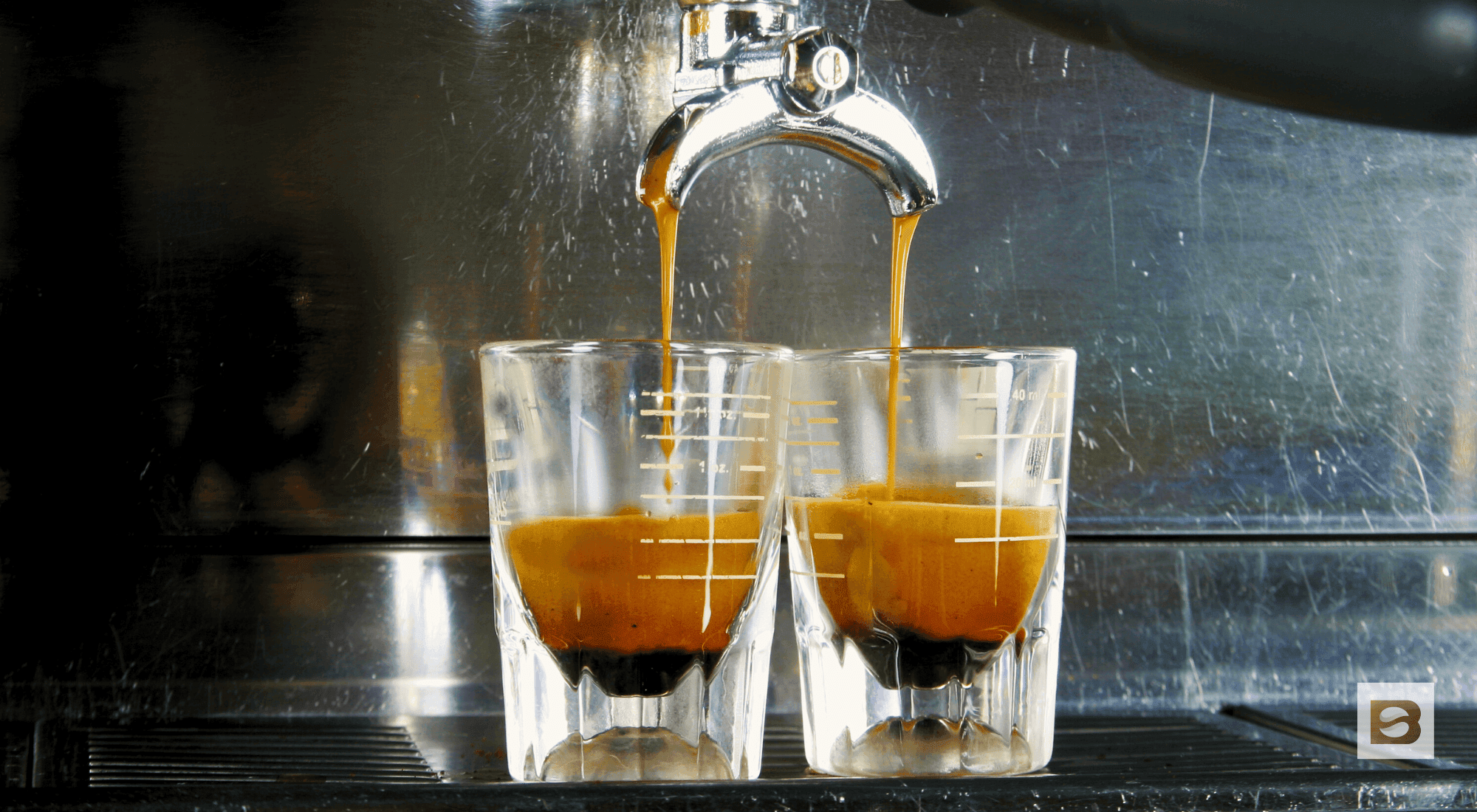
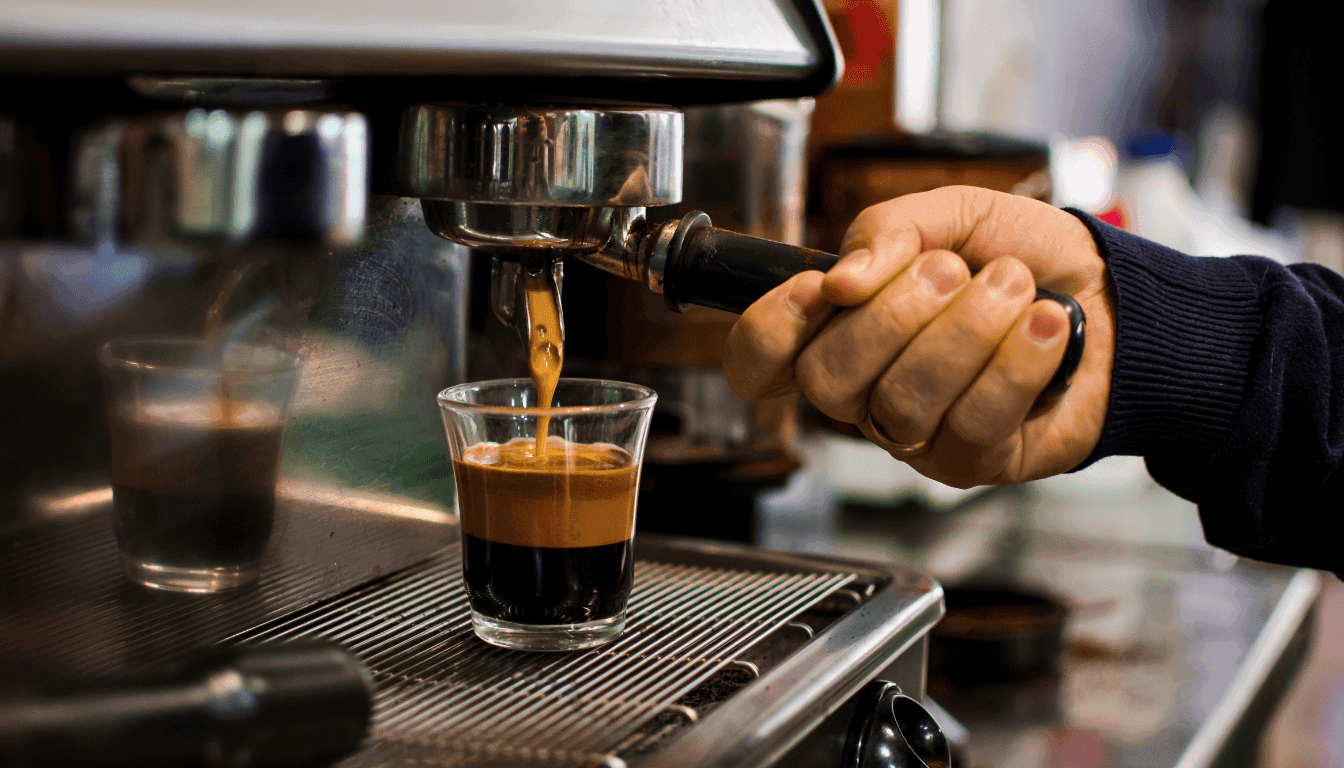
Espresso is a concentrated coffee brewed by forcing hot water at high pressure through finely ground coffee beans.
That process gives you an intense, full-bodied shot in about 25 seconds.
By volume, it has far more caffeine per ounce than regular drip coffee.
On the other hand, a standard cup of drip coffee is larger, usually around 8 ounces. While it doesn’t feel as intense as a single shot of espresso, the overall caffeine content in that full cup often ends up higher.
So when we compare espresso vs regular coffee, the answer to “which is stronger” really depends on whether you’re looking at caffeine concentration, total caffeine, or just the flavor in the cup.
Caffeine Content – Shot of Espresso vs Cup of Coffee
If you’re trying to figure out which brew will give you the bigger buzz, it helps to look at the actual caffeine numbers.
A single shot of espresso, about 1 ounce, usually contains around 63 milligrams of caffeine. That means espresso has a high caffeine concentration per ounce. Take a sip, and you’re getting a lot of caffeine in a very small package.
Now compare that to a typical 8-ounce cup of drip coffee.
That same mug averages about 95 milligrams of caffeine. On a per-ounce basis, drip coffee looks much weaker, but because you’re drinking a larger volume, you end up consuming more total caffeine in one serving.
Here’s how the numbers stack up:
| Beverage Type | Serving Size | Average Caffeine | Mg of Caffeine per Ounce |
|---|---|---|---|
| Espresso (single shot) | 1 oz | ~63 mg | ~63 mg/oz |
| Espresso (double shot) | 2 oz | ~126 mg | ~63 mg/oz |
| Drip coffee (regular cup) | 8 oz | ~95 mg | ~12 mg/oz |
This is where things get interesting. While a single shot of espresso doesn’t contain more caffeine than a standard cup of drip coffee, a double shot often does.
Many coffee drinks you order at a café, from lattes to cappuccinos, are made with a double shot as the base.
So, is espresso stronger?
Per ounce, absolutely. Per serving, it depends on what you’re drinking: a single shot, a double shot, or a full cup of drip coffee.
Why the Numbers Vary – Brewing Factors That Affect Caffeine
Those caffeine figures aren’t set in stone.
The actual amount in your cup of coffee or shot of espresso can shift quite a bit depending on how it’s brewed.
Type of coffee bean
Arabica beans, which most specialty shops use, naturally contain less caffeine than Robusta beans. If your espresso is made with Robusta-heavy blends, it’ll hit harder in terms of caffeine.
Roast level
Lighter roasts usually retain slightly more caffeine than dark roasts. That said, the difference is less dramatic than many people think. The roast mostly changes flavor, not the total kick.
Grind size
Espresso uses very finely ground coffee to expose more surface area, which helps extract caffeine quickly under pressure. Drip coffee uses a coarser grind, and the caffeine extraction happens more slowly over several minutes.
Brew time and method
Espresso is brewed in 20–30 seconds using an espresso machine that pushes hot water through the grounds at high pressure.
Drip coffee is brewed more slowly, with hot water filtering through the grounds over several minutes. Even though espresso has less brew time, the pressure and fine grind pull a lot of caffeine in a short burst.
Coffee-to-water ratio
Espresso is a concentrated coffee because it uses a small amount of water with a relatively large amount of finely ground coffee.
Drip coffee uses more water and more coffee grounds overall, which spreads out the caffeine into a bigger serving.
All of these factors mean the caffeine in espresso vs drip coffee isn’t an exact science. Your total caffeine content can vary from one brew to the next, even if the drinks look the same in your cup.



When Espresso Feels Stronger
Even when the caffeine numbers don’t back it up, espresso often feels stronger than regular coffee.
That’s because strength isn’t just about caffeine levels, it’s also about concentration, flavor, and how quickly you drink it.
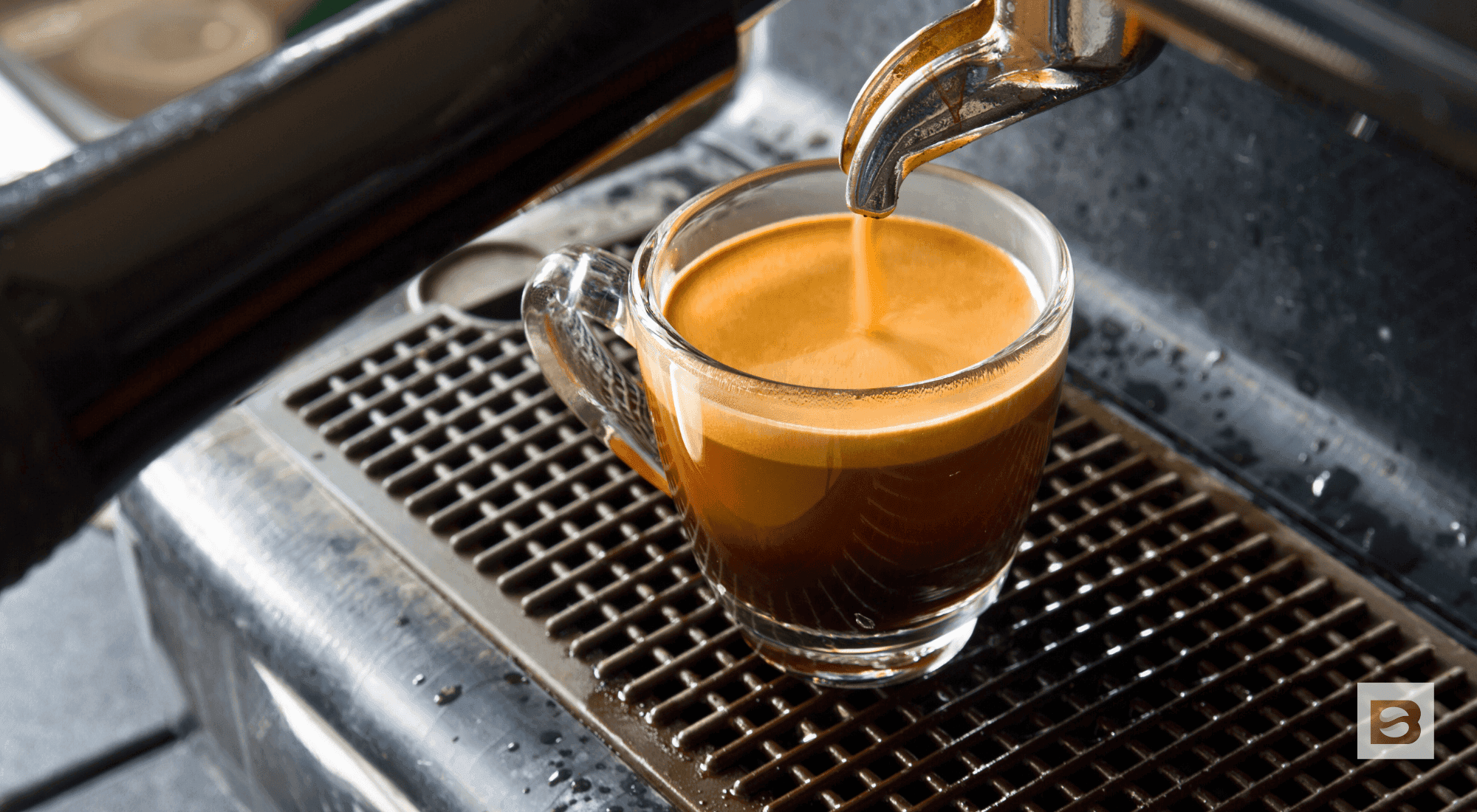
Concentration and flavor intensity: Espresso is a concentrated coffee. A shot has a syrupy body, thick crema on top, and a bold taste that hits your palate all at once.
That intensity tricks your brain into thinking you’re getting a bigger caffeine hit than you actually are.
Speed of drinking: Most people sip an espresso shot in a few gulps, while drip coffee is spread out over several minutes. Drinking caffeine quickly can make its effects feel stronger, even if the total caffeine isn’t higher.
Mouthfeel and perception: The rich body and bitter-sweet flavor of espresso give it a punch that drip coffee doesn’t match. Even without more caffeine, it comes across as more powerful because of its taste and texture.
Psychological factor: There’s also the ritual. Espresso is served in small cups, often in cafés, and the whole experience adds to its reputation as a strong, quick jolt of energy.
So while drip coffee often contains more total caffeine, espresso feels stronger because it’s concentrated, bold, and consumed fast.
So, Is Coffee Stronger Than Espresso?
When people ask this question – does espresso have more caffeine?– they usually want a simple yes or no. The reality isn’t that tidy.
If you measure per ounce, espresso is stronger. A single shot is packed with caffeine and flavor in a tiny serving, making it the most concentrated form of coffee.
If you look at per cup, regular drip coffee often wins. An 8-ounce mug brewed in a coffee maker typically has more total caffeine than a single espresso shot, even if it doesn’t taste or feel as intense.
Throw in a double shot of espresso, and things start to balance out. Many espresso-based drinks, like lattes or cappuccinos, already use a double shot, which puts their caffeine content close to or higher than a standard cup of drip coffee.
So, is coffee stronger than espresso? The answer depends on what you mean.
Espresso is stronger in concentration and flavor. Regular coffee is usually stronger in overall caffeine per cup.
Both espresso and coffee can give you a solid caffeine boost – it just comes down to how you like to brew and drink your coffee.
Practical Tips for Choosing Between Coffee and Espresso
Now that you know how espresso and drip coffee stack up, the best choice depends on what you’re after.
- If you want maximum caffeine in minimal volume, go for a double shot of espresso. It delivers a concentrated kick without the need to drink a full mug. Perfect for quick mornings or when you’re short on time.
- If you want a longer, steadier caffeine hit, stick with regular drip coffee. Sipping over a larger cup spreads out the caffeine intake, which can feel less intense but last longer.
- If you want control over strength, adjust the coffee-to-water ratio, grind size, and brew time when making drip coffee at home. You can make it taste and feel stronger without switching to espresso.
- If you want flavor variety, Espresso gives you bold intensity, while drip coffee brings out more subtle notes depending on the beans and brew method. Try both styles to see which one suits your taste buds best.
At the end of the day, neither is “better” or “stronger” across the board.
Both espresso and regular coffee have their place, and experimenting with different brews is the best way to discover what works for you.
Final Thoughts
So, is coffee stronger than espresso? It depends on how you measure it. Espresso contains more caffeine into every ounce and delivers a bold, concentrated punch.
Regular drip coffee, on the other hand, usually gives you more caffeine per serving thanks to its larger size.
In the end, strength isn’t just about caffeine levels – it’s also about flavor, concentration, and the way you enjoy your daily cup.
Whether you’re sipping a slow mug of drip coffee or knocking back a quick espresso shot, both can give you the boost you need.
The real answer is simple: drink the type of coffee that fits your taste, your routine, and the kind of kick you’re looking for.